

Three citizen-focused proposals targeting household incomes, struggling sports clubs, and how residents engage with public services won unanimous backing in Parliament yesterday.
The first urgent motion seeks to change how eligibility is calculated for the cost-of-living allowance so that periodic allowances and benefits are excluded from the gross salary figure.
MPs argue that counting these additions pushes some low-income earners just above the BD1,000 threshold on paper, even though their real take-home pay remains modest.
The proposal also calls for the immediate reinstatement of payments to citizens whose allowance was suspended for this reason.
MP Mohamed Al Olaiwi said: “A small technical allowance or periodic increment should not deprive a family of essential support,” he said. “We want eligibility to be based on net basic income after mandatory deductions, so assistance reaches those who truly need it.”
He added that the change would restore the spirit of the allowance as a social safety net during a period of rising living costs. “The calculation method must reflect reality, not inflate it,” he added.
The second proposal asks the government to include sports club facilities – particularly village clubs with limited income – within electricity subsidy categories. Currently, many are billed at commercial tariffs despite operating as non-profit community institutions.
Mr Al Olaiwi said clubs were being squeezed by mounting utility bills that divert scarce funds away from youth programmes and facility upkeep.
“These clubs are not businesses; they are lifelines for our youth,” he said. “When a club spends most of its budget on electricity, it cannot invest in coaches, maintenance, or age-group programmes.”
He noted that subsidising power costs would free resources for training, talent development and safer, better-maintained grounds.
“Supporting clubs’ electricity bills is, in reality, support for young people and community wellbeing,” he added.
The third urgent proposal shifts focus to governance, calling for a formal mechanism for periodic interactive meetings between government entities and citizens to discuss service issues and agree on practical solutions within clear timelines. It also suggests an electronic platform for complaints and suggestions, plus quarterly leadership-level reviews.
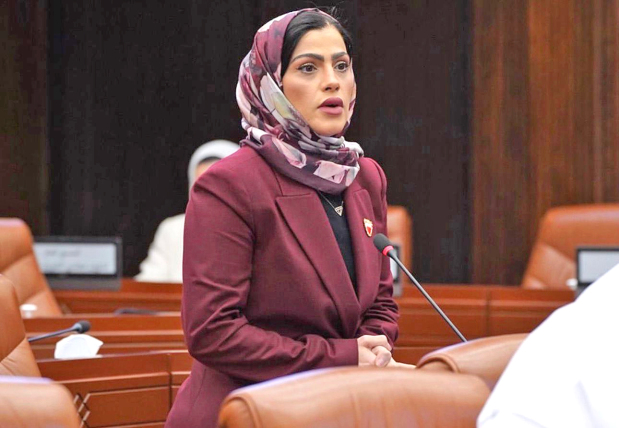
Strategic Thinking Bloc member MP Bassema Mubarak said the idea was to make communication structured, transparent and results-driven. “People often don’t know where to go with recurring service problems, and entities may work in silos,” she said. “Regular forums bring everyone to one table, shorten procedures and turn feedback into action.”
She added that publishing summaries of outcomes would strengthen transparency and accountability. “When citizens see follow-up and timelines, trust grows,” she believes. “This is participatory governance in practice.”
All three proposals were passed without argument.
&uuid=(email))