

In Bahrain, we are accustomed to the spectacle of avian life; from the rose-ringed parakeets that dart through the kingdom’s gardens to the migratory flamingos that winter in our mangroves.
Other countries are not so lucky ... but there is hope.
After a 200-year hiatus, the blue-and-yellow macaw is finally reclaiming its place in the Brazilian sky. A pioneering ‘refaunation’ project is successfully reintroducing these charismatic birds to Rio’s Tijuca national park, restoring a biological link severed long before the city became the sprawling metropolis it is today.
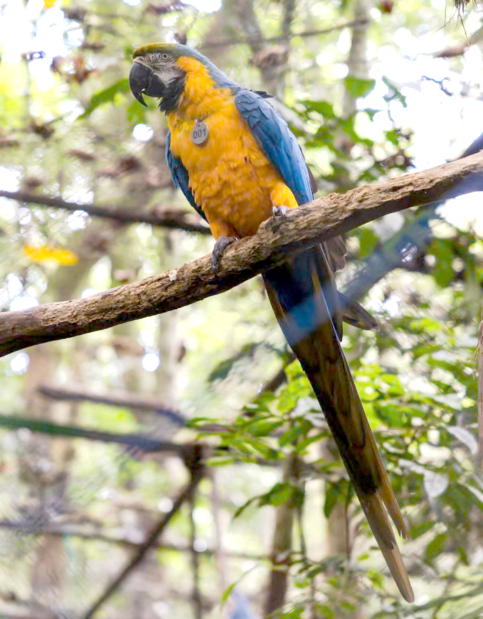
A blue-and-yellow macaw
While the image of the macaw is a staple of Rio’s identity – plastered across postcards, street art and football kits – the birds themselves had become ghosts of the past. Historical records indicate that the French explorer Jean de Léry noted an abundance of the giant parrots near indigenous tribes in the 16th century, but the last official record of a macaw in the city was made by the Austrian naturalist Johann Natterer in 1818.
The return of the species is a triumph for Refauna, a group of scientists dedicated to reintroducing lost species to Brazil’s Atlantic Forest.
Today, the forest canopy is once again punctuated by vibrant feathers as biologists work to breathe life back into the park.
“They are so magnificent. It’s no surprise that all the visitors are constantly asking how they can see them,” says Tijuca national park director Viviane Lasmar.
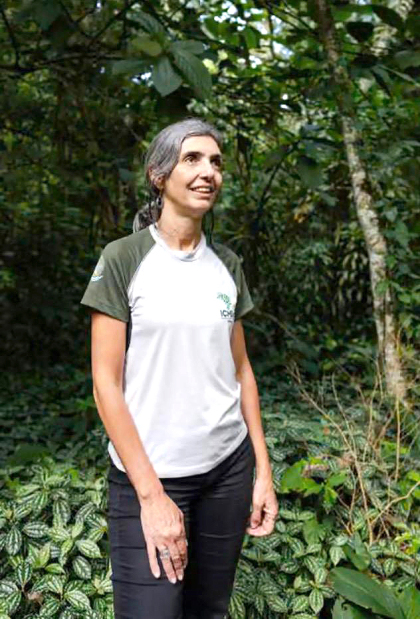
Ms Lasmar
The blue-and-yellow macaw (the scientific name Ara ararauna) is a remarkable creature, often reaching a metre in length.
Beyond their aesthetic appeal, they are famously social and highly intelligent, known to form lifelong bonds with their mates. The initial cohort – three females and one male named Fernanda, Fátima, Sueli and Selton – were all rescued from the clutches of the illegal wildlife trade.
Transitioning from a cage to the wild is no small feat, and the birds have undergone a rigorous ‘rehabilitation’ process designed to undo the damage of captivity, says the organisation.
Biologists spent months coaxing the birds to fly to rebuild atrophied muscles, while simultaneously retraining them to recognise and consume native fruits found within the park.
This ensures they can survive without human intervention, bolstered by sharpened instincts to navigate the various dangers of the Atlantic Forest. The long-term vision is ambitious, with plans to release up to 50 individuals over the next five years to establish a self-sustaining population.
Macaws are vital seed dispersers, meaning their presence is a catalyst for the regeneration of the entire forest.
“The macaw really is a symbol of our efforts to bring life back to Tijuca,” said Refauna biologist Marcelo Rheingantz. “My dream is that one day they will fly far away from here and we will be able to see them from all over the city.”
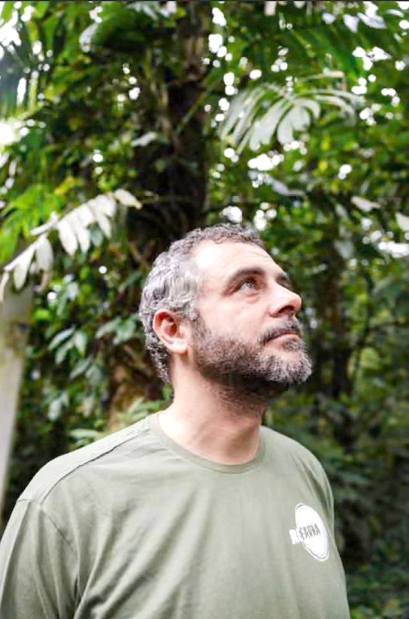
&uuid=(email))