

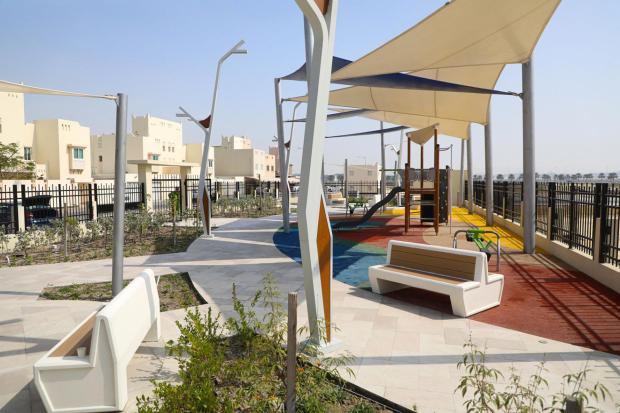
Smart systems, sensor timers and AI-powered equipment are being rolled out across public spaces in the Southern Governorate as part of an ongoing push to curb water and electricity consumption at monuments, parks and municipal markets.
The move, led through joint co-ordination between the Municipalities Affairs and Agriculture Ministry, the Electricity and Water Affairs Ministry and the Works Ministry, was outlined by Southern Municipality director-general Isa Al Buainain during the Southern Municipal Council meeting yesterday, which reviewed monthly utility costs.
Council members were told that average spending on utilities at these facilities stands at around BD20,000 per month – with the bulk of the cost attributed to water consumption.
Mr Al Buainain said conservation measures were already in place but acknowledged that rapid urban development continued to reset the scale of the challenge.
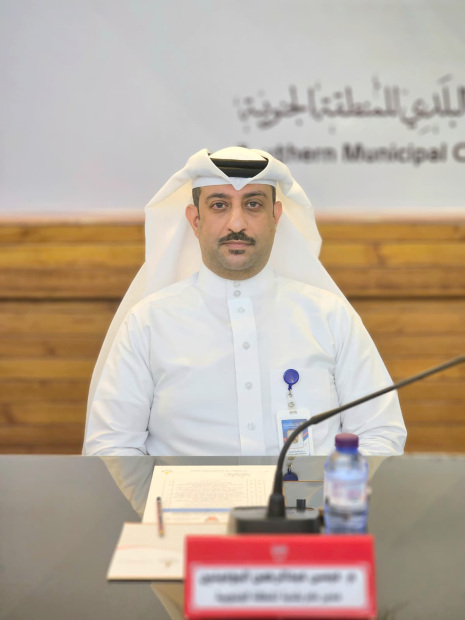
Mr Al Buainain
“Sensor timers, AI-powered machines and advanced equipment have been installed in partnership with the concerned ministries,” he said.
These systems have gone a long way in helping us control consumption. However, with extensive development projects, the challenge keeps resetting itself – every time we expand, new facilities are added and demand rises again.”
He explained that water usage, rather than electricity, placed the greatest strain on municipal utility bills, particularly water drawn directly from the main grid for irrigation and the maintenance of green spaces.
“The outstanding bills are mainly related to water, not electricity, as irrigation relies on water supplied from the main grid,” he said.
In a major shift, the municipality has begun partially connecting irrigation systems to treated water networks, reducing reliance on fresh potable supplies.
“Now we are partially connected to treated water for plant and grass irrigation and we are advancing,” Mr Al Buainain added.
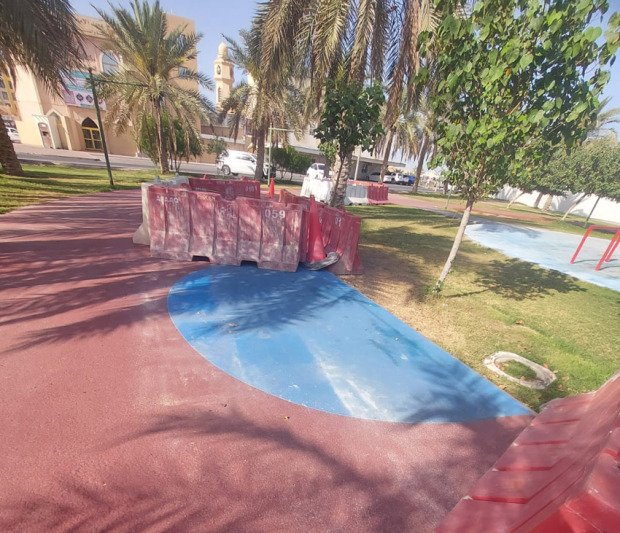
Marageeb Public Park in Isa Town
“It is not like we are saying that conservation isn’t a priority – it is. New technologies have been introduced and will continue being introduced.”
He noted that monuments, landscaped parks and municipal markets require continuous water supply for cleaning, irrigation and upkeep, making them among the highest municipal consumers of utilities.
The director-general said the integration of modern monitoring systems allows the municipality to track consumption patterns more accurately and detect wastage earlier than before.
Mr Al Buainain said the municipality remains committed to expanding the use of smart technologies and alternative water sources as part of a long-term sustainability plan.
“We are moving forward,” he said. “But with every new development, we must move even faster.”
Meanwhile, Southern Municipal Council chairman Abdulla Abdullatif said that while the steps taken were positive, they were not enough to tackle the scale of spending.
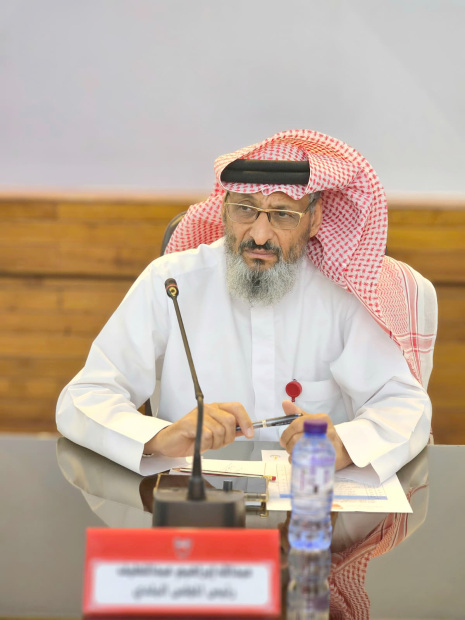
Mr Abdullatif
“What has been done is not enough,” he said, calling for quicker solutions and practical fixes to reduce the recurring costs.
He urged for accelerated implementation of treated water networks and tighter consumption controls to bring down monthly expenditure.
The discussion highlighted the growing pressure on municipalities to balance urban beautification, public services and environmental responsibility, particularly as new parks, monuments and public facilities continue to be developed across the governorate.
mohammed@gdnmedia.bh
&uuid=(email))