

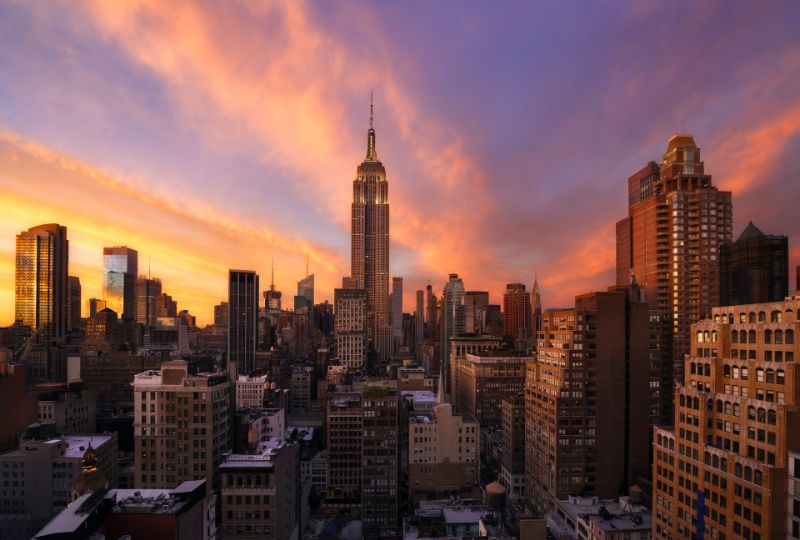
In the early 1990s, many New Yorkers learned that some of the city’s grandest stories had begun long before that decade. One story centres on a man who built his fortune in steel and then tried to leave a lasting mark on Manhattan. Charles M Schwab, known for his success in the steel business, decided to create what people called one of the most lavish private homes ever built in New York City. He wanted a mansion that would not simply be big but unforgettable.
Schwab’s mansion, which stood on Riverside Drive, was completed in 1906 and became famous for its dramatic design. The estate was inspired by French châteaux, famous for their castles and rich, decorative style. Instead of looking like an ordinary New York residence, the home resembled a grand European escape. Its size and appearance made it stand out even in a city filled with impressive buildings. The estate was unusually large for the time, spreading across an entire city block. This meant that the property included not only the main mansion but also carefully planned outdoor spaces.
Gardens were a major part of the estate. Schwab’s property was designed to look beautiful from every angle, with lush landscaping that helped the mansion feel both calm and grand. The home was filled with grand halls and opulent interiors. People who later wrote about the mansion described details that suggested its wealth and importance. The rooms were designed to impress guests, and the overall atmosphere was luxurious. In a city where space is always valuable, Schwab created an exceptional world of comfort, display, and power.
When the mansion was completed, it already faced changing ideas about urban life. Towards the 20th century, Manhattan began to shift towards a new style of living. Apartment buildings were rising, and more families were choosing life in shared buildings rather than private estates. Schwab’s Riverside Drive estate, with its full-block size and grand design, was designed for an older idea of wealth. It belonged to a time when the very rich could still imagine living in massive private homes in the heart of the city.
After Schwab’s death, the mansion’s future became uncertain. Although the estate was beautiful and impressive, it was also difficult to sell. The state, which was responsible for handling Schwab’s estate after his death, struggled to find buyers. Part of the problem was that the mansion was too large. Few people were willing or able to live in such large homes, especially when they had fewer domestic help and less need for them. Cost was another challenge. Maintaining such a property requires a significant investment. The expenses for upkeep, repairs, and staffing can be overwhelming, even for wealthy families.
There was also a question of timing. In the years after Schwab’s death, real estate trends moved in a different direction. Instead of huge single-family homes, Manhattan has increasingly been shaped by apartment towers and smaller private residences. The Riverside Drive estate, which once seemed perfect for its era, began to appear out of step with the market. It was not just a home. It was a project from a different time and did not fit well into the city’s new development pattern. This mismatch made it harder to place the mansion in a changing real estate economy.
Eventually, the Riverside Drive mansion was demolished in 1948. Demolition marked the moment the city stopped imagining that kind of private estate at that location. Many buildings rise and fall in New York, but the loss of this mansion carries a special meaning. This was not only the end of the structure. It also faded a symbol linked to Schwab himself. The steel businessman once built something intended to last, but in the end, the mansion could not survive long after his own era.
Today, the Riverside Drive estate is remembered mostly for its beauty and size. Its disappearance reminds people of how quickly cities and tastes can change. A home that once seemed perfect can become a burden as society shifts to meet new needs.
Schwab’s mansion was lavish, grand, and full of ambition. However, it was also too costly to maintain and too large for the new world of apartment living.
In this way, the mansion’s rise and fall reflect a larger story about Manhattan itself – how the city constantly reinvents what it wants, and what kind of luxury it can support.
In the end, both the mansion and the man became part of New York history, remembered not for the future they planned but for the past they left behind.
Dr Aloma Jayasundera
&uuid=(email))