

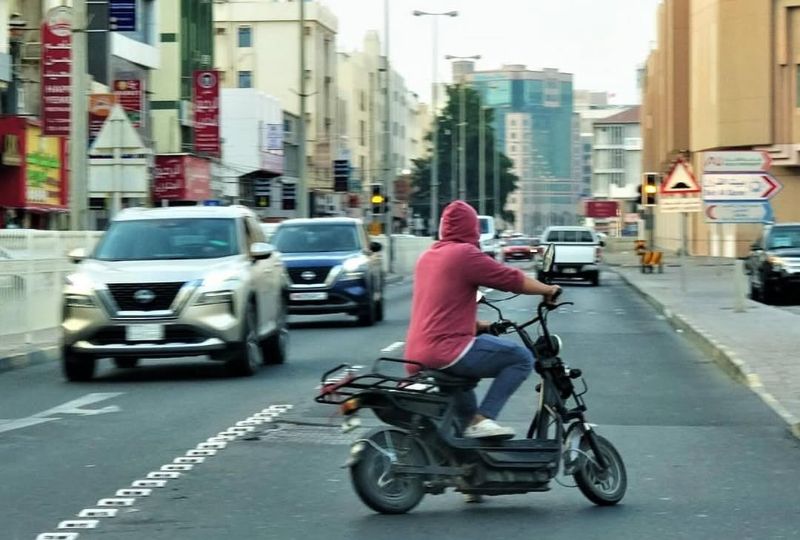
I welcome Bahrain’s new regulations for electric scooters, electric bicycles, off‑road buggies and similar vehicles. These modern modes of transport have become common across the kingdom, so clear rules are both timely and necessary.
In recent years e‑scooters and electric bikes have provided residents with affordable, convenient and environmentally friendly travel options. They are especially popular with young people and short‑distance commuters. But their rapid spread has brought confusion about where they may be used, who is responsible in accidents, and what safety standards should apply.
In many places pedestrians have been forced to share pavements with fast scooters, while reckless riding in parks and residential neighbourhoods has caused understandable concern among the public.
Bringing these vehicles under Bahrain’s Traffic Law closes an important legal gap. Official recognition and clear classifications will help authorities apply rules fairly and consistently, and will make it easier for users to understand their responsibilities. I particularly welcome the emphasis on operational and safety rules. Requirements such as helmets, speed limits, designated usage areas and accountability measures are essential if these vehicles are to coexist safely with pedestrians and motorists. Without such regulation, accidents and injuries were likely to increase.
Including off‑road motorcycles, all‑terrain vehicles and even children’s toy vehicles shows a comprehensive approach that reflects how people actually use these machines for transport and recreation.
These regulations also show Bahrain’s ability to adapt to changing technologies and lifestyles. Many countries continue to struggle with the legal and safety challenges posed by alternative mobility vehicles; Bahrain deserves credit for acting proactively rather than waiting for serious incidents to force action later.
By setting clear rules now, the government encourages safer behaviour while allowing innovation to continue.
Responsible regulation does not stifle progress; it creates a safer environment in which new ideas can thrive. I believe these measures will improve road discipline, protect families and pedestrians, and encourage more responsible use of alternative vehicles across the kingdom. I hope authorities will enforce the rules fairly and follow up with public education campaigns so that residents understand both the benefits and responsibilities that come with these new forms of transport.
Anand V K
&uuid=(email))