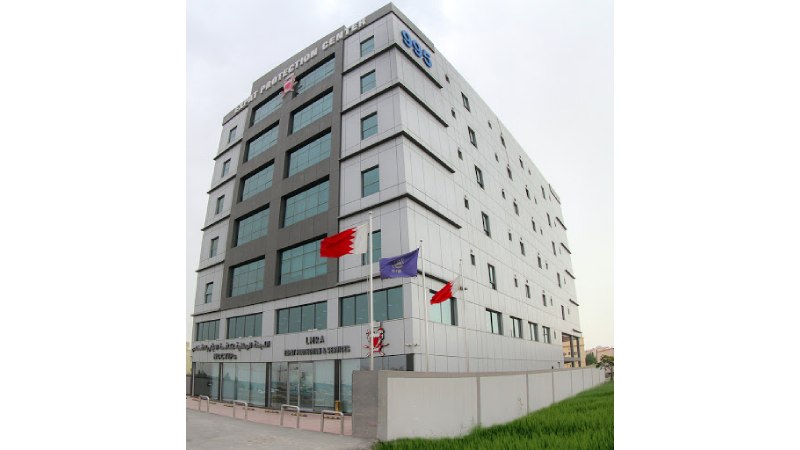
A new service that streamlines the issuance of manpower licences has been developed by the Labour Market Regulatory Authority (LMRA).
As part of the government’s ongoing efforts to improve public services, the authority announced yesterday that manpower licences will now be issued in two stages: initial approval followed by final issuance of the licence.
The digital service allows licensees to provide employment agency services, including matching suitable skilled workers with employers, facilitating employment contracts between the two parties, recruiting domestic workers, and supplying foreign workers to companies and institutions for specific positions, said the LMRA.
“The improved service has reduced processing time and the number of required documents, and cut the number of approvals needed by 25 per cent,” the LMRA said.
“This contributes to simplifying procedures, increasing service efficiency, and providing a more user-friendly and transparent experience for beneficiaries.”
LMRA deputy chief executive officer for services and business Ahmed Al Arabi said the service is part of its efforts to adopt innovative digital solutions that streamline procedures and improve user experience.
More than 1,300 government services have been documented, translated and published, with around 800 services undergoing development and re-engineering across various government sectors.
These improvements were based on suggestions and feedback received through the National Suggestions and Complaints System ‘Tawasul’, investor feedback, and mystery shopper reports evaluating government services.
The LMRA also urged the public to be vigilant when dealing with manpower agencies and to act in their own interest.
According to the updated list on the LMRA website, there are 120 approved manpower firms for expatriate and domestic worker employment registered.
Active permits for foreign workers reached 654,672 by the end of the fourth quarter of last year, representing a 1.8pc annual increase compared with 643,274 permits at the end of 2024.