

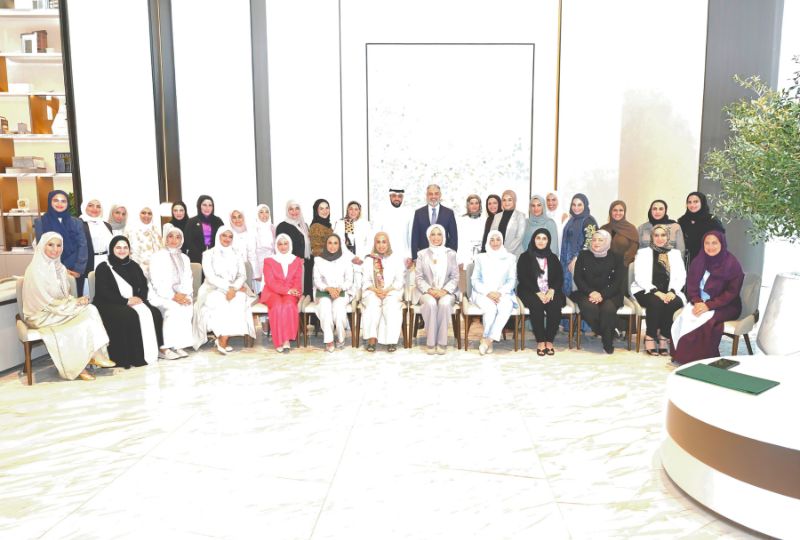
Kuwait Finance House–Bahrain has announced the successful graduation of the second cohort of its Women Leadership Programme, reflecting the bank’s ongoing commitment to developing national talent and fostering a corporate leadership culture based on competence, diversity and investment in human capital.
The second phase saw participation of 32 women leaders from various departments of the bank. Over the course of a month, they completed the specialised training programme designed to enhance their leadership skills, develop their collaborative and organisational capabilities, and cultivate a culture of innovation, following the success of the programme’s first cohort.
With the completion of the second phase of the Women Leadership Programme, the number of participants who successfully graduated has risen to 55 women leaders, representing approximately 60 per cent of the women holding management positions at the bank.
The programme achieved outstanding results, reflecting the positive impact of its training and practical content. The second cohort recorded a success rate of 4.9 out of 5, affirming the programme’s effectiveness in preparing leadership cadres capable of contributing to the bank’s objectives and enhancing its future readiness.
The programme is part of a comprehensive set of initiatives implemented by KFH-Bahrain to develop its national workforce and cultivate future leaders capable of keeping pace with the rapid changes in the banking sector. KFH–Bahrain continues to invest in professional and developmental programmes that enhance leadership readiness and establish a comprehensive corporate culture, in line with its vision of achieving sustainable growth and performance excellence.
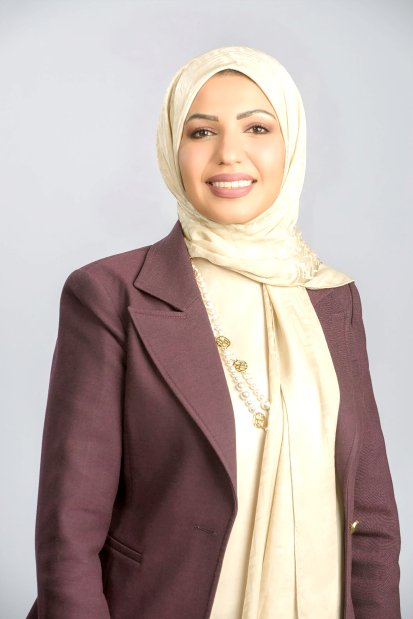
Ms Bukhamas
On this occasion, Group Head of Human Resources, Transformation, and Development at KFH–Bahrain Dana Bukhamas stated: “The success of the second cohort of the Women Leaders Programme represents a significant milestone in our efforts to build a strong leadership system based on competence and adaptability to future changes. The programme was designed to provide participants with a comprehensive development experience that combines knowledge, practical application, and the exchange of expertise, thereby enhancing their readiness to assume greater responsibilities and contribute effectively towards the bank’s objectives.”
She added: “We are proud of the outstanding level demonstrated by the participants throughout the programme and the positive results achieved in terms of leadership skills development and strengthened co-operation across different departments. The high demand for the programme and the success of its first two phases underscore the importance of continuing to invest in qualitative initiatives that support capacity building and foster a culture of continuous learning and development within the bank.”
She concluded: “We will continue to launch specialised development initiatives that meet the needs of the next phase and prepare qualified leaders equipped with the necessary skills and vision to support the bank’s progress and enhance its competitiveness. This stems from our belief that investing in human resources is the foundation of success and sustainability.”
Through these initiatives, KFH–Bahrain continues to implement its strategy to develop a work environment that fosters learning and professional growth by providing advanced training programmes and career development pathways that prepare qualified personnel capable of leading the bank and achieving its future aspirations.
&uuid=(email))