

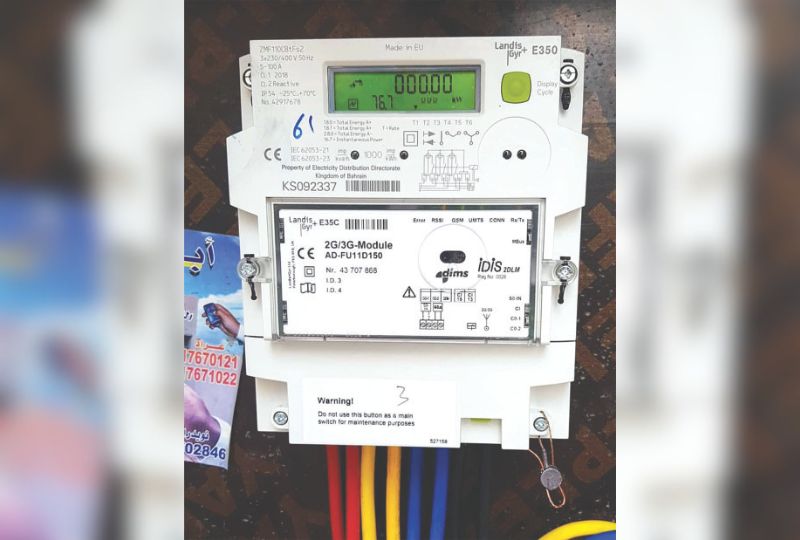
Authorities have been urged to investigate reports of government housing units receiving higher utility bills compared to private villas.
Southern Governorate Municipal Council member Hamad Al Zoubi, representing the ninth constituency, highlighted the complaints circulating across online and news platforms regarding the noticeable increase in electricity and water bills over the past few months.
“The differences in the bills issued to government homes compared with private villas are astonishing,” said Mr Al Zoubi.
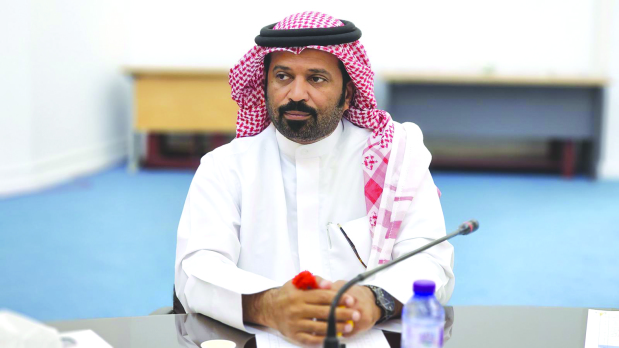
Mr Al Zoubi
“This disparity raises a fundamental and direct question for the relevant authorities: Are the service providers treating social housing units and private villas differently?
“This is particularly pertinent given the similarities in property sizes and consumption patterns.
“All of the air conditioning units in the homes are smart models, which are highly energy-efficient and designed to regulate consumption carefully, making such a significant difference something that requires a thorough explanation and detailed investigation.”
Reflecting his direct experience of residents’ difficulties, Mr Al Zoubi revealed that he had personally faced the same issue after an error was made in reading his home’s electricity meter.
“The reading was inaccurate and did not correspond with the actual consumption, resulting in an inflated bill,” he explained.
“I formally followed up on the issue until the meter was replaced, the fault was rectified and the readings returned to normal.
“I call on the Electricity and Water Authority (EWA) and the relevant bodies to strengthen monitoring and carry out regular inspections of meters.
“Additionally, they should investigate the reasons behind this unusual disparity between social and private housing to ensure fairness and ease the financial burden on citizens.”
The GDN reported in May that councillors renewed calls for reforms to ease rising utility bills for extended Bahraini families living under one roof.
Councillors said the issue is becoming increasingly widespread across Bahrain, particularly as married sons continue to live with their parents due to what they described as rising housing and living costs.
The proposal, submitted by Arad councillor Ahmed Al Meghawi, was prompted by complaints from a family in Arad where a father and his married sons live together in one property.
With all residents sharing a single electricity and water meter, their combined consumption places them in the higher third tariff tier, resulting in significantly increased bills that the family can no longer comfortably afford.
Last month, Parliament’s services committee acting chairman Abdulwahid Qarata argued that while the government’s recent decision to increase the third subsidised tier from 5,000 to 7,000 electricity units has provided relief, it has failed to address the realities faced by large households where several generations have been living together because of soaring housing costs and lengthy waiting lists for government homes.
&uuid=(email))