

MOROCCO’S consumer price index fell 0.6 per cent year on year in July, as a decline in food prices more than offset higher non-food costs, official data showed, reports the Arab News.
According to Morocco’s High Commission for Planning, food prices fell 3.7pc from a year earlier in July, while non-food prices increased 1.9pc. Within the non-food category, price changes ranged from a 0.2pc decline in communications costs to a 4.1pc increase in transport prices.
Morocco’s annual consumer price decline contrasted with inflation elsewhere across the Middle East and North Africa. Tunisia’s inflation rate stood at 5.1pc in July, while Egypt’s annual urban headline inflation reached 14.9pc.
Saudi Arabia’s consumer price index rose 1.8pc year on year during the month.
The latest inflation data come as Morocco’s economy is expected to maintain relatively strong growth in 2026. The World Bank forecasts real gross domestic product growth of 4.2pc this year, following an estimated 4.9pc expansion in 2025.
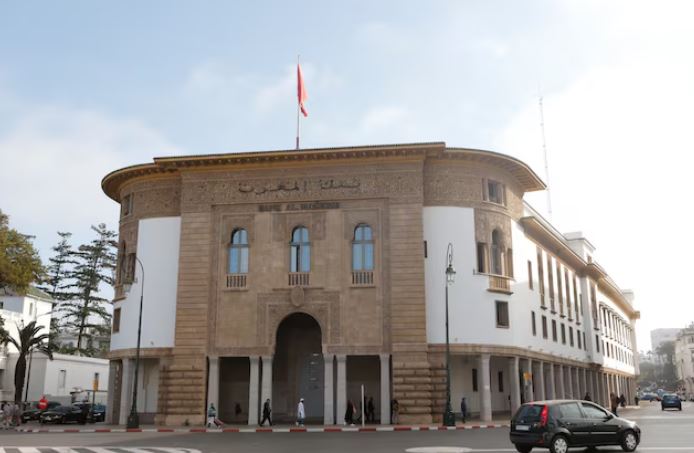
The low inflation environment also gives Bank Al Maghrib, Morocco’s central bank, room to maintain an accommodative monetary stance. The central bank expects inflation to average 1.5pc in 2026 and 2.1pc in 2027, while its benchmark interest rate currently stands at 2.25pc.
On a monthly basis, Morocco’s CPI fell 1pc in July compared with June, driven by a 1.9pc decline in food prices and a 0.3pc decrease in non-food prices.
“In contrast, prices increased by 0.3pc for mineral water, soft drinks, and fruit and vegetable juices, and by 0.2pc for coffee, tea, and cocoa,” HCP reported.
The monthly decline in food prices was led by vegetables, which fell 7.6pc, followed by fish and seafood, down 3.9pc and fruit, down 3.7pc, as well as meat, which was down 1.2pc; and milk, cheese, and eggs, down 0.3pc.
Among non-food products, the commission added, fuel prices recorded the largest decline, falling 4.9pc from the previous month.
Morocco’s underlying inflation indicator, which excludes products with volatile prices and those subject to regulated public tariffs, fell 0.1pc month on month in July and was also down 0.1pc year on year.
&uuid=(email))