

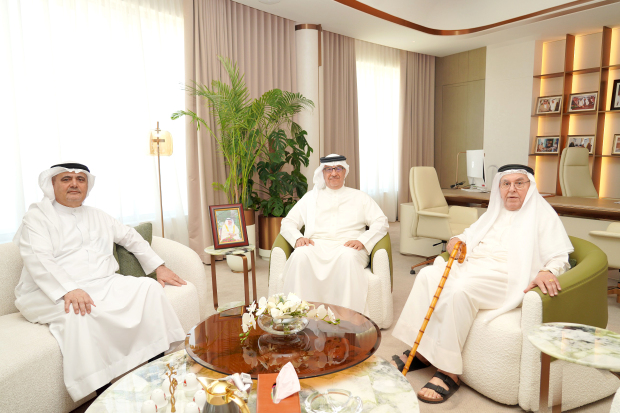
Bahrain’s economy has demonstrated its ability to navigate regional and global changes, underpinned by an open economy, a robust legislative environment, modern infrastructure and qualified national talent, Bahrain Chamber Chairman Nabeel Khalid Kanoo has affirmed.
In an exclusive interview with our sister paper Akhbar Al Khaleej, he stressed that the next phase requires continued investment in productivity, innovation and national competencies to strengthen the competitiveness of the economy.
“The Bahraini private sector has a high capacity to adapt, but the challenge today lies in responding swiftly to changes and preparing early for emerging opportunities and risks,” he said, stressing that companies best able to develop their businesses and enhance efficiency will be best positioned to compete.
He also noted that since its election, the chamber’s Board of Directors has begun reorganising its working mechanisms, including mainly the restructuring of sectoral committees. A total of 644 applicants sought membership of the committees, marking an increase of 84 per cent compared with the previous term.
“Two new committees have also been established for traditional markets and the pearl, gold and jewellery sector, alongside the launch of a field-visit programme covering markets and economic sectors,” Mr Kanoo said.
He affirmed that recent regional developments showed the importance of strengthening supply-chain preparedness by diversifying import sources and shipping routes, enhancing local production and expanding GCC co-operation. He stressed the need to move from responding to crises after they occur to preparing for them in advance.
Mr Kanoo explained that the trader is at the heart of the chamber’s work, while partnership with the government is fundamental to achieving its objectives and tangible impact is the true measure of achievement. He pointed to continued co-operation with government authorities to address issues of concern to the business community and turn views and proposals into practical solutions.
“Small and medium-sized enterprises remain a top priority for the chamber, as they represent the broadest base of the private sector,” he said, adding that a specialised department had been established to support and develop SMEs, enhance the services provided to them and enable them to access new opportunities and markets.
Mr Kanoo identified three key priorities for the private sector in the coming years: raising productivity, strengthening export capacity and investing in national competencies. He stressed that investing in people remains the foundation for successful digital transformation and the effective use of artificial intelligence.
Mr Kanoo expressed confidence in the future of the Bahraini economy, stressing that continued development and innovation, together with early preparedness for changes, will strengthen the private sector’s ability to lead change and contribute to building a more diversified and sustainable economy.
&uuid=(email))