

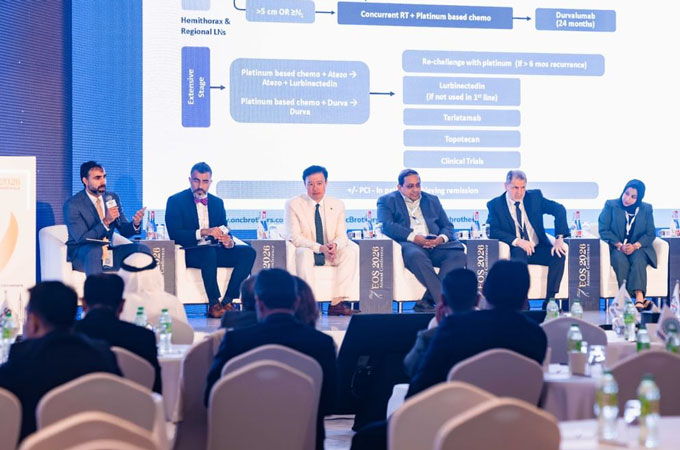
The 7th Annual Emirates Oncology Society Conference has recommended expanding the use of artificial intelligence to predict cancer treatment outcomes, advancing the use of immunotherapy in patients with advanced-stage cancers.
The conference, which concluded on October 4 in Dubai after two days of scientific sessions, workshops and specialised discussions, suggested accelerating developments in personalised cancer medicine through the identification of genetic mutations and the selection of treatments tailored to the molecular characteristics of each tumour, an Emirates News Agency (WAM) report said.
The conference brought together a distinguished group of oncology experts, physicians and specialists from the UAE and abroad to discuss the latest scientific developments and clinical practices in cancer diagnosis and treatment, while facilitating the exchange of expertise on modern therapies, precision oncology and integrated cancer care.
Specialised scientific platform
The conference served as a specialised scientific platform for discussing the rapidly evolving landscape of oncology, particularly in the areas of targeted therapies, immunotherapy and precision oncology. It also highlighted the latest scientific evidence supporting the selection of treatment plans based on the biological and molecular characteristics of each tumor, reinforcing the shift toward more personalised approaches to cancer care.
The scientific programme addressed a broad spectrum of cancers, including breast, lung, liver, gastrointestinal and ovarian cancers, through specialised sessions, lectures and workshops that reviewed the latest therapeutic advances and key challenges encountered by physicians in clinical practice.
The final day featured an extensive focus on lung cancer, with experts discussing personalised treatment approaches for non-small cell lung cancer associated with EGFR mutations, the latest advances in small cell lung cancer, and strategies for managing a number of less common genetic alterations, including ROS1, HER2 and NTRK. Discussions also highlighted the importance of molecular testing in identifying the most appropriate treatment options for each patient.
Gastrointestinal cancers
Sessions dedicated to gastrointestinal cancers examined the latest developments in the treatment of metastatic colorectal cancer, pancreatic cancer, cholangiocarcinoma and locally advanced rectal cancer, as well as cancers of the esophagus, gastroesophageal junction and stomach. Experts also reviewed recent advances in therapeutic strategies and their role in improving clinical outcomes.
As part of the liver cancer programme, a specialised session focused on advances in immunotherapy for hepatocellular carcinoma, reviewing the long-term outcomes of modern therapies, as well as emerging treatment options and future directions in the management of the disease.
The conference also featured presentations of scientific abstracts and research, alongside a dedicated session on precision oncology. In addition, workshops addressed the treatment of advanced ovarian cancer and therapeutic strategies for EGFR-mutated lung cancer, providing participants with opportunities to discuss clinical cases and practices and exchange expertise on translating the latest scientific evidence into everyday clinical practice.
Discussions extended beyond advances in medicines and therapeutic technologies, with the conference also highlighting palliative care and quality of life. Participants emphasised the importance of providing comprehensive care that addresses the physical, psychological and social needs of adult and pediatric cancer patients and their families, recognising these elements as an integral part of the cancer care continuum.—TradeArabia News Service
&uuid=(email))