

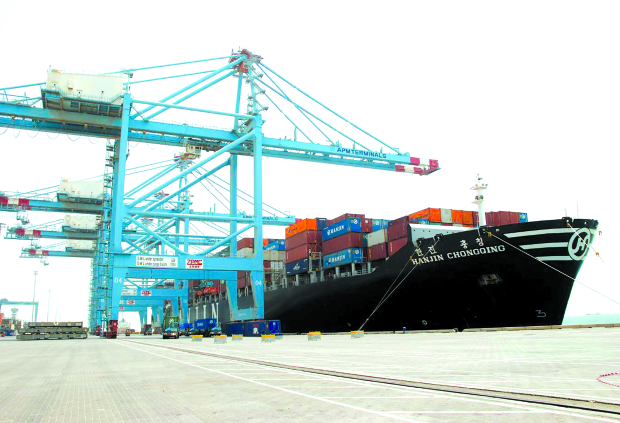
MANAMA: Bahrain’s first liquified natural gas (LNG) terminal, due for commissioning in 2019, has been called a “game-changer” by Arab Petroleum Investments Corporation (Apicorp).
Wholly-owned by the member states of the Organisation of Arab Petroleum Exporting Countries (OAPEC) including Bahrain, Apicorp is a regional multilateral development bank and has analysed the project in the June issue of its Monthly Energy Commentary.
The 4.1 billion cubic metres per year (bcma) facility is a microcosm of the shifting trends in gas demand-supply dynamics, particularly in the Middle East demonstrating the region’s commitment to tackle energy security at a time when supplies are struggling to keep pace with growing demand, said the report by Apicorp’s newly-established Energy Research Department.
The company developing the terminal – Bahrain LNG – is owned 30 per cent by The Oil and Gas Holding Company (nogaholding), 30pc by Teekay LNG Partners, 16pc by Samsung C&T and 24pc by the Gulf Investment Corporation.
Consisting of a floating storage unit (FSU), the terminal offers the kingdom the flexibility to cater to seasonal demand and the option to re-export to regional demand centres.
Bahrain LNG is to be developed on a public private partnership (PPP) basis, including a combination of equity and debt through a consortium of regional and international banks, representing a shift away from traditional government funding methods.
According to Apicorp, the decision to develop the project on a PPP basis has enabled Bahrain LNG to utilise the expertise of the private sector and secure the financing needed to carry out the project.
“The permanent LNG import terminal currently under construction within the industrial area of the Khalifa Bin Salman Port exemplifies the shifting trends in gas demand-supply dynamics in the Middle East,” said Apicorp research analyst Mustafa Ansari.
“First and foremost, the project demonstrates the region’s commitment to tackle energy security at a time when supplies are struggling to keep pace with growing demand.”
According to Apicorp, by 2019 Bahrain may experience a gas deficit of around 1.9bcm.
“Once operational, the unique configuration of the terminal opens up the possibility for the country transform into a regional gas distribution hub – processing several billion cubic metres a year, importing from a variety of countries and positioned to service large demand centres such as Saudi Arabia,” said Mr Ansari.
With an estimated total development and finance cost of approximately $990 million, the LNG import terminal is also considered a new hallmark for Mena financing, assesses Apicorp.
“Thanks to being conceived as a PPP, the required financing for the capital-intensive project could be secured through a syndicate of nine international and regional banks at a low debt to equity ratio, indicating a conservative approach and low risk,” he added.
The syndicate participating in the $741m loan includes Apicorp with Korea Trade Insurance Corporation (K-Sure) providing commercial and political risk cover for approximately 80pc of financing.
This reduces the burden on government budgets and allows funds to be allocated to other sectors of the economy.
avinash@gdn.com.bh
&uuid=(email))