

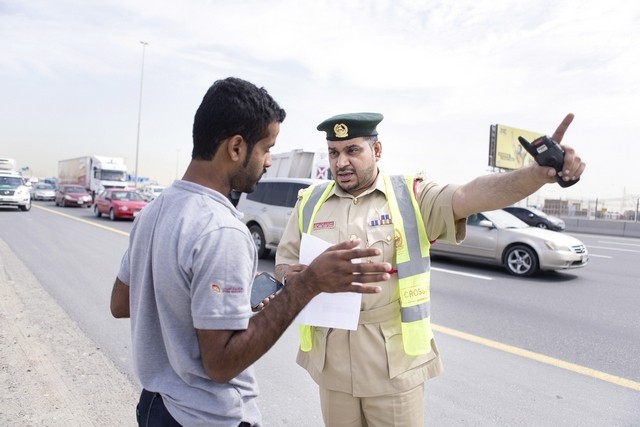
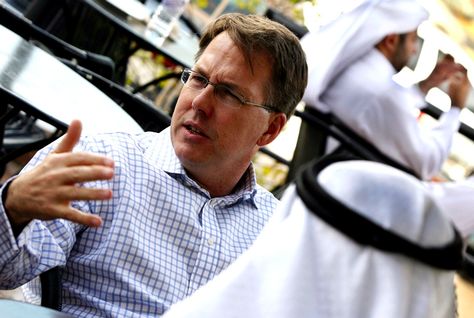
(Image credit: The National)
Expatriates living or visiting countries in the Middle East, who do not understand Arabic, may face a communication problem with the locals.
One may find oneself in a situation with the need for some Arabic. So it will be helpful if expatriates learn a few phrases that may come in handy.
There are as many Arabic dialects as countries where Arabic is spoken.
Levantine Arabic, spoken in Lebanon and Syria, tends to be quite sing-song, Egyptian Arabic is a bit slang-driven, and Gulf Arabic is much more guttural.
Yalla - 'Let’s go!'; khalas (pronounced halas), meaning 'done'; and Insha’Allah - 'If Allah wills it', which is a valid answer to anything from 'Could you come over for dinner?' to 'Could you fix my toilet this week?', are the most commonly used words.
The same is true for mafi mushkila, which means 'no problem'. If you hear this, you are safe to assume there is a BIG problem.
Some other Arabic terms that are often thrown into everyday English are habibi (when addressing a man) and habibti (when addressing a woman): men use this with each other all the time!
English-speaking Arabs may also pepper their language with yanni, meaning 'you know'.
We have compiled a list of Arabic phrases that can help you when in need.
Click next to read the commonly used Arabic phrases in the Middle East



&uuid=(email))