

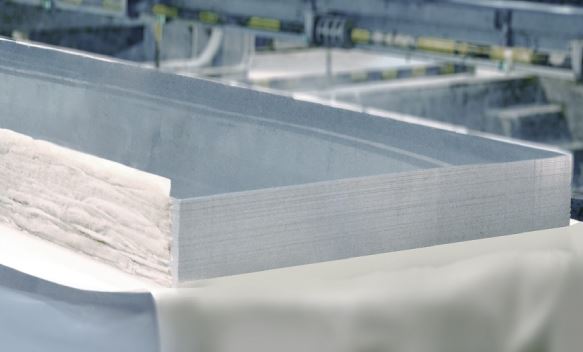
MANAMA: Bahrain-based Gulf Aluminium Rolling Mill Company (Garmco), one of the largest downstream aluminium facilities in the Middle East, has asserted that the impact of US duties on its exports is much lower than was initially anticipated.
The US Department of Commerce announced last Tuesday that it would levy countervailing duty (CVD) of 6.44 per cent and anti-dumping duty (AD) of 4.83pc on common alloy aluminium sheet (CAAS) from Bahrain following an investigation that lasted almost a year.
For these determinations to be effective, the US International Trade Commission (ITC), an independent body, will conduct its own investigations into whether the US industry is being injured by such imports and will give its final determination by April 15 this year.
Mohamed Rafea, chief restructuring officer of Garmco, told the GDN that although he was expecting a negative determination, he is not entirely dissatisfied with the outcome.
He said the original alleged dumping margin was a staggering 58.45pc for Bahrain and added that the lower rates determined by the US will help the producer of flat rolled aluminium products to boost its exports to the US.
On behalf of the chairman and the board of directors, Garmco’s executive management has thanked the leadership of Bahrain, as well as Industry, Commerce and Tourism Minister Zayed Alzayani for their unwavering guidance and support throughout the investigation.
The company’s management expressed confidence that the aluminium rolling mill will remain a vital US trade partner that will facilitate the boosting of Bahrain’s business relations with the United States.
In March 2020, the US Department of Commerce had announced the initiation of new AD and CVD investigations in response to the petitions filed by the Aluminium Association Common Alloy Aluminium Sheet Trade Enforcement Working Group, to determine whether CAAS from 18 countries, including Bahrain, is being sold in the US at less than fair value, and to determine whether producers are receiving unfair subsidies in their home countries.
US businesses have alleged that there are 12 subsidy programmes in Bahrain, including preferential loan and interest rates, income tax and other direct subsidies, grants, equity infusions, the provision of land, primary aluminium, natural gas, and electricity for less than adequate remuneration.
In 2019, US imports of common alloy aluminium sheet from Bahrain were valued at approximately $241.2 million.
avinash@gdn.com.bh
&uuid=(email))