

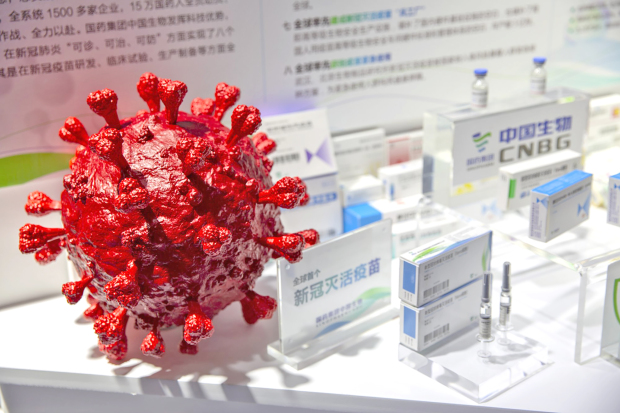
AS many as seven clinical trials related to the coronavirus are currently underway in Bahrain, underscoring the kingdom’s efforts to combat the spread of Covid-19.
More than 60 per cent of the requests for clinical trials in the country last year were related to Covid-19, according to the annual report of the National Health Regulatory Authority (NHRA) for 2020.
The trials include the phase three clinical trials of the Chinese Sinopharm vaccine which was successfully conducted on 7,700 volunteers as well as the plasma therapy. The trials were conducted in partnership with China National Biotec Group and Abu Dhabi-based artificial intelligence and cloud computing company Group 42.
Reviewed
According to the NHRA report, its clinical trial department received and reviewed 11 applications, of which eight were from the government and three from the private sector. Of these seven were approved, two rejected and two are pending.
“The majority of the clinical trial requests submitted to the NHRA – 64 per cent (seven) – were in the field of infectious disease and pulmonology diseases,” said the report.
“These trials were all related to Covid-19, either therapeutic trials and/or Covid-19 vaccine trials.
“The clinical trials committee gave emergency approval of Covid-19 Vaccine Inactivated SARS-CoV-2 vaccine (Vero cell) provided by Sinopharm, Beijing Institute of Biological Products Company.
“This was the first clinical trial implemented on a vaccine in Bahrain.”
NHRA chief executive Dr Maryam Al Jalahma said that this reflected Bahrain’s enhanced efforts alongside other countries in developing treatments for the virus that has gripped the world.
“The most important is the vaccine trial done in Bahrain which led to accepting the Sinopharm vaccine for emergency use in the country,” she told the GDN.
“All the others (clinical trial requests) were related to Covid-19 treatments,” added Dr Al Jalahma.
“This puts Bahrain in line with other countries participating in the enhancement of new treatment for Covid-19, such as the plasma therapy.”
The GDN reported last year that Bahrain had completed a clinical trial of plasma therapy on 40 patients, with the results being analysed by experts.
Launched in April last year, the treatment entails taking antibody-rich plasma donated by recovered patients and injecting it into current patients.
Also among five other Covid-19 related trials are the treatment experience of Covid-19 patients in local hospitals, a random comparison of treatment of Covid-19 patients using drugs Favipiravir and hydroxychloroquine and a pilot study on the efficacy of 5-Aminolevulinic Acid Phosphate (5-ALA-P) plus Sodium Ferrous Citrate (SFC), a food supplement known for its antiviral qualities.
The remaining four trial requests last year included two in endocrinology and diabetology and one each in obstetrics and gynaecology and blood diseases.
The number of trials went up almost 175pc last year compared with the year before, when the NHRA received four applications for clinical trials with half of them from the government sector. They were in the fields of diabetology, haematology, respiratory disease and obstetrics and gynaecology.
In 2018, the authority received 12 applications for clinical trials, including seven from the government – three were related to orthopaedic treatments, while others included treatments for blood disorders, oncology, hypertension, erectile dysfunction and obesity.
Meanwhile, the department also registered some achievements which included re-review and updating the clinical trials regulations in Bahrain, the standards and requirements for independent research ethics committee involved in clinical trials, and those involving stem cells regulations.
The department also formulated a bioethics committee for all healthcare facilities and universities.
raji@gdn.com.bh
&uuid=(email))