

BAHRAIN will offer attractive opportunities for investors in healthcare sector with the GCC projected to spend $105 billion in medical field next year, said a top Bahrain analyst.
The kingdom’s strategic location as a gateway to the $1.5 trillion GCC market and the wider $3.7trn Mena market and its excellent investment climate will give it ‘an upper edge’ over other countries, said Bahrain Economic Development Board (EDB) Investment Origination executive director Ali Al Mudaifa.
“Bahrain’s market size and strategic location at the heart of the GCC makes it the perfect place for healthcare services to launch and expand to the regional market,” said Mr Al Mudaifa.
He was speaking at the 2021 Bahrain-Korea Medical Partnership webinar hosted yesterday by the Korean Embassy in Bahrain.
Health regulators and experts in medical and economic fields from both countries took part.
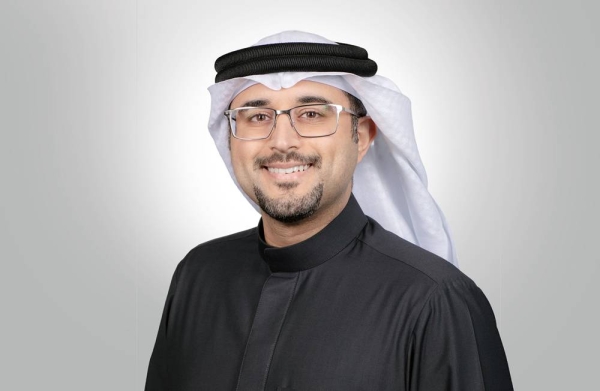
Mr Al Mudaifa
“Several trends in GCC underline the projected growth in healthcare sector – rapidly expanding population, favourable demographics, diversified delivery models, introduction of mandatory health insurance, emerging middle class healthcare consumption, rising chronic lifestyle diseases and government spending on infrastructure,” explained Mr Al Mudaifa.
“These have experienced a compound annual growth rate of 14.6 per cent from 2015 to 2020 with a total GCC healthcare expenditure projected to reach $104.6bn in 2022.
“The steady rise in the number of patients has also contributed to the surge in demand.
“Currently the capacity stands at 1.9 beds per 1,000 people and in light of the anticipated rise in the number of patients, the region is expected to require 12,358 new hospital beds by 2022.”
He highlighted Bahrain’s key attractions, especially the low cost of doing business.
“Bahrain has a zero per cent corporate tax environment, with 100pc foreign ownership being permitted. Most importantly companies can benefit from up to 43pc lower operating costs compared to the rest of the GCC,” he said.
“All these incentives are prevalent and applicable countrywide, as we have no free zone restrictions.
“Secondly, the human capital talent is strongly represented in both the public and private sector and across all vital segments of the economy.
“Finally, the imminent implementation of the National Health Insurance Programme Sehati, which is expected to be rolled out in two phases for expats and citizens.
“This project should encourage the growth of the private sector within the healthcare space.”
Mr Mudaifa highlighted the timely relevance of healthcare and medicine as the world is trying to “acclimatise, adapt and mitigate” the impact of the pandemic.
“Bahrain is ideally positioned as a gateway to the wider $3.7trn Mena market, which is home to a 440m consumer catchment area representing 4pc of the world’s GDP.
“Bahrain’s King Fahad Causeway also provides the fastest and most efficient access point to 75pc of the Saudi market, within a 24-hour lead time.
“Bahrain is part of numerous agreements – 22 free trade deals, 34 in investment protection and promotion and 43 double taxation avoidance agreements.
“It is one of only four countries in the Middle East to have an agreement with the US – and all of these give a competitive edge in the market. Manufacturers operating in Bahrain will also be eligible for duty-free sanctions on all imports of raw materials, equipment and machinery from anywhere in the world.”
He also underlined Bahrain’s economic diversification strategy aimed at reducing reliance on oil and gas.
“Nineteen years ago, oil and gas contributed 42pc to the GDP compared with 17.8pc today – which shows the prominence that other vital sectors continue to play,” he said.
The EDB will act as an interface for Korean investors by providing information and support, he said.
“We ensure that it will not only be an investment, but also encourage scalability and growth.”
raji@gdn.com.bh
&uuid=(email))