

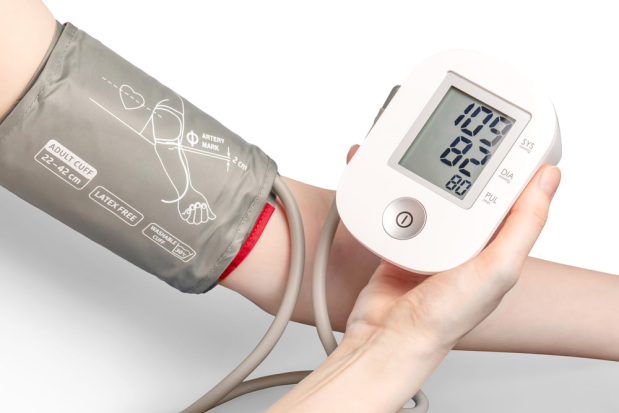
MEDICAL device dealers could lose their licences if they fail to comply with strict mandates set by the country’s health regulators, it has emerged.
The National Health Regulatory Authority (NHRA) has set a timeline as part of Bahrain’s ambitious strategy to wipe out counterfeit equipment in its healthcare sector.
The six-year strategy (2020-2026) is based on two key regulations that govern the import and sale of devices in Bahrain – one which was set earlier this year focusing on services related to medical devices and another dated early last year dealing with its quality control.
The detailed timeline was presented by NHRA engineering safety adviser Nada Ghassan Alsayegh at a recent virtual GCC MedTech Summit hosted by Bahrain.
It focused on medical device and technology regulation, registration, market access and compliance in the Gulf region.
By December next year all medical device dealers in Bahrain must register their authorised representative (AR) with the NHRA – failing which they will lose the permission to operate in the country.
And, by 2025, all healthcare facilities in Bahrain must obtain permits to use medical devices that are registered under the NHRA, adhering to its phase-wise guidelines. Following on, by February 2026, all medical devices must be registered at the NHRA for use or sale in the country.
“As per the 2021 resolution, the four main services – medical device registration, facility registration, device import and other services – will be charged, we have imposed fees on these services,” said Ms Alsayegh.
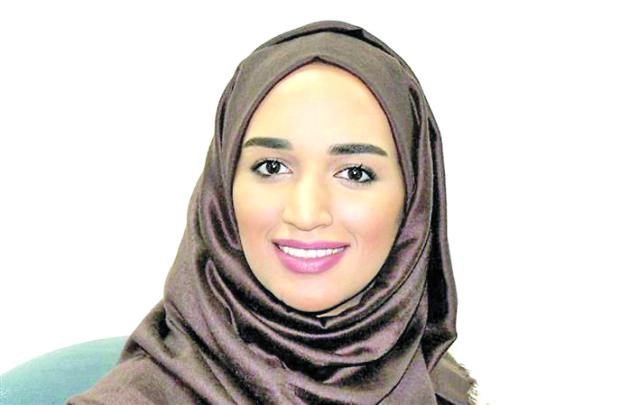
Ms Alsayegh
“The resolution also focuses on marketing licences, export and import, communication, withdrawal of devices from the market, shelf life and use of the equipment.”
The various areas focusing on the two resolutions conclude with post market surveillance, which Ms Alsayegh believes, will play a key role in patient safety.
“Medical devices with corrective safety action or recall must be reported according to the timeline set by the NHRA,” she said. “Failure to comply is tantamount to putting patient safety at risk.
“Legal action may lead to serious consequences, including licence cancellation, or more.”
NHRA chief executive Dr Maryam Al Jalahma told the GDN that Bahrain had endorsed medical device regulatory measures as early as 2016 and improved it over the years to stand in line with international, regional and GCC standards.
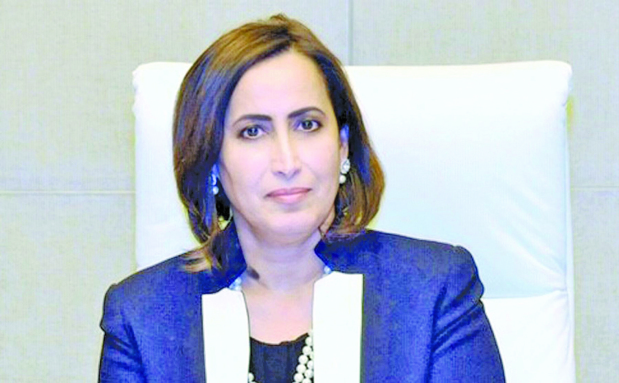
Dr Al Jalahma
“Prior to 2016, when we conducted inspections, we came across many devices with no proper documentation or those with no clear origin records – we even came across devices that were reported as counterfeits by original manufacturers,” she said.
“We are glad that Bahrain today has all the regulations in place as stipulated by the relevant international, regional and GCC agencies. We took three measures – first, to register companies and issue licences to import devices and have qualified staff to handle the equipment.
“Second, companies were asked to submit a full dossier of their imports so that the future process will be easier.
“Finally, we ensured that all firms secure approval before importing new devices into the country.
“With a clear strategy in place, and a stipulated timeline, we will be able to regulate the sector further and ensure no counterfeit devices enter our country.”
The GDN reported that Bahrain imported medical devices worth around BD45 million last year, which was an increase from BD30m in 2019.
raji@gdn.com.bh
&uuid=(email))