


TEACHERS are being trained to identify their students’ often crushing mental health challenges such as anxiety and depression brought on or exacerbated by the pandemic.
A five-day virtual forum – Training the Trainers – is underway after the Health Ministry adopted an ‘evidence-based’ package developed by the World Health Organisation’s Eastern Mediterranean Regional Office (EMRO) team.
The ‘School Health Programme’ is being delivered through sessions to 25 individuals who work with children – including teachers, administrators and nurses.
It was inaugurated by Health Ministry public health assistant under-secretary Dr Maryam Al Hajeri, alongside WHO Bahrain representative Dr Tasneem Atatreh.
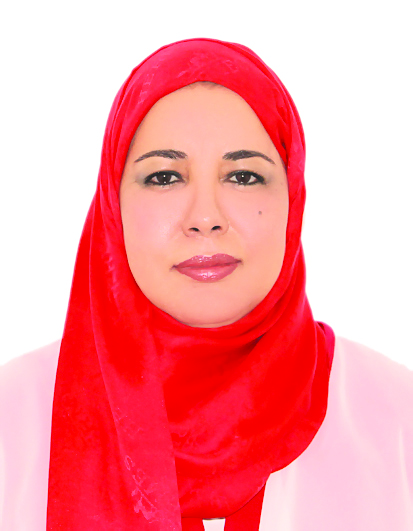
Dr Al Hajeri
“The workshop has been based on recommendations of Education Minister Dr Majid Al Nuaimi to promote mental health in schools, and primarily targets counsellors,” said Dr Al Hajeri.
“It will address social and psychological health, enhance behavioural skills for child development and identify warning signs of mental illness to provide appropriate interventions.”
The GDN earlier reported about helpline volunteers voicing concerns over a growing number of teenagers feeling suicidal as Covid-19 lured them into a world of anxiety.
“School health is an important and urgent issue that is on the list of national priorities,” Dr Al Hajeri said.
According to her, thousands of male and female students in Bahrain’s public and private schools face cultural, economic, health, educational and social challenges.
“Environmental conditions play a major role which could lead to many psychological, behavioural and learning disorders. It needs to be diagnosed and treated at the earliest as it can negatively impact students’ achievements, performance and development,” she said.
“Good health in schools is an investment for the future.
“Individuals, families, society and the country will have to pay a heavy price if health of young children and adolescents fails.”
The workshop comes in line with Mental Illness Awareness Week marked in the US from October 3-9 while the world marks Mental Health Day on October 10. Evidence suggests that about 50pc of all mental disorders in adults begin before the age of 14.
Meanwhile, Dr Atatreh revealed that the WHO Eastern Mediterranean Regional Office team came up with ‘the evidence-based and evidence-supported’ mental health package for schools after consultations with international and regional experts and stakeholders.
“This aims at early detection and treatment of common mental disorders among schoolchildren,” she said.
“The package was updated to address mental health in the context of the pandemic, which has brought significant changes to daily life, including working and learning remotely, and limited interaction with family and friends – all of these have an impact on mental health.”
She added that the WHO along with its partners, seeks to provide guidance and advice to address mental health and ensure well-being.
“The School Mental Health Package emphasises strategies that can be implemented at a low cost and scale, incorporating core principles of task shifting and targeting of the non-specialised mental health workforce.
“Alignment, implementation and evaluation have also been developed to serve as a basis for expanding the scope of mental health and health programmes in member countries,” Dr Atatreh added.
raji@gdn.com.bh
&uuid=(email))