

WOMEN and girls in the country have been urged to speak up if they are facing any kind of abuse.
Bahrain Women’s Union president Ahlam Rajeb also sought tougher legislation to criminalise acts of violence against women.
Ms Rajeb was speaking to the GDN alongside other women advocates in Bahrain as the world marks International Day for Elimination of Violence against Women today.
“We call for an end to violence against women and we seek to include an article in the domestic violence law to criminalise the perpetrators of abuse,” said Ms Rajeb.
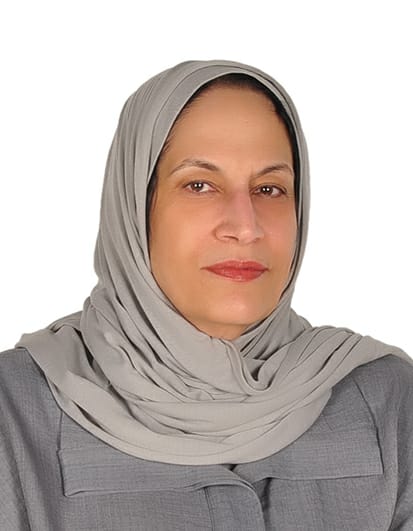
Ms Rajeb
“We call on women and girls not to accept violence in all its forms and to speak up, we urge them to announce it and seek help.”
The United Nations (UN) has been organising an annual campaign against gender violence since 1991. The ‘16 days of global activism against gender-based violence’ drive starts today and will run until December 10. This year the event is themed “Orange the world: End violence against women now!”
According to the UN, nearly one in three women have been abused in their lifetime with numbers rising amidst crises like the pandemic, conflicts and climate disasters.
Unionist and Fairway Project co-ordinator Suad Mohammed said laws to tackle abuse were not sufficient. “The Covid-19 pandemic has resulted in women shouldering more roles and responsibilities,” she said.
“Their economic situation is also a concern as many women have fragile jobs that have been greatly affected by lockdowns and Covid-19 restrictions.
“Migrant women suffered as they found it difficult to return to their country. Most of them worked under pressure, especially domestic workers.
“Adding to their stress is the fact that laws to tackle violence against women are not sufficient.”
Migrant Workers Protection Society member Hana Buhijji emphasised her concerns about ‘domestic workers’ who were among the most vulnerable sections of the population.
“Female domestic workers live far from their families. Their working conditions are not subject to inspection or regulation, leaving them to their employers’ mercy.
“Let’s ensure that this population is safe. Let’s raise awareness on the rights of domestic workers to a dignified life, free from all kinds of physical, verbal and sexual abuse.”
Domestic workers form around six per cent of the total workforce in Bahrain and approximately 25pc of the total expatriate workers population in the Gulf.
Afkarech Female Network and Think Tank is soon hosting an event to help victims facing domestic and psychological abuse to ‘speak out’.
“The event aims to provide a safe space for them and give them access to anonymous counselling,” said founder-president Mariam Alammadi.

Ms Alammadi
“On behalf of all women, we believe when we stand together against domestic violence, it’s a stand for humanity.”
Shamsaha founder Mary-Justin Todd said violence against women had substantial ‘direct and indirect costs’ to both survivors and their families as well as the greater economy.
“I am proud that in Bahrain we have solutions and programmes to tackle domestic violence – and Shamsaha’s free and confidential services for women are part of these solutions,” she said.
A new report from UN Women, based on data from 13 countries since the pandemic, shows that two in three women reported that they, or a woman they know, experienced some form of violence and are more likely to face food insecurity. Only one in 10 women said they would go to police for help.
raji@gdn.com.bh
&uuid=(email))