

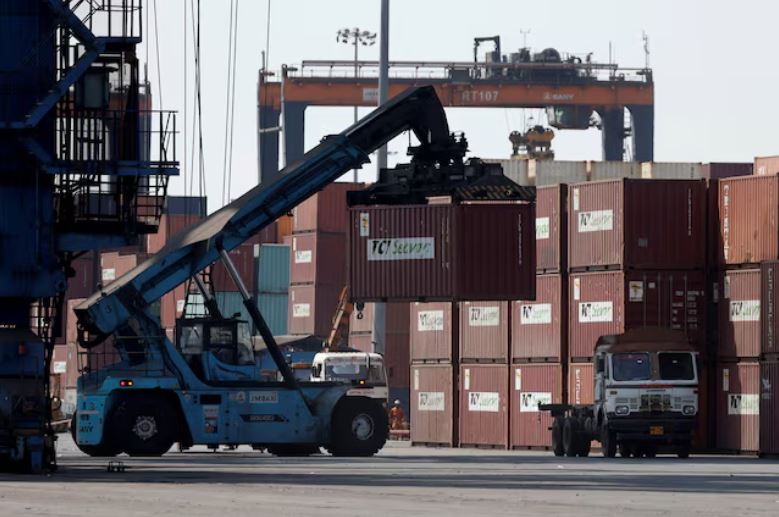
India will allow factories in export-focused zones to sell goods domestically at lower import duties, according to a government order, as conflict in the Middle East disrupts trade.
The measure was announced in the February budget to shield exporters from higher US tariffs, but analysts say it has gained urgency as the Iran war threatens energy supplies and pushes up freight and oil costs.
The relief applies to factories in Special Economic Zones (SEZs), which are primarily set up for exports and allow companies to import raw materials duty free.
Under the order, SEZ businesses can sell a capped share of products including chemicals, engineering goods, heavy machinery, textiles, footwear, pharmaceuticals, electronics and consumer items in the domestic market while paying reduced customs duties, instead of the full import tax applied to foreign goods.
The reduced duties vary by product, with customs rates of about 5 per cent to 12.5pc, rather than the higher levies applied to comparable imports, the order showed.
The relief will apply from April 1, 2026 to March 31, 2027 and will be available to businesses that began production on or before March 31, 2025.
The policy will help Indian exporters navigate rising tariff barriers, geopolitical uncertainty and supply chain disruptions as the Middle East conflict disrupts key trade routes, said Krishan Arora, a partner at consultancy Grant Thornton LLP.
“It will also allow domestic industry to tap unused SEZ capacity and reduce reliance on imports that are becoming costlier and more delayed,” said Arora.
&uuid=(email))