

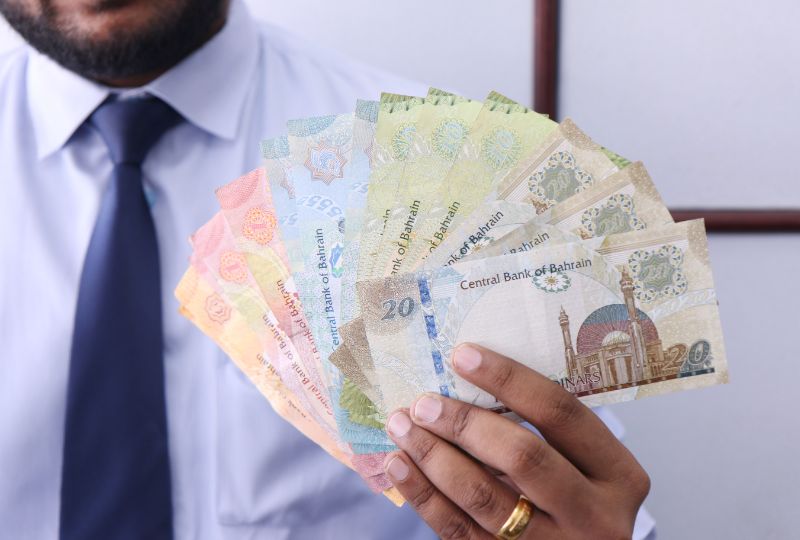
Foreign remittances must be taxed.
It has just been revealed that foreign labour in Bahrain remitted home around BHD752 million in the first nine months of this year according to Central Bank of Bahrain figures.
This ‘frightening’ amount was 6.3 per cent more than the BD709m remitted during the same period the previous year.
I have said it before and I will do so again – such remittances have to have some kind of tax and, in doing so, there will be no violation of the law.
Everyone knows a majority of expatriate workers spend just a fraction of their earnings in Bahrain and this is their right. But what is clear is that amount rightfully be circulated in Bahrain because foreigners have the moral duty to contribute to a nation that gives them a lot in terms of logistical and health services, transportation, facilities and job opportunities, etc. It can, of course, be argued that the sponsor bears all such fees and taxes for expatriate workers.
In the recent past, global oil prices have increased and that’s a positive sign which requires continuing efforts at economic diversification and promoting initiatives that support an increase in contributions of non-oil sectors to the gross domestic product. This will help overcome the public budget deficit and debt levels, which is one of the main objectives of the fiscal balance programme.
The government decision to apply a five per cent value added tax from January 1, 2019 on most goods and services, later increasing it to 10pc from January last year, has also helped.
Bahrain’s real GDP growth has reached an annual 5.7pc in the second quarter of last year and the real non-oil growth was 7.8pc in the second quarter. There is also a plan to adjust operating expenses, which will allow a balanced budget by 2024.
Our prayers for the success of the government’s endeavours in its ambitious plan for economic recovery and the achievement of the desired goals.
Zuhair A Tawfiqi
&uuid=(email))