

BAHRAIN joins other nations in marking World No Tobacco Day today, by reiterating its mission to encourage smokers to ‘Stub it out’ and encourage a healthy lifestyle.
The World Health Organisation (WHO) is celebrating the annual day under the slogan, ‘Let’s grow food, not tobacco’.
It has stressed that tobacco cultivation harms the health of farmers and the health of the planet, urging countries to support farmers in the transition to more sustainable crops that improve food security and nutrition.
Several events and activities have been organised in Bahrain to mark the day, according to the Health Ministry.
“Bahrain is among the 182 countries which are signatories to the WHO Framework Convention on Tobacco Control (WHO FCTC), which the kingdom acceded to in 2007,” said the ministry.
“Several steps have been taken to reduce tobacco use, besides conducting research on the consumption rates in the kingdom.”
Globally, tobacco kills more than eight million people each year, with 7m deaths directly attributed to the use of tobacco while around 1.2m people succumb to second-hand smoke.
More than 80 per cent of the world’s 1.3 billion tobacco users live in low- and middle-income countries.
The legal smoking age in Bahrain is 18; however, campaigners and medics continue to express concern about minors getting addicted to the habit.
Smoking cessation clinics are being operated in several hospitals and at numerous locations.
The American Mission Hospital’s Anti-Smoking Clinic head Dr Babu Ramachandran said it was important to continue with programmes on increase awareness about the harmful effects of smoking.
“I have personally seen cases of lung cancer, bronchitis and other chronic diseases in patients due to heavy smoking, and in some cases they didn’t make it.
“The only way to quit smoking is by going cold turkey; those who don’t have the will power can use nicotine patch or other therapies.”
Smoking has proven to be a key factor in chronic diseases such as heart disease, vascular stiffness and high blood pressure.
It increases the incidence of diabetes and many types of cancers, as well as negatively impacts fertility in both women and men and raises the risk of reproductive and pregnancy problems in women who smoke such as abortion, premature birth, ectopic pregnancy, and other complications.
Second-hand tobacco smoke can also cause some of the above conditions.
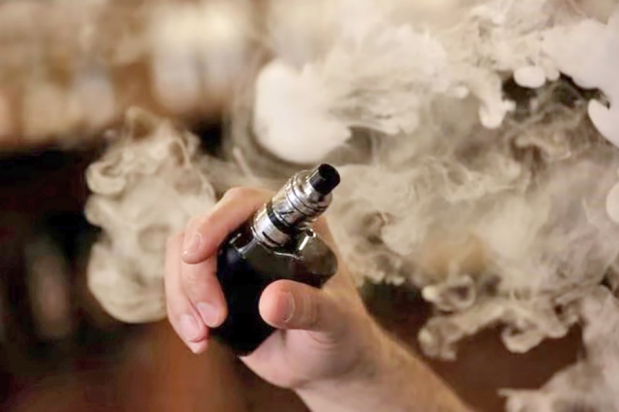
Meanwhile, Dr Ramachandran said a not-so-lesser evil was vaping.
“It’s not cool in any way and vapers who think it’s an alternative to smoking are hugely mistaken,” he warned.
“The liquids used are harmful and carcinogenic with adverse long-term effects. The devices used to make vape clouds are toxic and impacts your health over time.”
The general practitioner said there were two types of smokers in Bahrain, apart from those smoking traditional cigarettes: those who vape and smoke, and those who vape, smoke and enjoy flavoured sheeshas.
He added that though withdrawal symptoms were inevitable, they could be controlled in eight weeks.
“Another method which I speak to my patients about is to follow the Ramadan routine when they smoke only in the evenings.
“They can start with this routine for a few months, besides visiting smoking cessation clinics.”
Several programmes are also being run in public and private schools to educate students on the harmful effects of smoking.
For example, the Interior Ministry’s Anti Violence and Addiction Programme, or Ma’an (Together), that covers primary, intermediate and secondary students in more than 200 public schools, conducted a field study to gather data on the use of tobacco and other substances among the youth.
“We have developed lessons to educate youth in schools about the harmful effects of using tobacco and other substances,” said Ma’an programme director Ali Ameeni.
“These lessons help identify smoking through modern methods and alternatives including e-cigarettes and vapes, and how to deal with situations if they were offered to smoke by a friend.”
Since 2013, tobacco companies have been required to display graphic warnings about the dangers of smoking on all cigarette packets in the GCC, including images showing the deterioration of organs and the harmful effects on unborn babies.
Another measure introduced in 2018 was a 100pc ‘sin tax’ on tobacco products and energy drinks, in addition to the 10pc Value Added Tax.
The ‘sin tax’ aims to encourage citizens to opt for healthy products, reduce the consumption of harmful goods, enhance social awareness and alleviate the financial burden resulting from treatment of serious diseases.
sandy@gdnmedia.bh
&uuid=(email))