

TELEMEDICINE could be separately regulated under a new standalone law currently being reviewed by the Shura Council.
Anyone operating without a licence, or violating the new set of rules, disciplines or procedures, could face punishments of up to BD1,000.
Fines could also be doubled if investigated complaints proved medical negligence, concealment, a refusal to take concerns seriously or managerial carelessness.
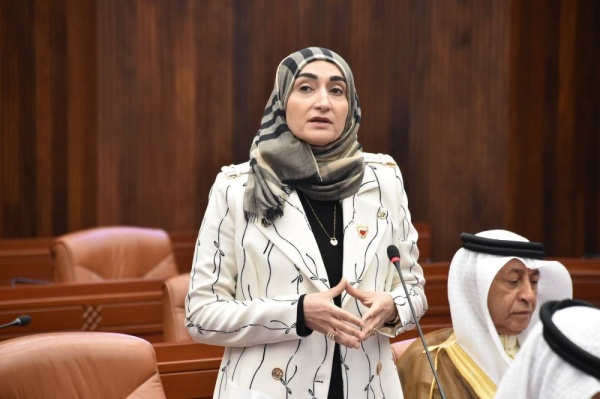
The proposed legislation has been presented by five Shura members led by former Salmaniya Medical Complex (SMC) infectious and internal diseases consultant Dr Jameela Al Salman.
Telemedicine service providers would also have to pay annual registration and renewal fees under the scheme.
The aim is to properly govern all telemedicine practices by both government and private medical facilities, alongside independent medics, through the National Health Regulatory Authority (NHRA).
Under the legislation, telemedicine would be considered an authorised service that includes medical consultancies, examinations and assessments, providing treatments, monitoring progress and decline of conditions, reviewing side effects of medications, and managing necessary lab and clinical tests.
Referenced are laws dealing with breaches to privacy, confidentiality, cybercrimes and work ethics.
“The NHRA will draw up all operational platforms, rules and procedures for the telemedicine practice in Bahrain,” said Dr Al Salman, in her explanatory document.
“Special licences could be also granted to visiting doctors who are invited for particular medical issues or conditions,” she added.
“In all cases, service providers have to keep precise records of patients, or any other special details that the NHRA may ask for.”
Dr Al Salman, a regular face during the Covid-19 pandemic, said telemedicine has become a popular choice for patients following its original implementation during the pandemic.
“This new medical sector is on a rise as it saves cost and energy of moving patients or getting the necessary care provided,” she explained.
“It could also become the main standalone medical sector in future with more reliance on technology and artificial intelligence.
“For that, it has to be separately regulated as there are electronic medical programmes that are popular over the Internet, but don’t follow proper practices or are even health-certified.”
The law is now being reviewed by Shura’s Services Committee with officials from concerned ministries and government bodies being asked for feedback.
It will be referred for debate in October following the National Assembly summer recess.
The GDN reported in April that telemedicine and virtual consultations with doctors had remained in demand even after social distancing guidelines were relaxed post-pandemic.
A study, titled Patients’ satisfaction with teleconsultations during the Covid-19 Pandemic in the Kingdom of Bahrain, was conducted by a group of family medicine residents under the supervision of Health Ministry disease control chief and public health, epidemiology and family medicine consultant Dr Adel Al Sayyad. It was published in the Journal of the Bahrain Medical Society.
It added that to examine patients’ satisfaction with telemedicine service and experience at the level of primary care in Bahrain, a retrospective cross-sectional study was conducted on 335 patients who used teleconsultations in January 2022 in primary care.
The overall satisfaction expressed by respondents of this survey with the teleconsultation medical service and experience was very high.
&uuid=(email))