

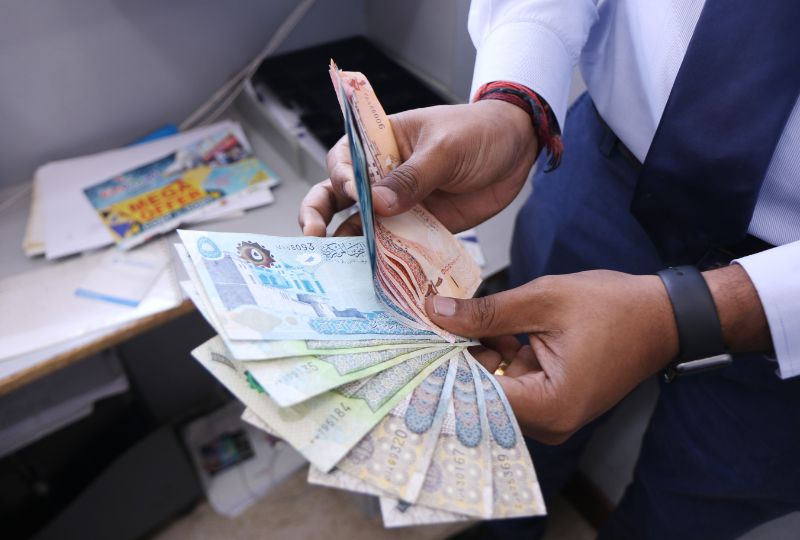
Baksheesh, a term commonly used in the Middle East, refers to giving small monetary gifts or tips to individuals providing services, expressing gratitude, and maintaining social relationships.
‘Baksheesh’ can vary depending on the situation and the individual’s financial means and is not limited to cash but can also include small gifts or other tokens of appreciation.
Several factors contribute to the prevalence of ‘baksheesh’ across regions.
First, cultural norms play a crucial role in shaping these customs. In societies where interpersonal relationships and face-to-face interactions hold significant value, ‘baksheesh’ reinforces social bonds. Additionally, economic factors, such as low wages in the service sector, can create a reliance on ‘baksheesh’ as a supplementary income source for service providers.
In European countries, practices similar to ‘baksheesh’ exist but are often referred to differently. In Italy and Greece, the concept of ‘Mancia’ and ‘Fakelaki’ involves giving tips or small sums of money to service providers. However, the prevalence and significance of these practices may vary across countries. In some European nations, tipping is not as deeply ingrained in the culture as it is in the Middle East.
Giving small monetary tips or ‘Chayeviye’ is common in Russia and some Eastern European countries. Tipping service workers, hotel staff and taxi drivers is customary. The tip amount is often left as loose change or an additional percentage of the bill.
‘Tipping’ is widely recognised and expected in the US. It is customary to offer gratuities to service providers, waiters, bartenders and taxi drivers. Tipping is a way to reward good service and incentivise quality performance. Unlike ‘baksheesh’, which is often negotiated or expected, ‘tipping’ in the US is voluntary but encouraged, with customary percentages varying across industries.
Throughout Asian countries, practices similar to ‘baksheesh’ can be found, although they may differ in their cultural context. In Japan, ‘Ochugen’ involves giving gifts or money on specific occasions as a gesture of appreciation and social obligation.
In China, ‘Hongbao’ refers to the giving of red envelopes containing cash during festivals and special events. In Sri Lanka, a similar practice known as ‘Santhosam’ is observed, where tips or gifts are given as a token of gratitude. In Thailand tipping is not mandatory but is appreciated, especially in the hospitality industry.
In Egypt, ‘baksheesh’ is commonly used to refer to small tips given to service providers. Similarly, providing small amounts of money, ‘Pourboire,’ is customary to express appreciation for services received in Morocco.
In many Latin American countries, such as Mexico, Argentina and Brazil, giving small monetary tips or ‘propinas’ is customary in service industries.
In Australia and New Zealand, tipping is less widely practised or expected compared to some other countries. However, it is not uncommon to leave small tips as a token of appreciation for good service, particularly in upscale restaurants. Tipping is generally discretionary and not considered obligatory.
While the motivations and prevalence of ‘baksheesh’ may differ between the Middle East, Europe, the US, Asia, and Sri Lanka, the practice serves as a means of expressing gratitude and maintaining social relationships. By understanding the cultural, social and economic factors that influence ‘baksheesh’, we can gain insights into the complexities of human interactions and the diversity of customs worldwide.
Dr Aloma Jayasundera
&uuid=(email))