

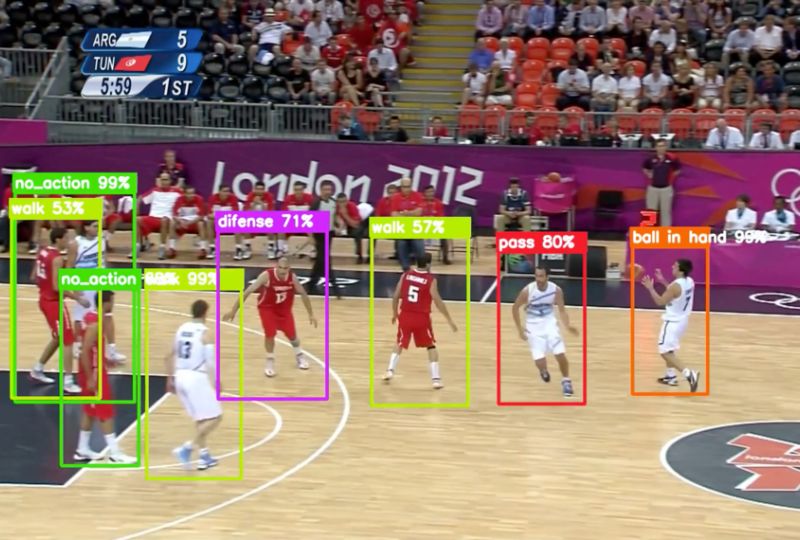
Bahrain and other Arab countries should look at implementing and utilising artificial intelligence (AI) in sports to improve results and analysis, an expert has said.
Speaking during the second day of the Arab Artificial Intelligence Forum, Global Group for AI chairman and Shaikh Nasser Centre for Research and Development in AI executive adviser Dr Jassim Haji highlighted the use of AI in sports and how it is being used in other countries to improve performance output in athletes.
“The biggest problem with Arab sports, in general, is that data is not being utilised enough,” said Dr Haji during a session titled ‘Examples of Using AI in Sports.’
“Big sporting nations such as the US and Germany have been utilising data in sports extensively for years.
“If Bahrain can start using data in conjunction with AI in different sports, I am sure we will start seeing better results and better performances.”
Dr Haji said AI’s ability to store large quantities of data and statistics, and its capability to come up with fast yet accurate solutions, are reasons it’s becoming more and more common, with it most recently being utilised in the Olympic Games in Paris.
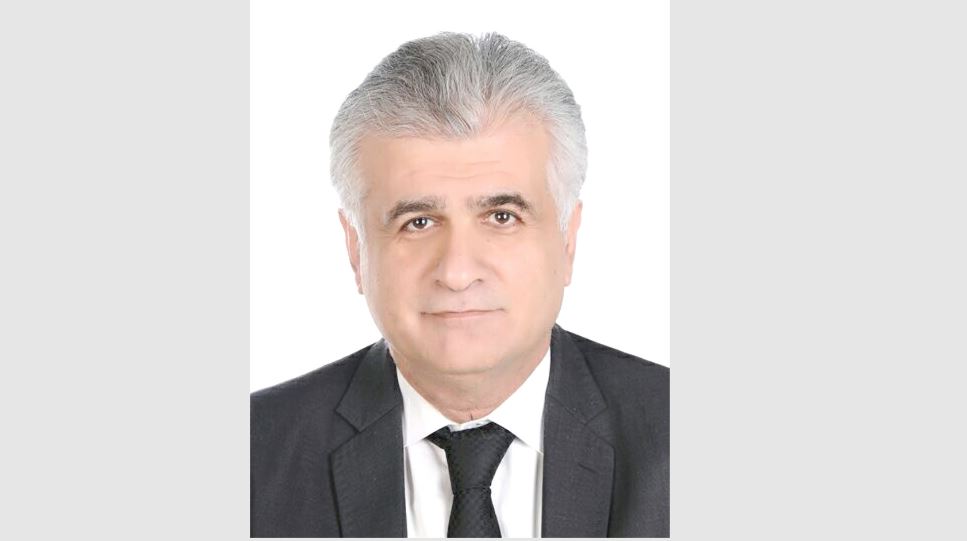
Dr Haji
Team Bahrain won four medals – two gold, one silver and one bronze – at Paris 2024 Olympics and gold medal winners Akhmed Tazhudinov and Winfred Yavi, silver-medallist Salwa Eid Naser, and bronze-medallist Gor Minasyan were given a hero’s welcome upon their return to the kingdom from the French capital last week.
Dr Haji said AI can study and analyse quickly and come up with solutions if needed, 24 hours a day, with experts using it to generate post-match reports and help coaches and trainers in decision-making.
He also listed a few examples of how Bahrain could gather data and utilise AI efficiently in sports.
“There are wearable devices that athletes use which can gather physiological data,” he said.
“Something as simple as a smart watch can measure number of steps taken, monitor heartbeat, sleep and oxygen levels.
“Additionally, there are smart clothes that monitor muscle activity as well.
“Bahrain and other Arab countries could use AI to make ideal meal plans for athletes, create specialised training routines for each individual and monitor environmental factors.
“Even something as simple as a chatbot has shown to make things much easier for athletes.”
Dr Haji also recommended other methods that coaches and tacticians can use to gather and analyse data.
“Computer Vision is being utilised more often in football, tennis, cricket and other sports,” he said.
“It has the ability to interpret visual data with incredible accuracy and uses algorithms that can detect and track athletes’ movements, recognise patterns, and even analyse facial expressions or body language for signs of fatigue or injury risk.
“Drones can also be used to film training sessions from a variety of angles and analyse data to improve athletic prowess.
“Such methods were used extensively during the most recent Olympic Games, and there is no doubt that it is only going to be more and more important as the years go on.”
He said if Bahrain can learn to utilise AI in sports efficiently, then ‘the possibilities would be endless’.
nader@gdnmedia.bh
&uuid=(email))