

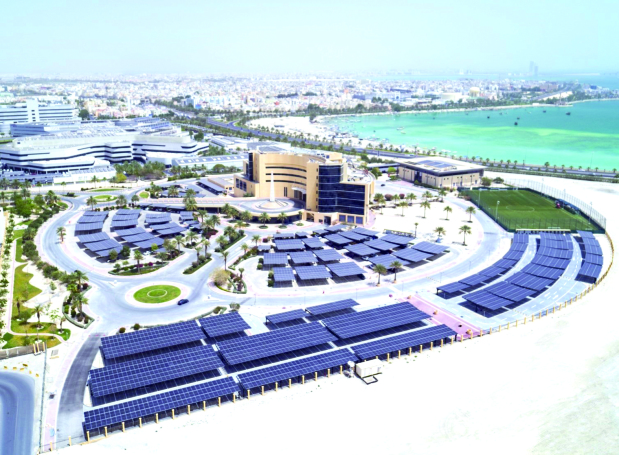
Bahrain is making strides in its transition to renewable energy, with the government setting an ambitious target of achieving 20 per cent reliance on solar power by 2035, a minister has said.
Electricity and Water Affairs Minister Yasser Humaidan reiterated the country’s commitment to reducing its carbon footprint and enhancing energy sustainability as part of its national energy strategy.
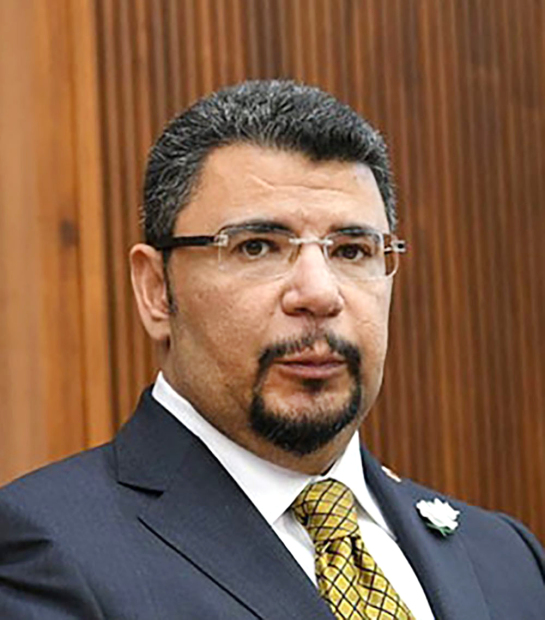
Mr Humaidan
Mr Humaidan, who is politically responsible for the Electricity and Water Authority (EWA), highlighted the country’s efforts to promote solar energy across various sectors, urging citizens and businesses to play a pivotal role.
“Solar energy systems are being installed in government buildings, schools, mosques, and office,” he said, in a written response to a query by Shura Council services committee vice-chairman Talal Al Mannai.
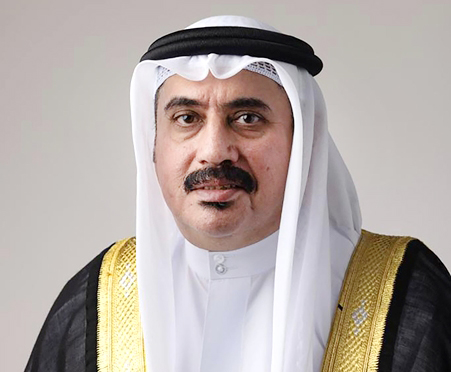
Mr Al Mannai
“The government is equally focused on empowering individuals and private enterprises to contribute to the renewable energy push.
“We are encouraging people to install solar panels on their homes, buildings, and businesses. This is not solely a government-led effort, it’s a collaborative national endeavour,” he added.
He explained that one of the key incentives introduced to encourage wider adoption is a financial reward for surplus electricity generated by private solar systems.
“Homes, businesses and buildings that feed excess solar power back into the national grid will be compensated, creating an economic benefit for participants,” he said. “This initiative aims to make solar energy a more attractive and viable option for the general population while bolstering national energy security.”
Mr Humaidan said the solar energy strategy is part of Bahrain’s broader commitment to diversifying its energy sources and achieving carbon neutrality.
“With abundant sunlight year-round, the kingdom is uniquely positioned to harness solar power, making it a cornerstone of its renewable energy plans,” he explained.
“In addition to private sector engagement, the government is also focusing on enhancing infrastructure to support renewable energy integration. This includes improving grid capacity and developing policies to streamline the installation and maintenance of solar energy systems.”
Experts have welcomed Bahrain’s solar energy target, noting that it aligns with global trends and reflects the kingdom’s proactive stance on addressing climate change. They believe that reaching the 20pc target by 2035 will require continued public-private collaboration, investments in renewable energy technologies, and sustained efforts to raise awareness about the benefits of solar energy.
The initiative also ties into Bahrain’s Economic Vision 2030, which aims to build a more sustainable and diversified economy.
By integrating solar energy into its energy mix, Bahrain not only reduces reliance on fossil fuels but also fosters innovation and creates new opportunities for green jobs.
Mr Humaidan emphasised that Bahrain’s renewable energy plans were not just about meeting targets.
“We are investing in our environment and our people. This is about securing a cleaner, greener Bahrain for generations to come,” he said.
“As solar panels begin to appear on rooftops across the kingdom, Bahrain moves closer to becoming a regional leader in renewable energy, demonstrating that collective action can drive meaningful progress in combating climate change.
“The ministry or the authority are not concerned about customs or taxes on imported equipment and panels.”
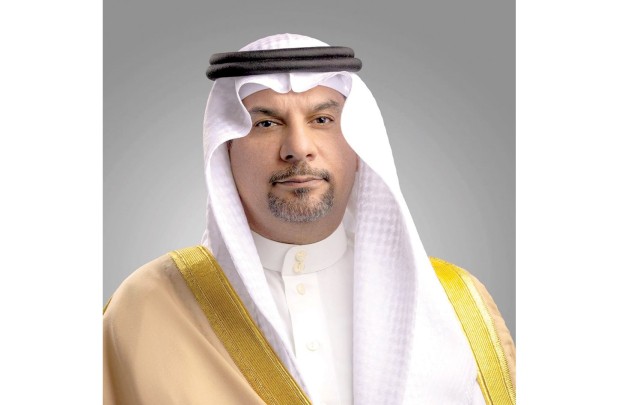
Dr Bin Daina
Oil and Environment Minister Dr Mohammed Bin Daina also emphasised that the country’s energy strategy balances environmental protection with operational practicality.
“Operational factors, including cost, availability, and practicality, are always taken into account in line with our goals to protect the environment,” said Dr Bin Daina, who is also politically responsible for the Supreme Council for the Environment.
“The new strategy reflects Bahrain’s growing focus on sustainable development and its alignment with global efforts to limit greenhouse gas emissions.
“It also signals a move away from traditional reliance on fossil fuels, with an emphasis on diversifying energy sources and integrating renewable technologies.”
The Shura member will be notified about the two replies during Sunday’s weekly session.
mohammed@gdnmedia.bh
&uuid=(email))