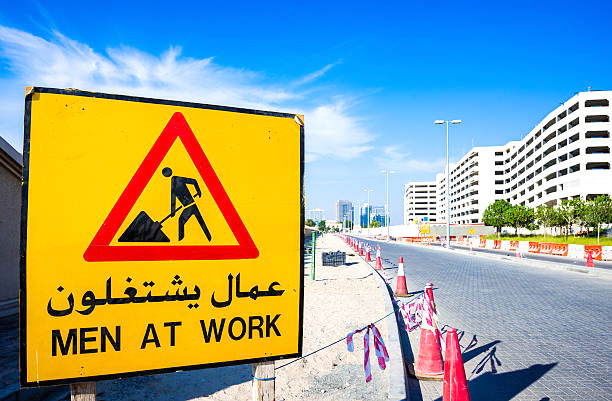
A new proposal to instal signs across Bahrain to inform residents and businesses about infrastructure project timelines and progress has been tabled.
Under the initiative, electronic or ordinary signboards would be placed at active worksites nationwide, providing clear information about project start and end dates, the nature of the works and live updates on progress in percentage terms.
The goal is to keep citizens informed, reduce confusion and frustration caused by disruptions and encourage a sense of inclusion in the country’s development journey.
The proposal is spearheaded by Capital Trustees Board technical committee chairwoman Huda Sultan, with full backing from board chairman Saleh Tarradah.

Ms Sultan
Ms Sultan explained that the idea stems from mounting concerns among residents who are often unaware of ongoing or upcoming work in their areas, leading to confusion over road closures and daily life disruptions.
“People deserve to know what’s happening in their neighbourhoods,” she said. “Whether road resurfacing, sewage maintenance or network upgrades, residents should be told in advance so they can plan their days, understand the reason behind the disruptions, and feel reassured that the inconvenience is temporary.”
She added that the lack of information and real-time updates often leads to misunderstandings and complaints, especially when projects extend beyond expected completion dates.
“A simple board stating that work will begin on, say, July 15 and end by October 1, with weekly updates showing 30pc, 50pc, or 90pc completion, would go a long way in managing public expectations and building trust.”
In addition to signs, Ms Sultan is also proposing that advance notice flyers be delivered, particularly in areas where work may require road closures or generate significant noise.
“People should not wake up to the sound of jackhammers outside their bedroom window without warning,” she said. “Courtesy notices distributed a few days before any work starts will help families prepare, especially those with elderly members, children or individuals working night shifts.”
Ms Sultan noted that the signage must be standardised across all governorates to ensure consistency.
“Whether you’re in the Capital, Northern, Southern or Muharraq Governorates, people should see the same format and know exactly what the information means,” she suggested.

Mr Tarradah
Mr Tarradah supported the proposal and called for expanded digital integration, recommending that project notifications be incorporated into government mobile applications and websites.
He also proposed a study into SMS alerts. “We live in a connected world,” said Mr Tarradah.
“Why rely only on physical boards or flyers when we can harness the power of technology to keep the public informed in real-time?”
He stressed that this system would not only improve citizen satisfaction but would also help contractors and government agencies avoid unnecessary backlashes.
“Too often, people assume the government is dragging its feet simply because they don’t know what stage a project is at,” he added. “If the public can see that 60pc of work is done, they’re more likely to be patient and understanding.”
He also highlighted the potential for the system to promote government accountability and project tracking.
“These signs and online updates would make it harder for projects to go off-track without notice. It builds accountability from the ground up,” he said.
The proposed system would apply to all municipal, infrastructure and utility-related projects, including:
- Road construction and resurfacing
- Sewage and drainage upgrades
- Electricity and water network expansions
- Public park developments
- Pedestrian pathway and streetlight improvements
The boards could be installed at the edge of work zones, visible to motorists and pedestrians alike, with QR codes linking to more available detailed online information.
“We want to build this with community feedback,” said Mr Tarradah. “Ultimately, the goal is to improve communication, not create another layer of bureaucracy.”
Both Mr Tarradah and Ms Sultan confirmed that the proposal would soon be formally presented to concerned ministries and Parliament, and they encouraged feedback from the public, developers and contractors.
If approved, they added, the proposal could mark a significant shift in how public infrastructure projects are communicated to the public – transforming passive confusion into informed participation and turning construction zones into transparent symbols of progress.
mohammed@gdnmedia.bh