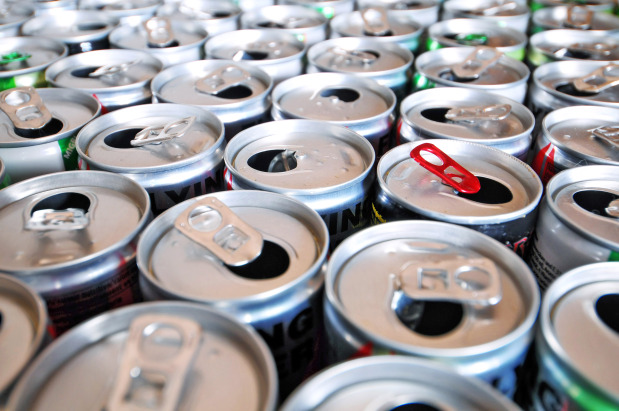
Officials and medical experts have urged parents to ban their children from consuming energy drinks, following the tragic death of a teenager in Muharraq.
Ibrahim Al Mohammed died last week at the age of 16 after drinking a couple of cans while gaming with friends.
His heartbroken parents told our sister paper Akhbar Al Khaleej that a forensic medical report revealed that the schoolboy had suffered acute circulatory collapse, a condition where there is an interruption of cardiac activity, after consuming the drink.

Ibrahim
Caution is advised, study experts suggest. “The heart reacts to the high caffeine and other chemicals,” explained its lead investigator, Michael J Ackerman. “It’s the magnitude and the combination of the chemicals in energy drinks that can catch the vulnerable heart off guard and send it into a potentially lethal heart rhythm that leads to sudden cardiac arrest and sudden cardiac death.”
Dr Ackerman, a genetic cardiologist at the acclaimed US Mayo Clinic, added: “It’s more concerning than we thought, and we need to take some prudent steps to make people aware so that they’re not moving things past their safety margin into cardiac danger.”
Schoolboy Ibrahim was buried on August 14 following evening prayers at Muharraq Cemetery.
Speaking to the GDN, MP Khalid Bu Onk urged parents across the country to avoid allowing their children access to energy drinks and demanded commercial establishments respect the law and stop selling them to anyone under the age of 18.

Mr Bu Onk
“Ibrahim was with his friends, gaming on the PlayStation when the tragic incident happened,” said Mr Bu Onk. “He apparently drank a couple of cans of energy drink and felt drowsy, so he went to take a nap.
“A few hours passed by and he never came back, so they went to check on him but found him unresponsive.”
Mr Bu Onk reminded Bahraini vendors that the law prohibits the sale of energy drinks to children and violators could be subject to a fine of up to BD2,000.
“The troubling question is, where the oversight is and who bears responsibility?” he asked.
“I have spoken to Health Minister Dr Jalila Al Sayyed, and recommended there be more co-ordination between the Health Ministry and the Industry and Commerce Ministry.
“There are new products in the market that appear not to advertise themselves as energy drinks but might as well be considered as such. We will aim to work together to make sure that the law is fully applied across the country.”
Bahrain Medical Society president Dr Amer Alderazi added his warning to parents to be alert to the dangers.
“They are not suitable for children under any circumstances,” he told the GDN. “They contain high levels of caffeine, sugar and other stimulants which affect the developing nervous and cardiovascular systems.
“We often see sleep disturbances, anxiety, reduced concentration, and even early signs of dependency.
“The high sugar content contributes to obesity, dental problems and raises the risk of developing diabetes in later life. They offer no benefit to children – only harm.”
Dr Alderazi stated that the drinks place considerable strain on young bodies, raising blood pressure and heart rate, and in some cases triggering palpitations and irregular heart rhythms.

Dr Alderazi
There is a particular danger to youngsters suffering from genetic heart disease that can sometimes go undetected until problems arise. While this may mean temporary discomfort for adults, for children or individuals with underlying heart conditions, the effects can be critical.
“Worldwide, there have been cases of serious complications, including arrhythmias and even sudden cardiac events linked to excessive energy drink use.
“The combination of stimulants makes the reaction less predictable and therefore more hazardous.
“The best sources of energy for children are natural and healthy. Water remains the safest and most essential drink, along with fruits, whole grains, nuts and dairy products.
“Adequate sleep and regular exercise are also critical for maintaining alertness and vitality.
“If parents are looking for healthier alternatives, fresh fruit juices, milk or smoothies are far better choices than caffeinated energy drinks.
“At the Bahrain Medical Society, we emphasise the importance of fostering healthy habits early in life to ensure our children grow strong, focused and resilient.”
Meanwhile, following the tragedy, some families in Bahrain are scrambling to get rid of energy drinks in the home.
A housewife and mother of two teenage boys, told the GDN that energy drinks have now been banned from her family’s Sanad home.
“I figured that it’s better to be safe than sorry,” she said. “My children knew that they were not allowed to have energy drinks, but I cannot be with them 24-hours-a-day to supervise them.
“My husband used to consume energy drinks on occasion, and I did not want that habit to spread to the children.
“After a family discussion, we have got rid of all the energy drinks in our fridge. Following this tragedy, I don’t think we will ever purchase them again, and I cannot imagine what the boy’s poor parents must be going through.”
Bahrain implemented a ‘sin tax’ in 2017 which doubled the price of energy drinks. It aimed to encourage citizens to opt for healthy products, reduce consumption of harmful goods, enhance social awareness and alleviate the financial burden resulting from treatment of serious diseases.
The selective tax was approved by GCC countries at a summit in 2015.
The GDN reported in March this year that increased selective taxes on energy drinks, sugary beverages and tobacco, were agreed upon as part of an eight-point deal agreed for the 2025-2026 national state budget.
nader@gdnmedia.bh