


AN assurance that the government will maintain overall fiscal discipline despite certain ministries exceeding their approved budgets in 2023 was made by Finance and National Economy Ministry Finance Under-Secretary Yousif Al Humood.
He was speaking during a debate on the 2023 unified closing financial statement during Shura Council’s weekly session yesterday.
The statement, and accompanying reports, prepared by the Finance and National Economy Ministry revealed that several key ministries, including Defence, Interior, Education and Health overspent their allocations.
The overall fiscal deficit also widened significantly, rising by 317 per cent to BD774 million in 2023, compared with BD186m in 2022, as public expenditure outpaced rising oil and non-oil revenues.
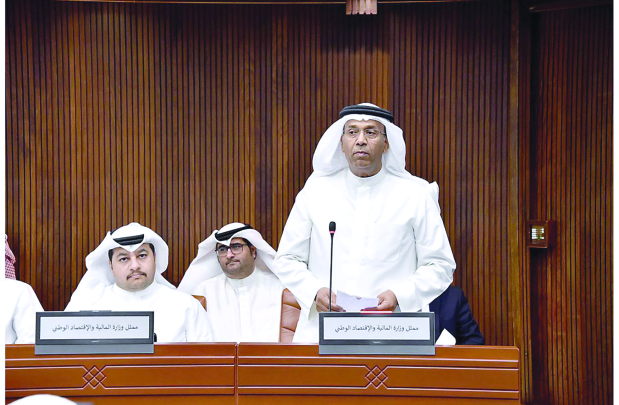
Mr Al Humood
Mr Al Humood said the ministry has implemented strict spending controls, but emphasised that these must be applied “without disrupting the smooth operation of government services”.
He explained that every expenditure item was subject to ministerial committee approval. The ministry did not authorise any spending without due process.
He also noted that certain payments – such as public debt servicing and social support programmes – naturally expand due to economic conditions and population needs.
Addressing questions from members, the official clarified that some budget variances were linked to unrealistic revenue projections that did not reflect actual cash inflows.
He added that entities such as the Electricity and Water Authority did not always pay their full share on time, which affected the state’s overall financial picture.
“We stress the importance of preventing overspending,” he said, “but we also have to ensure that national interests and essential services, such as electricity production, are not interrupted.”
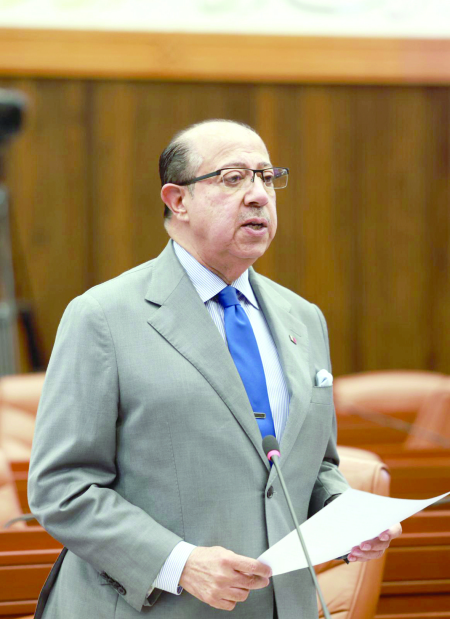
Mr Al Maskati
Shura’s financial and economic affairs committee chairman Khalid Al Maskati praised the government’s efforts to maintain stability and balance in the national budget despite global and domestic challenges.
He said that the budget’s oil price benchmark of $60 per barrel reflected realistic revenue expectations and allowed for balanced expenditure.
Discussions between the executive and legislative branches, he added, focused on rationalising spending, boosting non-oil revenues and encouraging private sector partnerships to ensure sustainable growth and improved living standards.
He noted that while the non-oil sector grew by 3pc in 2023, total public debt increased to BD17.9bn, up 7pc from the previous year.
He urged the Finance and National Economy Ministry to enhance transparency by including full balance sheets and cash-flow statements in future financial reports.
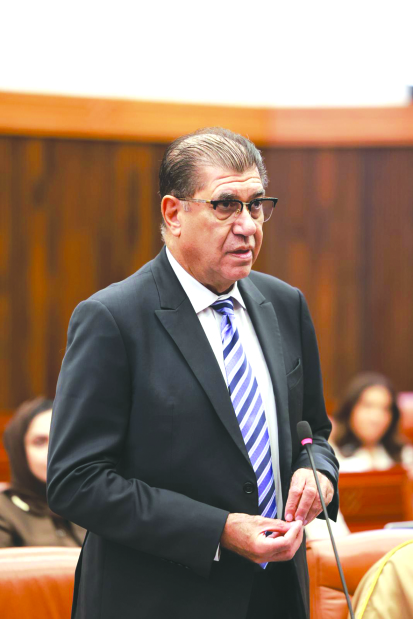
Mr Fakhro
Shura first vice-chairman Jamal Fakhro voiced concern that many of the committee’s recommendations went unheeded for several years.
“It is unreasonable to see the same audit observations repeated annually without being addressed,” he said, urging the National Audit Office to expand its review beyond revenues and expenditures to include liabilities, accrued expenses and public debt, amounting to hundreds of millions of dinars.
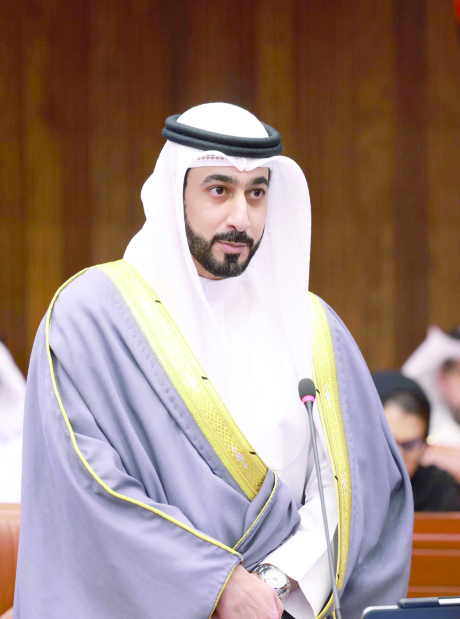
Dr Al Binmohammed
Shura member Dr Bassim Al Binmohammed cautioned against excessive austerity, arguing that over-tightening expenditure could hurt economic growth.
The chamber unanimously approved the 2023 closing financial statement, while urging the government to adopt its recommendations to strengthen financial governance and enhance transparency.
mohammed@gdnmedia.bh
&uuid=(email))