

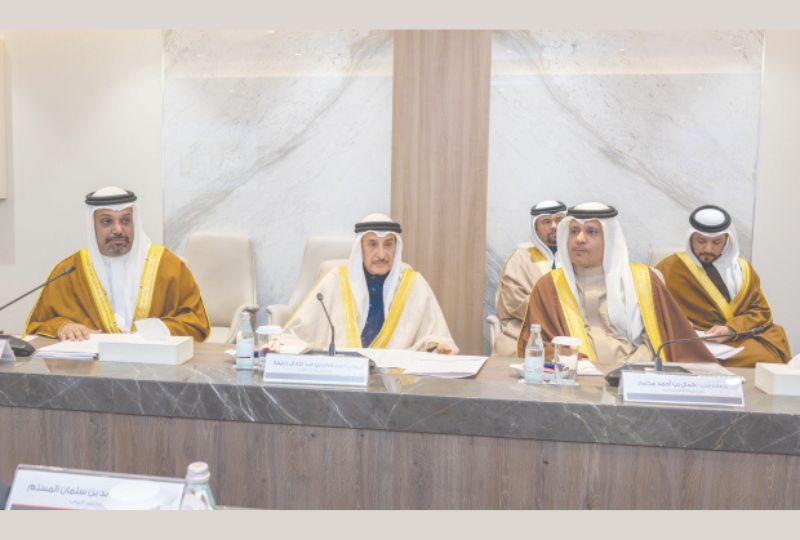
Nine initiatives aimed at strengthening public finances and improving citizens’ living standards were discussed at a joint meeting between the legislative and executive branches, at the National Assembly Complex in Gudaibiya yesterday.
Deputy Prime Minister Shaikh Khalid bin Abdulla Al Khalifa highlighted the importance of the meeting, describing it as a key milestone in joint national action.
He noted that the session focused on discussing the next phase, which requires consensus with the legislative authority on several priorities, and embarking on the implementation of a new package of additional measures to develop public finances.
He reaffirmed the commitment to fostering partnership and integration between the two authorities, ensuring that every step taken is well-considered, responsive to citizens’ needs and aimed at safeguarding economic stability while strengthening the kingdom’s position as a leader in balancing fiscal sustainability with comprehensive growth.
Finance and National Economy Minister Shaikh Salman bin Khalifa Al Khalifa stressed that the initiatives proposed during the meeting align with the directives of His Royal Highness Prince Salman bin Hamad Al Khalifa, Crown Prince and Prime Minister, to make optimal use of all national resources in a manner that benefits citizens and prioritises Bahrainis in services and entitlements.
The initiatives included a mechanism to continue electricity and water subsidies for all citizens in their first home for the first and second consumption slabs through direct cash support, allowing citizens to benefit monthly from any remaining amounts if consumption is reduced.
They also included generating revenues from corporate profits exceeding a specified threshold, developing a mechanism for fixing fuel prices, adjusting natural gas prices for companies and factories, reviewing fees on foreign labour, levelling wastewater fees while exempting citizens’ first homes, increasing excise taxes on fizzy drinks, improving the utilisation of undeveloped investment land through a review of municipal fees and continuing to rationalise recurring expenditures of government entities while maintaining the quality of services provided to citizens.
&uuid=(email))