

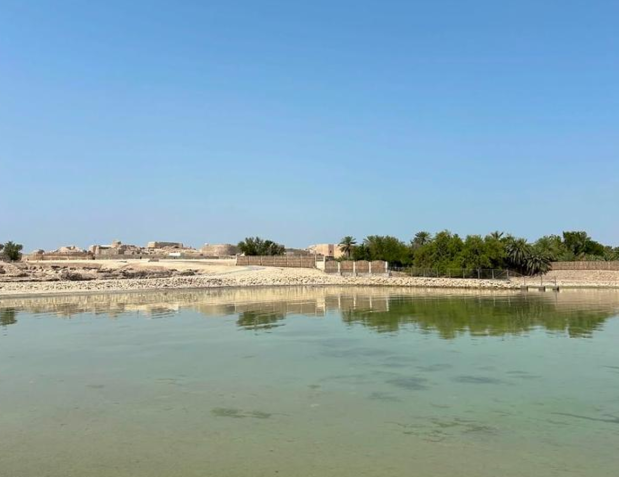
A proposal to partially redevelop the Karbabad coast, one of Bahrain’s most historically significant waterfronts, has reached a deadlock, with Capital Trustees Board members unable to agree on whether the project should be limited in scope or expanded into a full master plan.
The proposal focuses on upgrading the stretch of coastline adjacent to the Bahrain Fort Museum – a cultural landmark that attracts an increasing number of visitors and tourists seeking sea views and heritage experiences. Bahrain Fort is a World Heritage Site protected by Unesco.
The proposal also calls for a series of modest but targeted improvements to enhance the site’s visual appeal, safety and usability. They include planting trees along parts of the coastline to create a greener and more welcoming environment, installing modern solar-powered lighting to ensure safe night-time illumination, and adding cement and wooden benches to provide seating areas for visitors.
Some of these amenities, the proposal noted, could be supported through public donations in recognition of the site’s cultural importance.
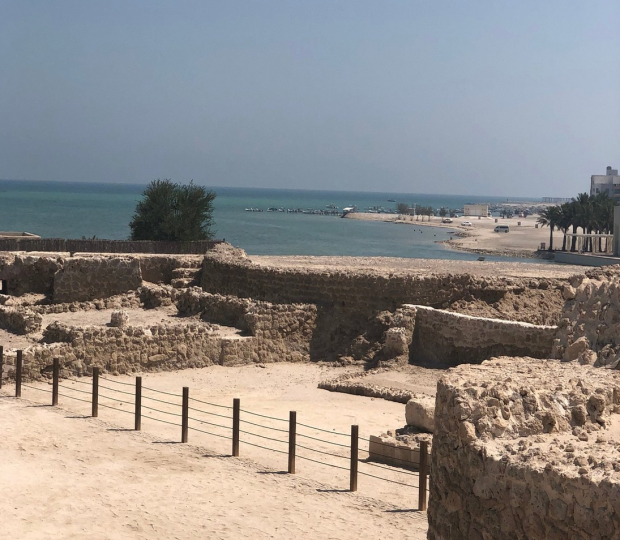
Coastal plots on the historic Bahrain Fort shoreline
Board members who support the plan argue that such upgrades would significantly improve quality of life, boost domestic tourism and transform the area into an integrated urban and leisure destination.
They also point out that the proposal aligns with Bahrain’s wider sustainable development goals through the use of renewable energy and environmentally sensitive landscaping, while encouraging social, recreational and marine activities.
However, discussions at the board revealed differing visions for the future of Karbabad coast.
Board vice-chairwoman Khulood Al Qattan advocated for a broader, more holistic vision, stressing that piecemeal development might limit the area’s long-term potential.
While acknowledging the merits of partial improvements, she argued that Karbabad’s unique historical and coastal character deserves a unified plan that clearly defines land use, public access, heritage protection and tourism services from the outset.
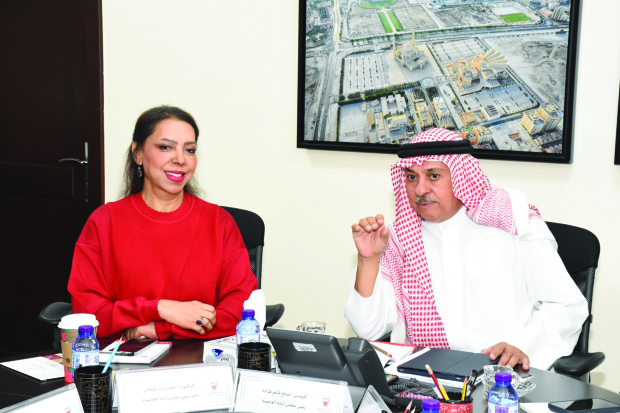
Mr Tarradah, right, and Ms Al Qattan
Capital Trustees Board chairman Saleh Tarradah stated that while a comprehensive development approach would be ideal, initial focus should be on land already owned by the government to avoid delays and complications.
“This could be followed by another plan to purchase private property,” he said. “However, property in Seef District is very expensive, and heavy government support will be needed.”
He added that the debate underscores a familiar challenge facing urban development projects in heritage-rich areas – how to modernise and activate public spaces without compromising history, financial feasibility or long-term vision.
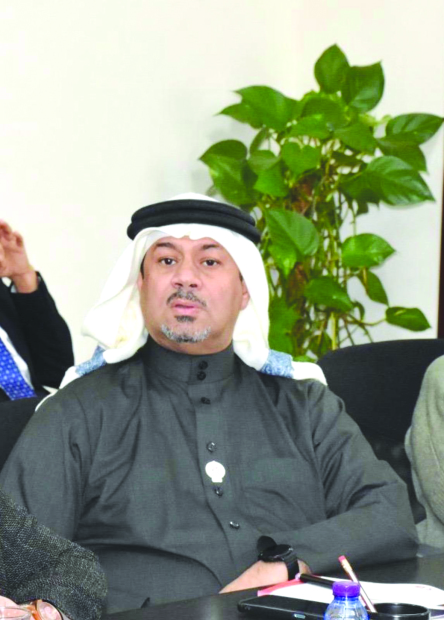
Dr Al Dairy
Board member Dr Abdulhassan Al Dairy, who proposed the partial revamp, highlighted the cultural and archaeological value of the site, warning against rushed or fragmented development.
“Karbabad coast is not just a recreational area; it is part of Bahrain’s historical and archaeological identity,” Dr Al Dairy said. “Any development, whether partial or comprehensive, must respect this status and ensure that heritage is preserved, not overshadowed.”
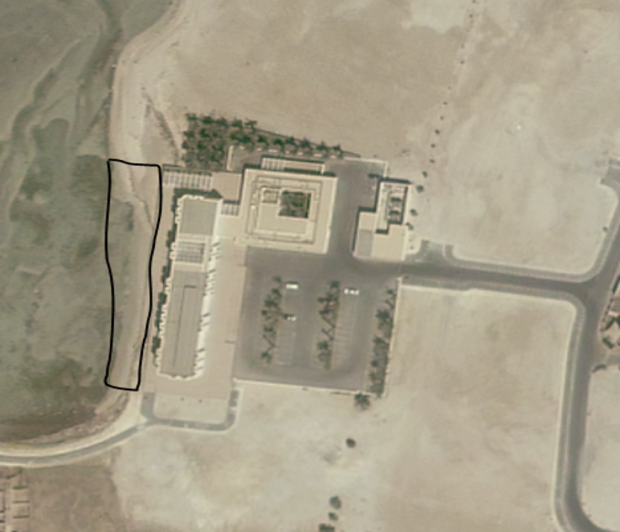
The partial planning originally sought by Dr Al Dairy
He added that Bahrain, as an island nation surrounded by coastlines, has a responsibility to develop its waterfronts in a way that balances tourism, community needs and environmental sustainability.
Despite broad agreement on the importance of upgrading the area, the lack of consensus over the scale and sequencing of development means the proposal could not move forward at this stage.
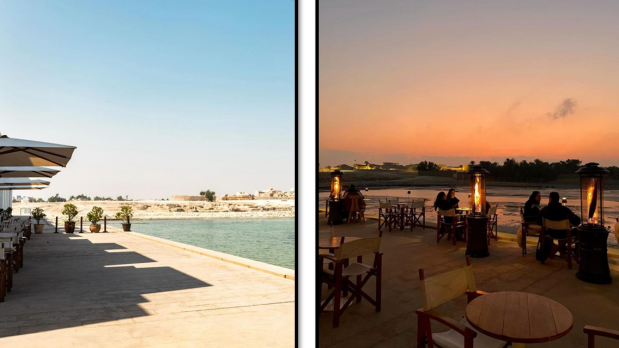
The site sought for planning
The deadlock leaves the future of Karbabad coast improvements uncertain, though members indicated that the issue is likely to return for further discussion once alternative frameworks – potentially combining phased development with long-term planning – are explored.
mohammed@gdnmedia.bh
&uuid=(email))