

Bahrain’s social support system is undergoing structural and digital reform to ensure long-term sustainability, fair distribution of aid and faster service delivery, it has been revealed.
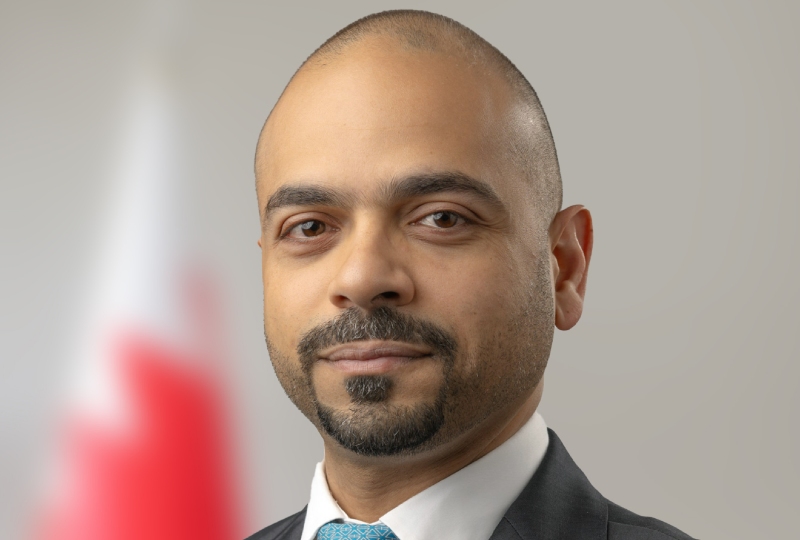
Social Development Minister Osama Al Alawi outlined a multi-pronged strategy aimed at strengthening financial efficiency, improving co-ordination across government entities and expanding digital access for beneficiaries.
“The ministry is committed to ensuring that social support reaches those who are entitled to it in a fair, transparent and sustainable manner,” Mr Al Alawi said.
“This is achieved through clear eligibility standards, continuous data verification and close electronic co-ordination with relevant authorities.”
He made the remarks in response to a parliamentary question by MP Dr Muneer Suroor.
He explained that monthly electronic data-linking with government entities allows the ministry to verify eligibility, prevent duplication and protect public funds, ensuring that assistance is distributed equitably in line with the law.
To improve the quality and speed of services provided to low-income families, senior citizens and people with disabilities, the ministry has re-engineered its internal procedures.
“We are simplifying processes, reducing processing times and expanding electronic channels through the e-government portal,” Mr Al Alawi said. “As a result, the time required to complete some services has been reduced by around 50 per cent.”
A central pillar of the reform effort is the regular updating of beneficiary data, a requirement set out in the Social Security Law of 2006. Beneficiaries are legally obligated to notify the ministry of changes in income, family size, marital status or health conditions, while the ministry itself conducts periodic reviews.
“Our social assistance department tracks cases electronically and carries out monthly reviews to ensure continued eligibility,” the minister said. “This allows assistance to be adjusted promptly when circumstances change, avoiding delays or improper payments.”
On support for people with disabilities, Mr Al Alawi said the ministry works closely with the Labour Ministry to facilitate job placement for those who are qualified and able to work.
“The goal is social stability and independence,” he said. “Rehabilitation, employment and empowerment go hand in hand.”
He added that the ministry also supervises government, private and non-profit rehabilitation centres and has expanded partnerships with the private sector to offer discounts and privileges for people with disabilities and senior citizens.
Housing support, however, falls under the remit of other government bodies, with co-ordination maintained where required.
He pointed out digital transformation remains a key priority, with systems being integrated across government to allow easier, faster and more transparent access to services.
“This transformation is not only about technology,” Mr Al Alawi said. “It is about building a modern, responsive social protection system that puts citizens first.”
He noted that these efforts align with the objectives of the National Committee for the Care of People of Determination, established by Royal Decree in 2025, which oversees co-ordination of disability-related policies across government.
The minister also stressed that reviews of social services are ongoing.
“We continuously evaluate and improve our services to meet citizens’ needs and support social stability,” Mr Al Alawi said. “This reflects the government’s firm commitment to developing efficient, fair and sustainable social protection for all.”
&uuid=(email))