

More than 1,400 new cancer cases and around 4,500 kidney failure patients were registered in Bahrain in 2024, according to figures presented by the Health Ministry.
Health Minister Dr Jalila Al Sayyed said the data reflects the growing burden of non-communicable diseases, as well as the kingdom’s expanding capacity to diagnose, treat and manage such conditions.
“These statistics underline the importance of strengthening prevention, early detection and integrated care, while ensuring that patients continue to receive the highest standards of treatment within Bahrain,” Dr Al Sayyed said, in writing, while responding to a question by MP Jalal Kadhem Al Mahfoodh.
According to the National Cancer Registry, a total of 1,401 cancer cases were recorded in the country in 2024, including 1,230 Bahrainis and 171 non-Bahrainis.
Among Bahraini patients, cases were reported across all age groups, with a higher incidence observed among those aged 50 and above. Both men and women were significantly affected, mirroring global patterns in cancer prevalence.
In terms of disease stage at diagnosis (Bahraini and non-Bahraini combined), 50.68 per cent were localised or confined to the primary organ; 10.15pc showed regional lymph node spread; 12.67pc had distant metastasis; 7.42pc were cases such as leukaemia where staging is not applicable and 12.53pc were recorded as ‘unknown’ stage.
“These figures demonstrate progress in early detection, with more than half of cases diagnosed at a localised stage, where treatment outcomes are significantly better,” Dr Al Sayyed noted.

Dr Al Sayyed
Meanwhile, the ministry reported 4,547 dialysis patients in 2024, including 4,298 Bahrainis and 249 expatriates. This included 2,815 men and 1,732 women.
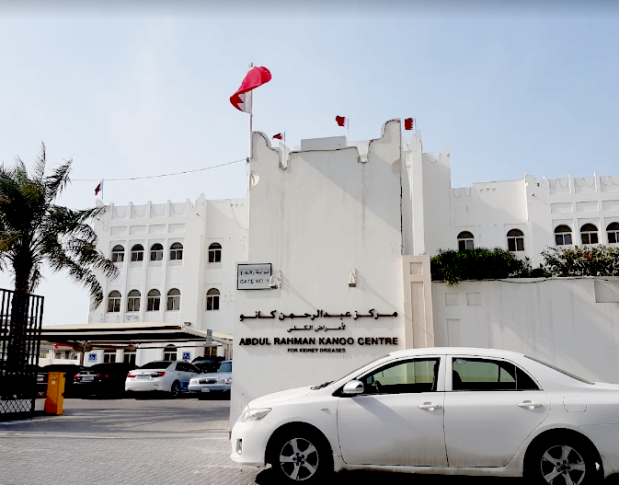
Government dialysis services are provided mainly through Salmaniya Medical Complex and the Abdulrahman Kanoo Dialysis Centre For Kidney Diseases in Busaiteen.
A total of 47,064 patient visits were recorded in 2024, including those for dialysis. Of these, 44,976 were from Bahrainis and 2,088 by non-Bahrainis.
While most cases were treated locally, 163 cancer patients were referred abroad in 2024 for specialised care unavailable in Bahrain.
Destinations included Saudi Arabia (58 cases), Jordan (44), Türkiye (42), Germany (10), India (5), UK (2), Thailand (1) and Kuwait (1).
Costs were covered from the budget alloted for general treatment abroad, subject to approval by the Supreme Committee for Treatment Abroad.
In 2024, kidney failure was responsible for 65 deaths, including nine expatriates, while cancer accounted for 524 fatalities, including 58 non-Bahrainis.
Dr Al Sayyed stressed that mortality data is closely monitored to guide national health planning and resource allocation. She also highlighted a comprehensive national plan for cancer prevention and control, aligned with global strategies and Bahrain’s non-communicable disease framework.
Primary healthcare centres play a central role, offering screening and early detection for breast, cervical, prostate and colon cancers. High-risk groups, particularly patients with diabetes and hypertension, undergo regular kidney function monitoring to detect early signs of renal disease.
Vaccination programmes, including HPV and hepatitis B, have also contributed to reducing cancer risk and improving early detection.
“Early screening and healthy lifestyles remain our strongest tools in reducing deaths and improving quality of life,” Dr Al Sayyed said.
The minister confirmed that strict oversight is maintained over food products, chemicals and environmental health, in line with Gulf Standard Specifications and recognised international benchmarks.
All products entering Bahrain are subject to inspection at border points, while regulations governing hazardous materials are rigorously enforced to safeguard public health and protect the environment.
In parallel, public awareness campaigns focus on smoking cessation, healthy nutrition, obesity prevention and the promotion of physical activity, with initiatives supported by schools, universities, the media and civil society organisations.
Dr Al Sayyed reaffirmed the ministry’s commitment to continued co-operation with Parliament, alongside sustained investment in disease prevention and healthcare services.
“We remain fully committed to developing health services, enhancing early detection and safeguarding the health of citizens and residents,” she said.
The detailed figures, she said, provide a vital evidence base to shape Bahrain’s future health policies and reduce the long-term burden of cancer and kidney disease.
mohammed@gdnmedia.bh
&uuid=(email))