A Bahrain environmental advocate is urging the kingdom to introduce stricter penalties as part of efforts to tackle the country’s growing food waste problem.
Nasra Buashwan uses her Instagram account to encourage citizens and residents to embrace a ‘zero-waste lifestyle’ and take an active role in creating a healthier community.
The 34-year-old campaigner launched the page in 2017 after learning about the impact of human activity on the environment. Since then, she has used the platform to teach people how to consume less and save more, growing her audience to more than 23,000 followers.

Ms Buashwan
“Right now, people can waste food without facing any consequences,” Ms Buashwan told the GDN. “I believe there should be penalties for those who excessively discard food to discourage this behaviour.
“The problem is that many people don’t fully understand how their actions impact the environment and most of the waste simply ends up in landfills, polluting the country.”
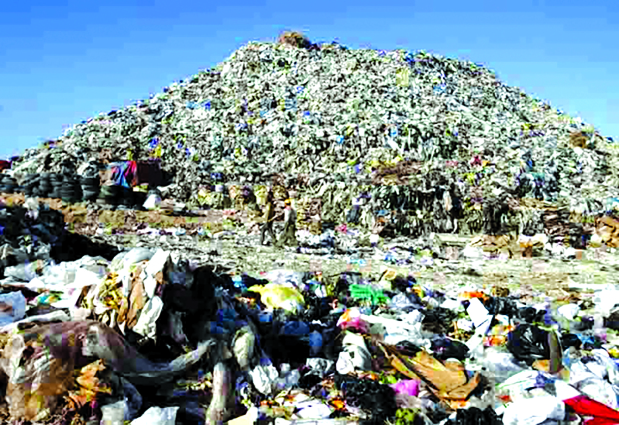
Food waste constitutes a huge portion of the hundreds of thousands of tonnes sent to Askar landfill annually, with some reports suggesting 50 per cent of the rubbish is food.
The Riffa influencer added that addressing the problem is a complex issue that starts with proper education, a practice she has already begun with her two-year-old son.
“It is not about giving a single class or talk in school,” Ms Buashwan said, emphasising that environmental education should be a constant part of children’s lives.
At home, she teaches what she preaches every day. “For example, my son does not even know that plastic toothbrushes exist, because we use the money saved through mindful consumption to buy eco-friendly alternatives,” she said.
She also noted that many people struggle with consuming less or living a zero waste life because they do not fully understand how it works in practice.
For instance, she highlighted the recent installation of around 300 recycling containers by the Municipalities Affairs and Agriculture Ministry across the kingdom to encourage plastic bottle recycling.
“Many people complained that the entry slot was too small,” she explained, noting that it was intentionally-designed this way to prevent people from simply dumping loads of rubbish for convenience. “They had to insert the empty crushed bottles one-by-one, which they felt was too much effort,”she explained.
At least 279 tonnes of recyclable waste were collected through sorting bins from January to October 2025. “Steps like these make a big impact,” she added.

Bins set up in the Capital Governorate
Taking it a step further, Ms Buashwan added that to reduce waste overall, people should avoid single-use plastic water bottles and switch to reusable ones.
She also encouraged choosing hygiene products that produce less waste, highlighting options such as solid bars of shampoo, soap and deodorant, as well as refillable liquid hand soap systems.
In addition, people can opt for natural or biodegradable materials, such as bamboo or plant-based alternatives, which replace single-use plastics with durable, compostable or recyclable products, reducing landfill waste and micro-plastic pollution.
Even simple practices like freezing food can make a difference. “Many people let food go to waste because it spoils before they use it,” she said, noting that freezing it keeps it fresh longer and also reduces the amount of food a person needs to buy.
Speaking ahead of Ramadan, Ms Buashwan urged families to be mindful of how much they purchase and cook. “The month is meant for fasting, not preparing excessive amounts of food that will likely be thrown away,” she said.
Daily organic food waste in Bahrain amounts to roughly 600 tonnes. The United Nations Environment Programme’s Food Waste Index revealed that in 2020, Bahrainis discarded 146,000 tonnes of food, costing the country BD94.9 million. According to previous GDN reports, around 15 to 25 per cent of food purchased by families ends up as waste, rising to about 35pc during Ramadan.
Ms Buashwan is currently running a campaign to collect old crayons from schools at the end of the year to recycle them into new ones. The crayons are cleaned, sorted by colour, melted down and transformed into new pieces for the following school year. So far, more than 100kg of crayons have been collected, and she is calling for more volunteers to join the project.

Ms Buashwan with her crayons
julia@gdnmedia.bh