

Bahrain’s healthcare sector is ramping up efforts to recruit more Bahraini nurses while simultaneously expanding services across the kingdom.
MPs were briefed on the plans during a lengthy four-hour debate on 20 government responses to their proposals.
During the session, legislators pressed officials on timelines, service capacity and overall quality, stressing the need to ensure citizens receive timely and reliable healthcare.
Officials stressed that while challenges remain, steps are being taken on multiple fronts – from workforce development to digital transformation – to improve efficiency and patient outcomes.
The discussions underscored a dual-track strategy: building local human capital in healthcare professions, while simultaneously expanding service delivery through innovation and outreach.
With mobile units, telemedicine and future app integration, authorities say Bahrain is moving towards a more flexible and accessible healthcare model – even as it works to close critical staffing gaps over the coming years.
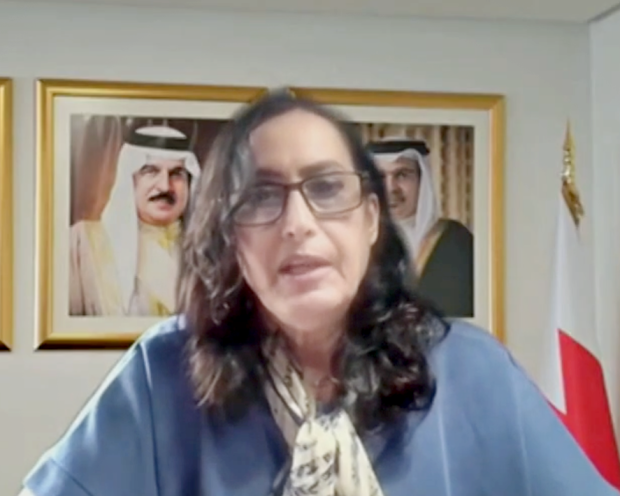
Government Hospitals chief executive Dr Mariam Al Jalahma revealed that it could take up to five years to significantly increase the number of Bahraini nurses, despite ongoing efforts to boost local recruitment.
She acknowledged that current intake levels are not sufficient to meet demand, even with graduates coming from three institutions – including the newly opened nursing programme at Arabian Gulf University.
“There is a clear need to strengthen the national workforce in nursing,” she indicated in her response, highlighting the importance of long-term planning to reduce reliance on expatriate staff.
The comments came as part of a wide-ranging discussion on healthcare services, with MPs submitting questions covering staffing, service delivery and future expansion plans.
Meanwhile, Primary Health Care Centres chief executive Dr Ejlal Al Alawi outlined efforts to enhance healthcare accessibility through both physical and digital channels.
She revealed that six mobile medical units are currently operating across Bahrain, delivering a broad range of services including general consultations, dental care, physiotherapy and nursing support.
“These mobile units are helping us reach more patients across different areas,” she said, noting that they recorded around 35,000 visits in 2025 alone.
In addition to in-person care, Dr Al Alawi highlighted the growing role of remote healthcare.
“We are expanding our services in person or remotely,” she said. “Phone consultation services are already available, and we have begun introducing a dedicated mobile application.”
The app has already been piloted at one health centre, where it proved successful, and there are plans to roll it out nationwide in the near future.
The updates reflect broader pressures on Bahrain’s healthcare system, particularly in staffing critical roles such as nursing, while demand for services continues to rise.
The other government replies focused on fraud, prices, religious and housing services alongside emergency response.
&uuid=(email))