

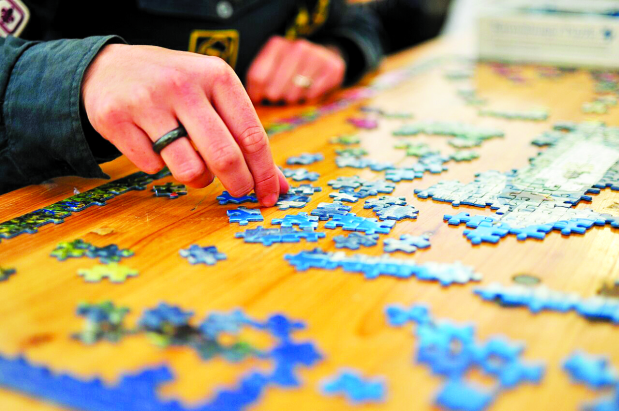
GULFWEEKLY: These indoor entertainers are sure to revive golden yesteryear memories while bringing back the old school charm of family get-togethers, says our resident pop culture enthusiast.
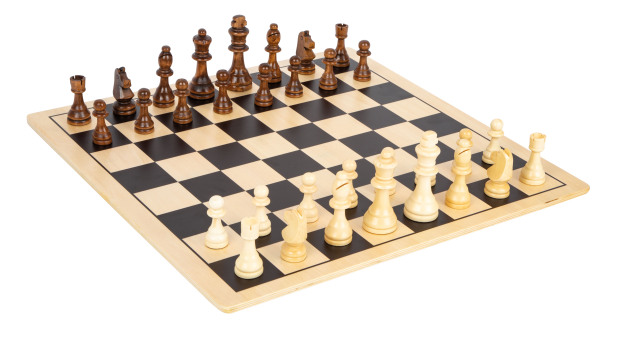
The recorded history of chess dates back to the emergence of Indian strategy game Chaturanga in the seventh century. Eventually it spread to the Arab world and Europe. The two-player strategy game regained mainstream popularity in 2020, with the Netflix series The Queen’s Gambit, as well as the rapid rise of accessible online platforms that allow people all over the world to play each other.
Played on a square board consisting of 64 squares arranged in an 8×8 grid, the game’s objective is to ‘checkmate’ the enemy king piece.
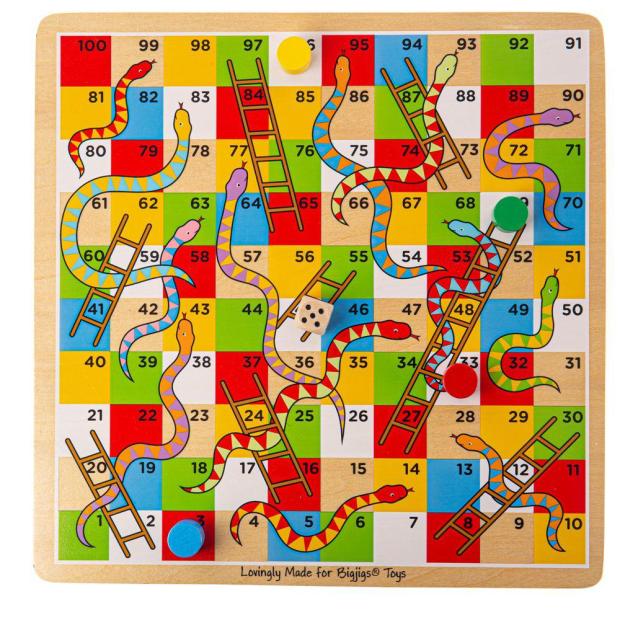
Snakes and Ladders
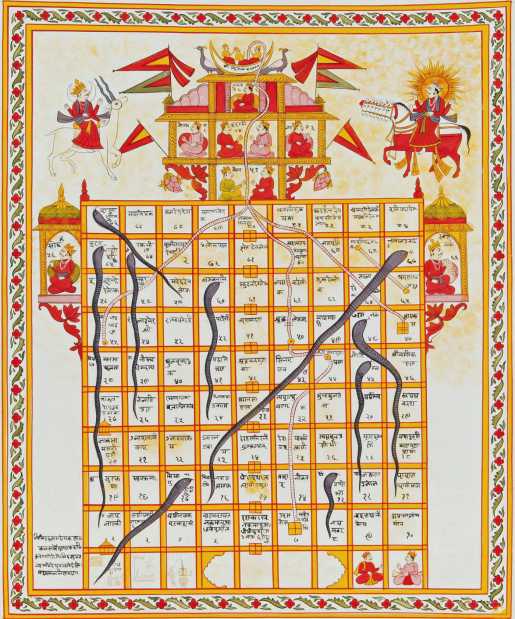
Historic: An older version of Snakes and Ladders
The game originated in ancient India as Moksha Patam (‘liberation lesson’), and was brought to the UK in the 1890s. The historic version had its roots in morality lessons, with a player’s progression up the board representing a life journey complicated by virtues (ladders) and vices (snakes).
Players must navigate their pieces according to die rolls, from the start (bottom square) to the finish (top square), helped by climbing ladders but hindered by falling down snakes.
Monopoly
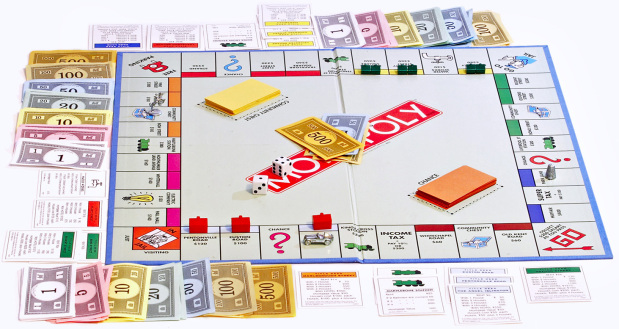
Named after the economic concept ‘monopoly’ – the domination of a market by a single entity – it is derived from The Landlord’s Game, which was created in 1903 in the US by Lizzie Magie, as a way to demonstrate that an economy rewarding individuals is better than one where monopolies hold all the wealth.
Monopoly has since become a part of international popular culture, having been licensed locally in more than 113 countries and printed in more than 46 languages.
It also has a number of variants based on other popular media such as movies, shows and video games.
Players roll two standard dice to move, buying and trading properties and railroads and developing them with houses and hotels.
Ludo
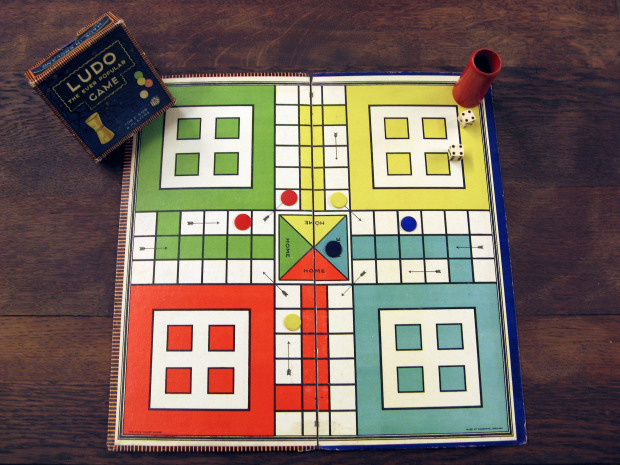
Ludo shares characteristics with other cross-and-circle designed games from around the world, including the pre-Columbian Mesoamerican Patolli, and the Indian Pachisi. It witnessed a resurgence in the Arab world around 2017, after many discovered smartphone applications that allowed them to engage with players around the globe.
Each player is assigned a colour and has four tokens, which they race from start to finish according to the rolls of a single die, on a board typically coloured bright yellow, green, red, and blue.
Jigsaw puzzles
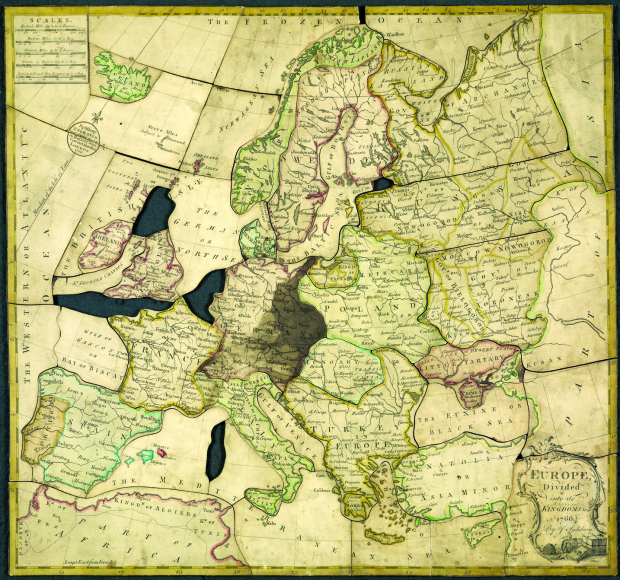
These were created in the 18th century by painting a picture on a flat, rectangular piece of wood and then cutting it into small pieces. The name ‘jigsaw’ is derived from the tools used to cut the images.
British cartographer and engraver John Spilsbury is credited as the inventor. His version, which he called ‘dissected maps’, were produced by mounting maps on sheets of hardwood and cutting along national boundaries to teach geography.
The tiling puzzle requires the assembly of often irregularly shaped interlocking and mosaicked pieces that form a full picture after completion.
&uuid=(email))