

Centres and organisations across Bahrain are adapting with resilience amid ongoing regional tensions, shifting to online learning and flexible strategies to maintain essential educational and therapeutic services.
From virtual classes to personalised support for children with special needs, they are ensuring beneficiaries remain supported and connected despite the challenges.
The Alia Autsim Centre, a specialised charity organisation providing comprehensive early intervention, evaluation, and education for children and adults with autism, has temporarily suspended its in-person services, moving instead to virtual classes.
Bahrain Society for Children with Behavioural and Communication Difficulties public relations head Khaled AlAwadhi told the GDN that the shift has presented challenges for its 165 students, aged six to 40.
Mr AlAwadhi
“We moved quickly to a virtual model, but the sudden transition has not been without difficulties,” he said.
“For children with autism, routine is critical. They depend heavily on structure, and unexpected changes can be overwhelming. That is why we are working closely with families to support them during this time.”
Disruptions to routine can cause distress, anxiety and behavioural responses such as meltdowns. Children with autism often rely on predictability to feel secure, and sudden changes can lead to confusion, withdrawal, or rigidity.
Despite these challenges, the organisation continues to offer live virtual classes, therapy sessions, personalised online programmes, as well as ongoing support and coaching for parents.
“It is not just students who are affected. Families are also experiencing anxiety as they adjust to new routines and cope with limited access to sensory-based and in-person support, which are vital,” Mr AlAwadhi explained.
Sensory-based support helps children process information from their surroundings, turning intense stimuli into manageable or even enjoyable experiences.
It also helps regulate the nervous system, while in-person interaction fosters the development of nonverbal communication, social skills and emotional bonds.
Looking forward, Mr AlAwadhi emphasised that the priority remains ensuring every student feels supported, engaged and connected.
“We are also preparing a smooth transition back to in-person services once the situation stabilises.”
The Bahrain Mobility International Centre, a non-profit, charitable organisation dedicated to rehabilitating, training, and integrating individuals with disabilities into Bahraini society, has transitioned its classes to an online format.
However, essential services such as physiotherapy and occupational therapy remain available.
“Beneficiaries continue to experience challenges, particularly in accessing medical and rehabilitation support,” board chairman Adel Almutawa told the GDN.

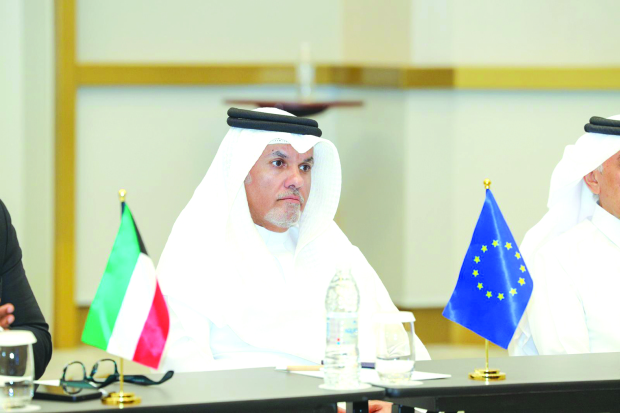
Mr Almutawa
Transportation has also been affected. The centre’s buses, which transport students and staff, are now restricted to essential use only, including trips to hospitals and other urgent requirements.
The centre has made all its resources available to support the government, including its buses and facilities, should they be needed.
“We are continuously monitoring the situation and remain committed to ensuring the safety of our beneficiaries and the continuity of our services, especially for persons with disabilities,” he said.
Mr Almutawa also expressed that the centre welcomes all forms of support during this period, whether financial or voluntary, and extended appreciation in advance for the community’s assistance.
Bahrain Down Syndrome Society, a non-profit supporting individuals with Down syndrome and their families, has moved to interactive online lessons, a transition that was relatively smooth for them, as they had already adopted this approach during the Covid-19 pandemic.
“All of our 250 students are receiving online learning, and around 30 per cent of our staff remain at the centre,” executive manager Ahmed AlAli told the GDN, noting that clear communication with families ensured there were no barriers to participation.

Mr AlAli
“Switching to online learning has been manageable for the time being, and each child continues to follow their own personalised programme.”
He added that children will also receive guidance from specialists for physical exercises over the phone, such as techniques to strengthen muscles and support overall development.
“Our centre caters to a wide age range, from children under one year to adults over 25, so each student participates in classes tailored to their individual needs with the appropriate instructors,” Mr AlAli explained.
The GDN previously reported that all educational institutions in Bahrain have transitioned to remote learning until further notice. Early learning institutions, public and private schools, and higher education institutions are operating online and on digital platforms.
For more information or to offer support, contact the Bahrain Mobility International Centre (39678053), Alia Autism Centre (17730960), or the Bahrain Down Syndrome Society (39446688).
julia@gdnmedia.bh
&uuid=(email))