

The United Nations Security Council has adopted a presidential statement at the conclusion of its high-level session on co-operation between the UN and regional and subregional organisations in maintaining international peace and security.
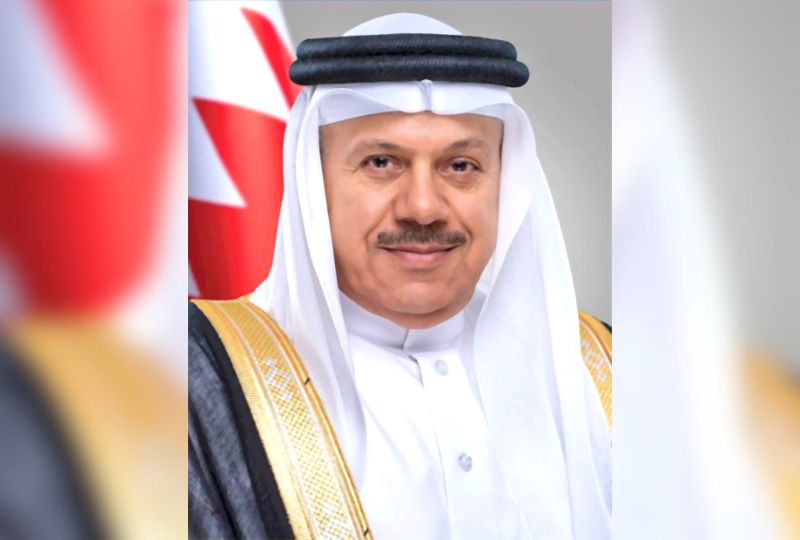
The session was chaired by Foreign Minister Dr Abdullatif Al Zayani, and underscored the importance of the strategic partnership between the UN and the GCC in supporting regional and global security and stability.
The statement reaffirmed that the Security Council bears primary responsibility for the maintenance of international peace and security, stressing the importance of strengthening institutional co-operation with regional organisations in accordance with Chapter VIII of the UN Charter.
Such co-operation contributes to conflict prevention, supports mediation efforts, promotes peace-building, combats terrorism, and enhances humanitarian response.
The council expressed appreciation for the role played by the GCC in supporting regional and international stability through mediation, preventive diplomacy and the provision of technical and financial assistance, as well as its contributions to humanitarian work and its support for peace initiatives.
The statement highlighted the strategic importance of the Gulf region within the global security architecture and the stability of the international economy, commending the contributions of GCC member states to peacekeeping operations and humanitarian efforts undertaken by the UN in various parts of the world.
The statement reaffirmed the Security Council’s commitment to respecting the sovereignty, independence, and territorial integrity of GCC member states in accordance with the principles of the UN Charter and international law.
It called for continued development of institutional partnership between the two sides in the coming phase in a manner that reinforces security and stability at both regional and international levels.
Meanwhile, as part of ongoing diplomatic efforts at the UNSC, Dr Al Zayani held a meeting at Bahrain’s Permanent Mission to the UN in New York with the permanent representatives of the GCC countries and Jordan.
He expressed his appreciation to the foreign ministers of the GCC states and Jordan for their continued co-ordination and close engagement in advancing diplomatic efforts at the Security Council.
“These efforts aim to secure the adoption of a consensus draft resolution on the protection of maritime navigation in the Strait of Hormuz,” he added.
The draft resolution, submitted by Bahrain on behalf of the GCC countries and Jordan, is currently before the council for consideration.
The minister also commended the permanent representatives for their effective diplomatic engagement and their ongoing consultations with Security Council members.
He highlighted the importance of the unified position of the GCC countries and Jordan, as well as the strong co-ordination among their representatives, in addressing current challenges.
He underscored the need for sustained diplomatic action in response to what he described as the continued disruption of international navigation in the Strait of Hormuz.
Dr Al Zayani also commended the level of co-ordination and dialogue with Security Council member states aimed at reaching agreement on a final draft resolution aligned with the shared objectives of the GCC countries and Jordan.
“These include the swift reopening of the strait to international shipping and mitigating the broader global impact of its closure on the world economy, energy security, international trade and the supply of essential goods, including food and medicine, while safeguarding regional security and stability.
The Foreign Minister stressed that, at this critical juncture, the GCC countries and Jordan bear a political responsibility to intensify diplomatic efforts and maintain close co-ordination with regional and international partners.
&uuid=(email))