

Animal charities and rescue groups in Bahrain are reporting a sharp rise in pet abandonment following the Iranian attacks on the kingdom, which triggered a period of heightened uncertainty and disruption.
Volunteers say the surge is largely driven by residents leaving the country in a hurry, often unable to take their animals with them due to financial constraints or the complex, time-consuming relocation process.
As a result, shelters and rescue organisations are facing mounting pressure, with many already operating at full capacity.
Project Rifq social media manager and rescue volunteer Eleri Boyesen told the GDN that the group alone has carried out around 50 rescues in the past month, with two to three new cases being reported every day.
“Unfortunately, due to the current situation, many people have had to leave in emergency, last-minute situations, which has led to pets being left behind,” said Ms Boyesen, a British expatriate who has lived in Bahrain for around five years.
She explained that many of the animals found on the street show clear sins of being abandoned rather than strays. “We know that they are not street animals because they often have collars, or are leash and litter-trained,” she said.
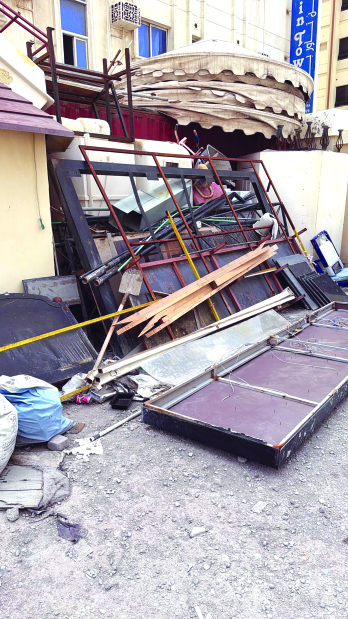
The site where the kittens were found
According to Ms Boyesen, a key factor behind the increase in abandonment was the closure of Bahrain’s airspace, which has now been reopened.
“Normally, many people would have flown out with their pets,” she said. “Instead, they had to travel through Saudi Arabia, where the requirements were more extensive and the process significantly more complicated.”
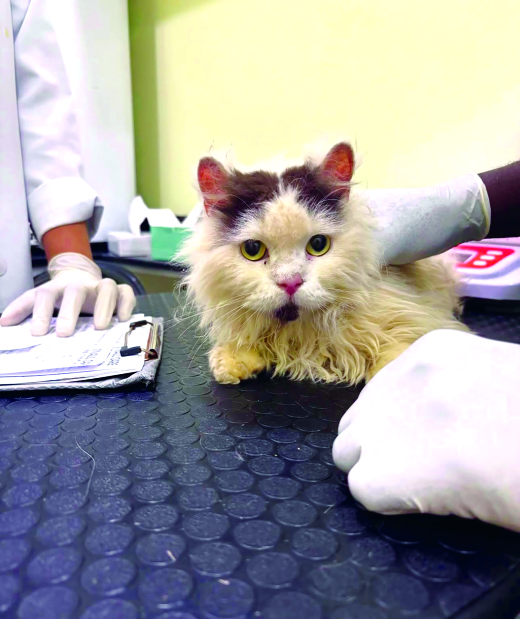
In a recent case, Project Rifq worked alongside Rescat Charity to rescue 18 fluffy Persian cats found abandoned at a site in the Gudaibiya area.
“Most of them were male, which suggests they may have come from a breeding operation,” she said, adding that it is likely the breeder left the country and abandoned the kittens.
The cats are now receiving care at veterinary clinics, while efforts are underway to find adopters or foster homes. However, Ms Boyesen noted that the situation remains challenging, as shelters and rescue groups have very limited capacity to take in additional animals.
“Although flights are gradually resuming, the past month has been extremely difficult,” she said. “With the airspace closed, it was nearly impossible to fly animals abroad for adoption.”
She also highlighted the growing financial strain on rescue groups, many of which rely heavily on public support to continue operating.
To help cover costs, Project Rifq is working to establish a thrift store and is urging the public to contribute through clothing donations.
Meanwhile, Rescat Charity founder Maha Alsahhaf said the organisation has encountered cases where pets were left behind in homes, locked inside without food or water.
“Unfortunately, lack of preparedness, particularly when it comes to microchipping, vaccinations and misunderstandings about travel options are among the main reasons for the spike in abandonment,” said Ms Alsahhaf.
She added that some owners assume shelters or volunteers will step in and take responsibility for the animals.
“Situations like this are made worse by the absence of mandatory microchipping linked to residency or travel documentation, which means there is currently little accountability for pet owners who leave the country without their animals,” Ms Alsahhaf explained.
“Most rescue work in Bahrain is done by individuals or small groups, not large, funded shelters. Vet bills, foster space and supplies quickly become overwhelming, and many rescuers struggle to cover costs.”
Ms Alsahhaf urged residents who are unable to care for their pets not to abandon them, but instead seek help from family, friends, social networks or rescue groups.
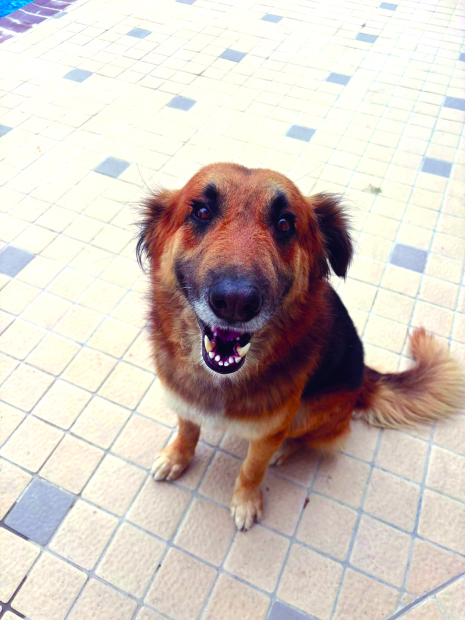
Abandoned dog Lucky who was recently rescued in Sitra
“Even though most people are at full capacity, it is always better to reach out – someone may still be able to help with fostering or rehoming,” she said. She also encouraged support for Trap Neuter Return programmes, which play a crucial role in reducing stray populations. “Even donating BD20 to help spay or neuter an animal can make a difference,” she added.
“Abandoning a pet during a crisis doesn’t solve a problem, it creates another victim. These animals depend entirely on humans for survival, and when they’re left behind, it is volunteers who are left picking up the pieces, often while struggling with mounting veterinary debts.”
- For more information on how to help or get involved, follow @project.rifq and @rescatofficial on Instagram.
julia@gdnmedia.bh
Read more:
Man jailed for three years over possession of fake 500 riyal note
Pet abandonment rises sharply after Iran attacks
Three arrested over sale and trafficking of drugs worth BD1.5m
Experts call for regular immunisation of elderly
&uuid=(email))