

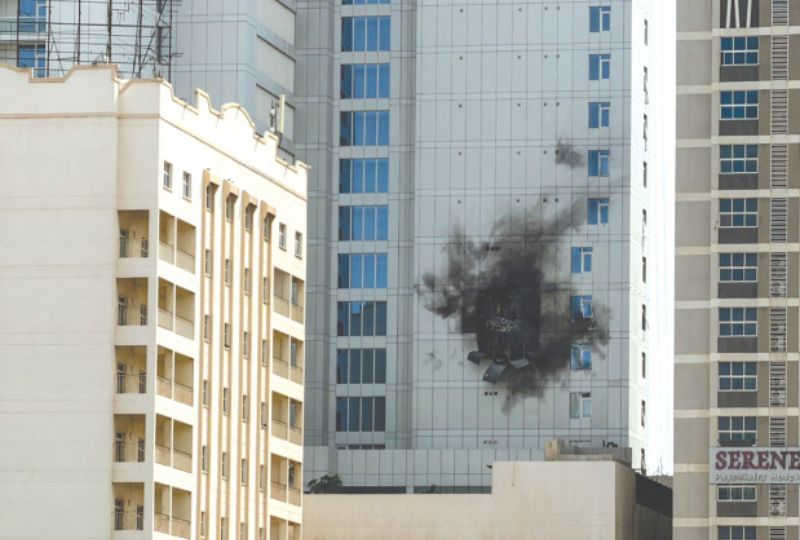
Bahrain’s busiest residential and lifestyle district, Juffair, is rapidly rebounding from the impact of recent Iranian aggression, with occupancy in some buildings now exceeding 90 per cent, according to Capital Trustees Board member and real estate developer Dr Bashar Ahmedi.
Speaking during a board meeting, he said the swift recovery following regional tensions highlights the resilience and stability of Bahrain’s property market.
He attributed this to the absence of speculative activity and the dominance of long-term buyers, which have helped shield prices and rents from sharp fluctuations.
“Bahrain’s market is protected because most buyers are either end-users or long-term investors,” he said.
“In other countries, speculation can account for up to 50pc of transactions. Here, that simply doesn’t exist – and that is why prices remain stable and investors feel secure.”
Citing data tracked across seven residential buildings in Juffair, Dr Ahmedi said occupancy at Orchid Tower has reached around 92pc, while Terraces Building stands at 75pc, with figures continuing to rise week by week.
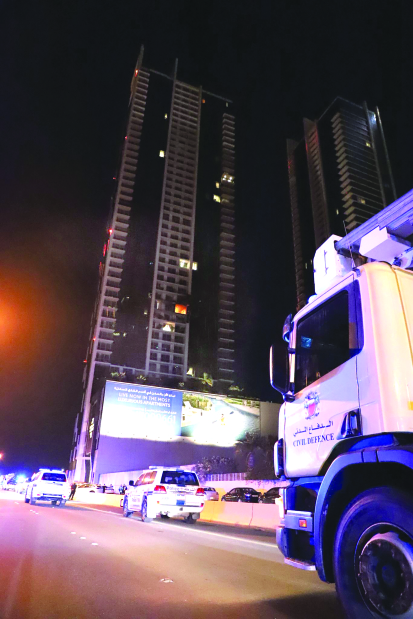
The Iranian attack on a high-rise building in Juffair
“In most buildings, occupancy has already crossed 60 to 70pc and continues to climb,” he added. “Some projects are nearing full occupancy again.”
Dr Ahmedi stressed that Bahrain currently offers some of the highest real estate returns globally, with annual yields reaching up to 8pc.
“That is far above what investors receive in major markets like London, Dubai or cities in the US, where returns typically range between 2pc and 5pc,” he said.
He added that Bahrain’s competitive pricing is a major draw.
“Here, you can buy a property for BD50,000. In global cities, you may need half a million just to enter the market at a similar level.”
A key advantage, Dr Ahmedi noted, is Bahrain’s streamlined property transfer system.
“You can complete ownership transfer electronically on the same day through the notarisation office, without complex legal procedures or mandatory lawyer involvement, as seen elsewhere,” he said.
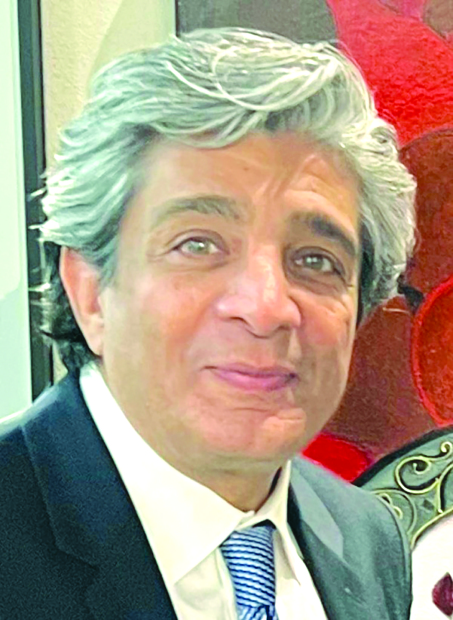
Dr Ahmedi
He also cited Bahrain’s high quality of life, safety, welcoming culture, proximity to the airport and relatively low cost of living compared with other GCC countries as strong pull factors for tenants and investors alike.
Despite these positives, Dr Ahmedi believes Bahrain is not marketing itself enough internationally.
“There is still very limited global awareness about where Bahrain is and what it offers,” he said. “We need chambers of commerce and embassies to actively promote Bahrain’s real estate opportunities and the Golden Visa programme at international exhibitions.”
He also called for tighter regulation of who can undertake property development.
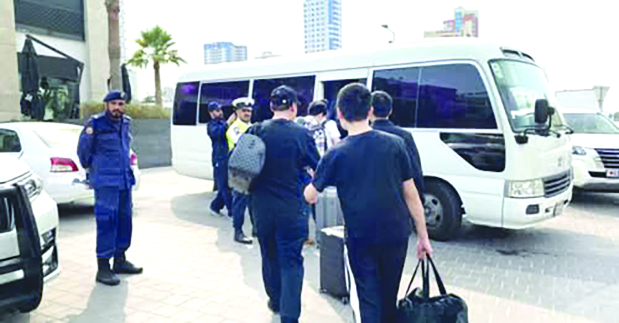
Residents who were evacuated from Juffair in March to a shelter in Manama following the attacks
“Development activity should be limited to experienced companies and investors to maintain quality, control costs and avoid market imbalances caused by inexperienced developers,” he said.
For Dr Ahmedi, the core strength of Bahrain’s property sector remains its stability.
“This market is not driven by hype or speculation. It is driven by genuine demand for living and long-term investment,” he said. “That’s why Juffair has recovered so quickly – and why Bahrain continues to offer one of the safest property investment environments in the region.”
mohammed@gdnmedia.bh
&uuid=(email))