

A new comprehensive genomic test has been launched in Bahrain to provide highly accurate analysis of genetic material in a single examination, aiming to accelerate diagnosis and improve patient care.
The test was introduced by the Molecular Genetics Laboratory at the Princess Al Jawhara Al Ibrahim Centre for Molecular Medicine, Genetics, and Genetic Diseases at Arabian Gulf University.
The centre’s director Dr Amani Aweidah said the new test represents one of the most advanced technologies currently available.
“It combines whole-exome sequencing of DNA, whole-genome mitochondrial DNA analysis, along with the detection of copy number variations (CNVs) and large genomic alterations,” she said.
“This comprehensive approach gives doctors a much deeper and more accurate understanding of a patient’s genetic profile compared to conventional genetic testing.”

Dr Aweidah
Dr Aweidah explained that the test is designed for patients with unexplained growth or developmental delays or intellectual disabilities, or those with congenital anomalies, suspected genetic disorders or rare diseases, as well as cases that remain undiagnosed after conventional testing.
“The test offers flexible options, including solo testing, duo testing with one parent and trio testing with both parents,” she said, adding that these options enhance diagnostic accuracy and improve interpretation of the results.
“The test can identify disease-causing pathogenic genetic variants or those potentially associated with the condition, as well as uncertain variants and clinically significant secondary findings,” she added.
She explained that the technology helps reduce the need for multiple genetic tests by providing comprehensive clinically applicable results that adhere to the highest quality standards, confidentiality and ethical practice.
However, she noted that while the test is highly advanced, it may not detect every type of genetic variation, and some cases may require additional testing. Low-frequency mitochondrial variants may also remain undetected.
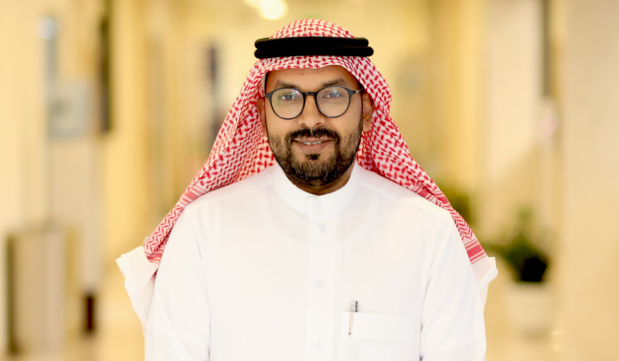
Dr Maddin
Dean of the College of Medicine and Health Sciences at Arabian Gulf University Dr Mohammed Maddin said the introduction of this technology highlights the importance of collaboration between academic institutions and healthcare facilities.
“It supports scientific research, medical education, and contributes to the development of national capabilities, in line with the latest advancements in the fields of genetic diagnosis and precision medicine,” he said.
&uuid=(email))