

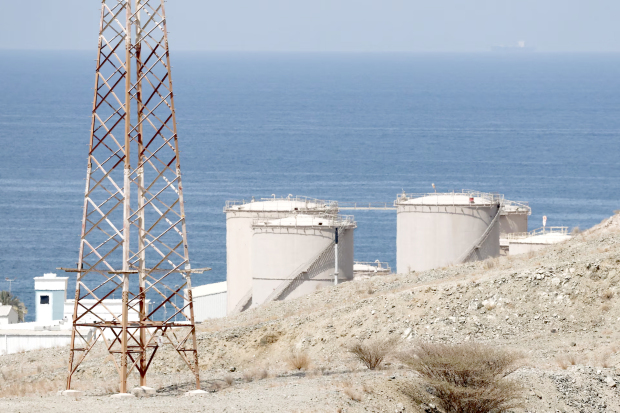
OMAN’S natural gas output rose 1.3 per cent to 8.77 billion cubic metres by the end of February, as higher oil production and exports offset weaker crude prices.
Total gas production, including imports, increased from 8.65bn cubic metres a year earlier, according to data from the National Centre for Statistics and Information, as reported by the Oman News Agency.
The gain was driven by non-associated gas output, which rose 4.3pc to 6.94bn cubic metres. Associated gas production – linked to oil extraction – declined 8.5pc to 1.83bn cubic metres.
Amid persistent geopolitical tensions in the Middle East, Oman’s energy sector continues to adapt, with modest growth in gas production and oil output reflecting efforts to maintain supply stability despite shifting market conditions.
“At the consumption level, natural gas consumption in industrial projects increased by 6.2pc to 4.88bn cubic metres by the end of February 2026, compared with 4.59bn cubic metres in the same period of 2025,” ONA reported.
Gas consumption in power generation plants increased by 13.2pc to about 2.26bn cubic metres, compared with 1.99bn cubic metres in the same period last year.
Gas consumption in oil fields, including losses, metering differences, and shrinkage factors, declined by 20.8pc to 1.60bn cubic metres, compared with 2.02bn cubic metres in the same period of 2025.
Gas used in industrial zones, including industrial estates, Oman Mining Co, and Oman Cement, fell by 29.9pc to 31.6 million cubic metres, compared with 45.1m cubic metres in the same period of 2025.
Oil sector data pointed to stronger volumes. Crude exports rose 2.2pc to 50.31m barrels by the end of February, while total production increased 3.8pc to 60.46m barrels.
Average daily output climbed to about 1.02m barrels per day, up from roughly 987,000 barrels per day a year earlier.
However, average Omani crude prices fell 13.1pc to $63.3 per barrel, compared with $72.8 in the same period of 2025, reflecting softer global market conditions.
&uuid=(email))