Bahrain will have sufficient supplies of livestock and meat as the kingdom celebrates Eid Al Adha this week, it has been affirmed.
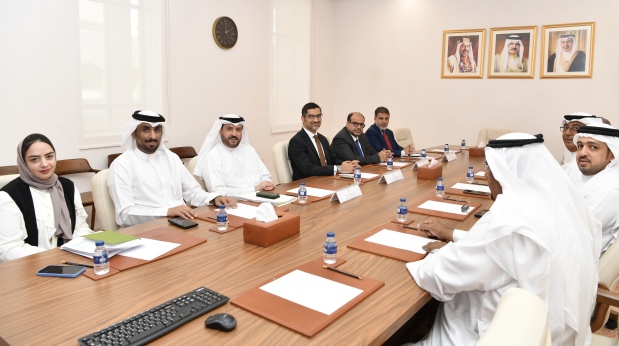
Municipalities Affairs and Agriculture Minister Wael Al Mubarak yesterday met livestock breeders and traders, along with Agriculture Under-Secretary Assem Abdullatif, to assess market readiness and ensure steady availability across the country.
More than 35,000 animals and 6,000 tonnes of meat have already been brought in, with efforts continuing to support traders by easing import procedures and strengthening supply chains.
“The ministry is committed to strengthening food security and ensuring the local market has sufficient quantities of livestock and meat during Eid Al Adha,” Mr Al Mubarak said.
“We are continuing co-ordination with breeders and traders to maintain smooth imports and provide all necessary veterinary and health safeguards.”
The minister also underlined the importance of strict veterinary checks on imported livestock to protect public health and ensure food safety standards are maintained.
Mr Abdullatif revealed that approximately 32,642 sheep, 2,429 cattle and 130 camels had already arrived in Bahrain ahead of Eid. In addition, authorities imported 2,014 tonnes of chilled and frozen red meat along with 4,226 tonnes of chilled and frozen poultry meat.
“Additional shipments are expected over the coming days to meet rising demand during Eid Al Adha,” he said.

Charity campaigns to provide meat to needy families
He explained that the ministry had diversified import sources and opened multiple supply channels from several countries to strengthen market stability and avoid disruptions.
Veterinary and technical teams have also launched extensive inspection campaigns covering ports, airports, quarantine facilities and slaughterhouses.
Mr Abdullatif said specialist veterinarians and technicians would supervise slaughtering procedures and conduct inspections before and after slaughter to ensure meat is safe for human consumption. Slaughtering operations will be carried out at licensed facilities including the Hamala Abattoir and the Bahrain Livestock Company abattoir in Sitra.
“The ministry continues round-the-clock inspections at all official entry points including Khalifa Bin Salman Port, Bahrain International Airport and King Fahad Causeway,” he said.
“All imported consignments undergo laboratory testing and strict veterinary procedures in line with Bahrain’s health requirements.”
Mr Abdullatif urged citizens and residents to use only licensed slaughterhouses during Eid and avoid random slaughtering practices due to potential health and environmental risks.
Inspection campaigns, he added, would continue throughout the holiday period to ensure full compliance with health and safety regulations.
For their part, livestock breeders and traders praised the facilities and measures provided by the ministry to support import operations, commending the ministry’s commitment to continuous co-operation with those working in the sector, which contributes to maintaining local market stability and ensuring the availability of livestock in the required quantities.
Several social and charity societies provide services to help needy families, with people either buying a full lamb or sheep or making partial contributions.
mohammed@gdnmedia.bh