

GULF WEEKLY -
Grammy-winning British singer Charli XCX drops her new album Music, Fashion, Film tomorrow.
The collection features the artist’s signature experimental pop-oriented style and auto tune over guitar riffs, electronic drums and synthesiser lines as heard on its lead single Rock Music, which released in May.
The musician discouraged views that her record will fully embrace the rock direction, stating she does not think of genre in a ‘binary way’.
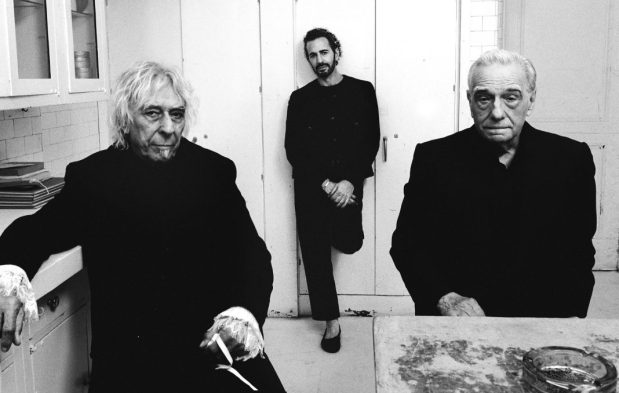
In an interview, Charli spoke about the album cover, which features rock band Velvet Underground founding member John Cale, fashion designer Marc Jacobs and filmmaker Martin Scorsese. They represent each art form on the title and reflect the artist’s personal inspirations.
Aidan Zamiri, who previously helped the artist bring alive many music videos, as well as a full length mockumentary film, shot the photo.
“It was like this out-of-body experience,” Charli said, recounting a moment between Aidan and her after the shoot.
“I turned to him and I was like, ‘I think this is what shook means’. To have these three legends in this room being willing to come together for this album cover, to be shot by somebody who is an up-and-coming filmmaker and photographer – who they don’t particularly know very well – but were willing to trust, for them to trust me, it was really cool,” she added.
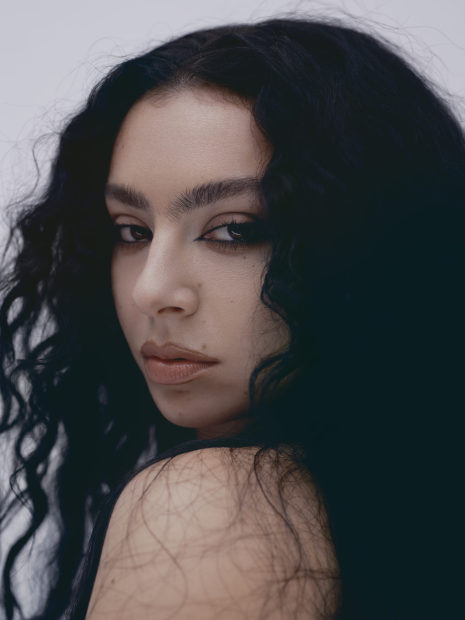
Artist: Charli XCX
Charli commended her fans’ creative interpretations of the album cover, featuring their personal role models in music, fashion and filmmaking.
“It’s kind of fun seeing everybody else’s interpretations of that, and of course there are so many versions of that for me too. So I just feel really happy to have shared it with the world,” she noted.
This is not the first time a Charli release has sparked online discourse. Her previous project Brat (2024) included a minimalistic cover with the title in black lowercase letters over an ‘obnoxious’ lime-green background.
Creating confusion at first, it eventually started a fashion movement, with fans wearing ‘Brat green’ as a nod to the music and to recognise each other in public.
The album’s instrumental aesthetic and confessional lyrics even produced the ‘brat summer’ phenomenon, which, at its core, was about ‘messy and imperfect self-acceptance’.
&uuid=(email))