

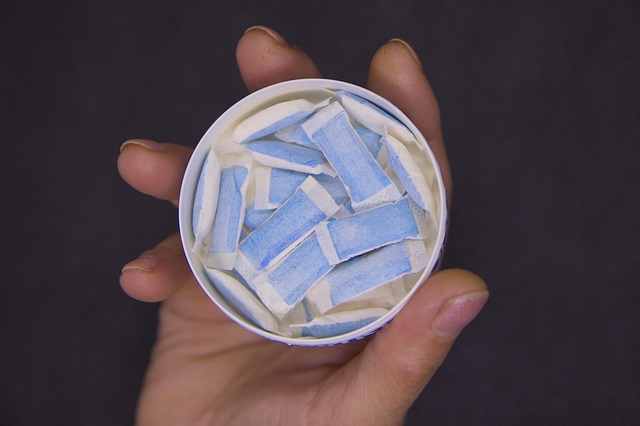
A warning has been issued over the potential health risks of oral nicotine pouches, which are gaining traction in Bahrain, with medics cautioning that they may affect the heart, brain and oral health.
They said marketing terms such as ‘tobacco-free’ and ‘smoke-free’ could create a misleading impression about their safety.
Nicotine pouches are small sachets placed between the upper lip and gum, allowing nicotine to be absorbed directly into the bloodstream through the lining of the mouth. They are typically used for around 15 minutes and are available in varying strengths and flavours.
Their growing popularity is driven by the absence of smoke or vapour, modern branding, and discreet, pocket-friendly packaging that enables use in a wide range of settings.
While cigarette smoking is increasingly viewed as a habit of the past, doctors warn that newer nicotine products are often perceived as safer alternatives despite still carrying significant health risks and lacking sufficient long-term research.
Awali Hospital consultant pulmonologist Dr Mirjana Drvenica told the GDN that some pouches contain nicotine levels comparable to, or even higher than, cigarettes. In stronger products, users may be exposed to substantial nicotine intake over extended periods.

Dr Drvenica
“In relative terms, pouches may be less harmful than smoking cigarettes, but they can still affect the cardiovascular system, the developing brain and oral tissues,” she said. “There are also long-term risks that are not yet fully understood, as they are a relatively new product.”
She added that potential long-term effects include gum recession, chronic irritation at the site of placement, mouth sores, inflammation of the oral mucosa, changes in saliva production and an increased risk of periodontal disease.
Short-term side effects may include mouth and gum irritation, a burning sensation under the lip, hiccups, nausea, dizziness, increased heart rate, elevated blood pressure and headaches.
A 2025 study published in PubMed, titled ‘Nicotine Pouch Pharmacokinetics Compared to Smoked Tobacco: A Systematic review and Meta-analysis’ found that although nicotine absorption from pouches is slower than from cigarettes, a standard 4mg pouch may deliver around 92 per cent of the total nicotine exposure of a cigarette.
Dr Drvenica said several factors were driving increased use, particularly among young people.
“Stricter smoking regulations have encouraged the development of discreet alternatives that produce no smoke or odour, making them easier to use in indoor and social settings without drawing attention,” she said.
Flavours and branding also play a key role in their appeal, with options such as mint, citrus, coffee, berry and tropical varieties, while sleek packaging often resembles lifestyle or wellness products.
“This design approach can make the products easier to conceal in places such as schools, workplaces, or homes,” she said.
She stressed that adolescents are especially vulnerable to addiction as teenage brains are more sensitive to reward and reinforcement pathways, allowing dependence to develop more quickly even with lower exposure.
Supporting this concern, American Mission Hospital pulmonologist Dr Chellaraja Chellasamy told the GDN that nicotine use at a young age significantly increases the difficulty of quitting later in life.

Dr Chellasamy
He cited a large-scale study showing that around 90pc of adult smokers had their first cigarette before the age of 18.
“When nicotine use begins, it becomes deeply integrated into the body’s nervous, muscular, and cardiovascular systems, which can make quitting a difficult process for many users,” he said. “Craving, or an intense desire for nicotine, is also a central part of dependence.”
He added that cravings could be managed through practical strategies such as deep breathing, chewing mints or crunchy snacks, staying hydrated, or going for a walk or jog.
Given the risks, Dr Chellasamy said prevention was as important as treatment and called for awareness programmes to begin at school level.
“These could include student-led discussions, community activities, and broader health awareness campaigns focused on the risks of nicotine use,” he said.
He also called for stricter regulation, including banning the sale of tobacco products near schools and other educational institutions to limit access.
According to World Health Organisation’s global report on Trends in Prevalence of Tobacco Use (2000-2030), around 16pc of Bahrain’s population smoked or consumed tobacco products in 2022. This translates to about 211,000 people aged 15 and above – 192,000 males and 19,000 females.
Globally, an estimated 2.5pc to 7.8pc of adults currently use nicotine pouches. While overall prevalence remains relatively low, growth has been rapid, driven mainly by young men and existing tobacco or vaping users.
julia@gdnmedia.bh
How to successfully quit the habit
Many people believe quitting nicotine can be achieved in a matter of days or a couple of weeks, but experts say the process is far more complex.
Nicotine changes the brain’s reward system by attaching to specific receptors in the brain, which triggers repeated releases of dopamine – the chemical linked to pleasure and reward. Over time, the brain becomes used to these artificial dopamine spikes and starts to rely on nicotine to trigger them.
Dr Drvenica explained that successfully quitting nicotine requires patience, preparation, and an understanding of what the body goes through during recovery.
She outlined a typical timeline of withdrawal and healing:
First 24 hours
Nicotine levels in the body begin to drop rapidly. Heart rate and blood pressure start to improve, but cravings can be intense.
Day two and three
Nicotine is largely cleared from the body. This is typically when withdrawal symptoms peak, with irritability, restlessness, and strong cravings being most common.
Week one and two
Circulation and energy levels may begin to improve. Some people notice sharper taste and smell, while brain receptors continue adapting to the absence of nicotine.
One to three months
Cravings usually become less frequent. Exercise tolerance may improve, and physical dependence begins to weaken significantly.
Six months to one year
Many former users report improved breathing and stamina. Triggers become easier to manage, and the risk of relapse decreases, although occasional cravings may still occur.
Dr Drvenica noted that while the timeline varies between individuals, understanding these stages can help users better prepare for withdrawal and improve their chances of successfully quitting.
&uuid=(email))