

Bahrain played a key role in supplying life‑saving medication to Kerala after the southern Indian state was placed on high alert following its first confirmed Nipah virus case of the year.
A 43-year-old man tested positive for the virus in Kozhikode last week, prompting authorities to act swiftly to secure critical antiviral drugs that were unavailable locally.
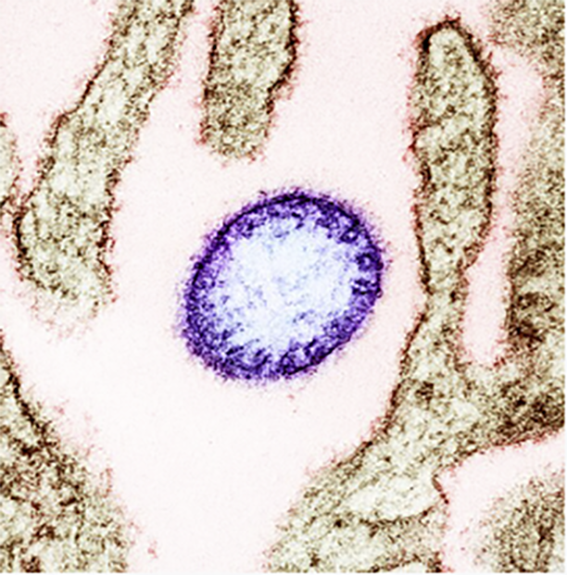
Nipah is a rare but potentially fatal virus carried by fruit bats, mainly found in South and Southeast Asia. It can spread to humans through infected animals, contaminated food or close contact with an infected person.
To address the shortage, Bahrain urgently supplied the antivirals Remdesivir and Ribavirin, which have since been distributed across affected districts to ensure treatment can begin immediately if new cases emerge.
So far, no additional infections have been reported.

Mr Satheesan
Kerala Chief Minister V D Satheesan said all necessary measures had been taken to maintain adequate medicine supplies.
“A very important medicine needed for Nipah – Ribavirin – was not available here. We resolved the issue by bringing it from Bahrain within 24 hours,” he said.
“It was flown in on an emergency basis, and that is how we addressed the situation. If there is any shortage of medicines, we will address it.”
He added that the drug had been distributed to all required centres and that sufficient stock had been secured.
“It is a very important medicine, especially since Nipah outbreaks can occur during this season,” he explained.
Nipah outbreaks in Kerala typically occur between April and September, a period marked by hot, humid weather and monsoon rains, which coincide with increased fruiting of trees and heightened activity by fruit bats – the virus’s natural carriers.

Mr Muraleedharan
Kerala Health Minister K Muraleedharan said emergency supplies of Remdesivir were also sourced from Bahrain after domestic stocks could not be obtained in time.
“The first batch of 50 vials arrived in India and was immediately transported to Kozhikode, where the state’s only confirmed Nipah patient remains in critical condition,” he said.
Mr Muraleedharan said no new Nipah cases have been detected so far.
Eleven symptomatic individuals identified through contact tracing were tested, all returning negative results.
A total of 30 tests have been conducted, with 29 negative and only the index patient testing positive.
According to the minister, 100 people are currently on the contact list, including four classified as highest risk, 14 as high risk, and 82 as low risk. Of these, 44 are healthcare workers.
Nipah infection typically presents within three to 14 days, with symptoms such as fever, headache, cough, sore throat and breathing difficulty. In severe cases, it can lead to encephalitis – swelling of the brain – causing confusion, drowsiness and seizures.
Patients with severe illness may fall into a coma within 24 to 48 hours. The disease carries a fatality rate of between 40 and 70 per cent, making early detection and treatment critical.
julia@gdnmedia.bh
&uuid=(email))