

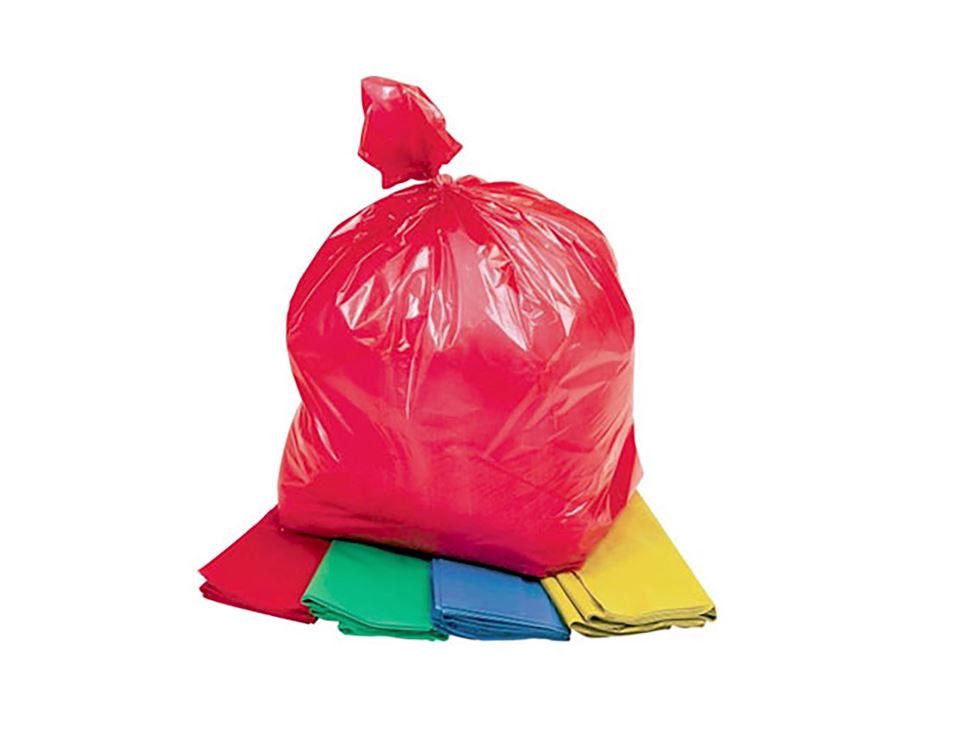
‘We do not inherit the Earth from our ancestors; we borrow it from our children.’ This is the famous Native American Proverb withholding the Navajo wisdom.
If plastic bags had feelings, they’d probably be flattered by how obsessively we humans cling to them. Sadly, they don’t – but the planet certainly does, and it’s getting quite fed up.
Educating future teachers requires periodically making them reflect on how our habits impact our environment.
The article, ‘Plastic bags clamp in new green push’ (February 24), was used in class to help students discuss and summarise its main idea.
Out of 65 who responded to the three questions asked, 91 per cent agreed on the harmful impact of plastic bags, 74pc agreed to carry their own bags; nevertheless, all offered a refreshingly direct message: plastic bags must go. Their ideas echo a global chorus—ban them, charge for them, shame them, swap them, recycle them, do anything but hand them out like free candy.
Many argue that the most effective solution is simply to ban plastic bags outright. After all, if shops can stop offering them, shoppers will stop using them. Others propose the tried‑and‑tested strategy used worldwide: charge a fee. Nothing quite persuades the public like the threat of an unnecessary dent in their wallets.
Students also emphasise raising awareness in schools, supermarkets, media and homes. After all, if people understood that plastic bags choke turtles, clog drains, and hang around for a casual 1,000 years, perhaps they would think twice before taking five bags for one sandwich.
A popular alternative is to promote reusable cloth or tote bags, making them affordable – or better yet, free.
Several students highlight a real economic concern: eco‑friendly options are often costly. So, they suggest governments and businesses step up, offering cheaper, practical substitutes.
The message is clear enough to fit on a reusable bag: Educate. Regulate. Replace. Repeat.
Plastic bags are convenient for a moment; their damage lasts a lifetime. It’s time to let them go – preferably not into the ocean.
Neesha Khan Malik
&uuid=(email))