


A major medical conference that will discuss the impact of artificial intelligence on clinical decision-making, patient outcomes, bioinformatics and emergency triage will be held in November at the Gulf Hotel in Manama.
Being organised by the Arabian Gulf University (AGU) from November 5 to 7, the event will feature an elite group of experts, academics and specialists from the region and around the world.
It will showcase latest innovations and practical applications of smart technologies in various fields of medicine.
The opening ceremony will be held in the presence of Supreme Council for Health chairman Lieutenant General Dr Shaikh Mohammed bin Abdulla Al Khalifa.
“The conference will reflect accelerating trends towards integrating AI technologies into the healthcare system by discussing advanced solutions in multiple fields,” the university said in a statement.
This includes cardiovascular diseases, diabetes, medical education and genomics, thereby contributing improving the quality of healthcare services and enhancing their efficiency.
AGU has held a series of meetings as part of ongoing preparations for the conference, with the aim of ensuring organisational readiness and seamless co-ordination of the various logistical and scientific aspects.
University vice-president for academic affairs and scientific research Dr Ghazi Al Otaibi explained that the conference’s programme includes advanced topics focusing on the use of AI in the prevention of heart disease and the prediction of its risks.
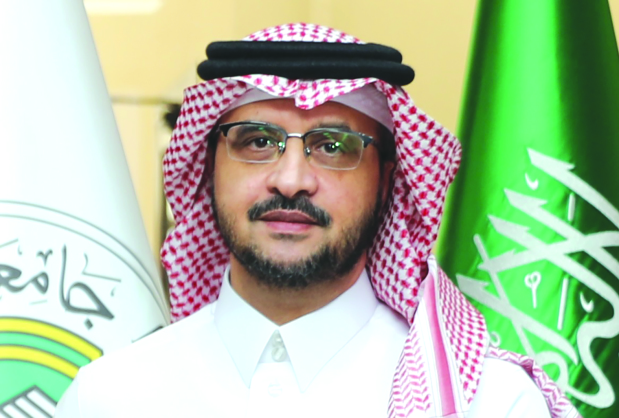
Dr Al Otaibi
“Discussions will include supporting the care of patients with diabetes and obesity through continuous monitoring systems and personalised treatment, in addition to the development of medical imaging technologies and the improvement of their diagnostic accuracy,” said Dr Al Otaibi.
“Additionally, sessions will address the applications of AI in emergency and intensive care units, including intelligent patient triage, early detection of critical conditions, and the personalisation of treatment plans.
“All of this will enhance the speed of medical response and improve the quality of healthcare.
“The discussion will also extend to the ethical and regulatory aspects associated with the use of AI in the healthcare sector, with a focus on protecting patient privacy and ensuring the safe and responsible use of modern technologies.
“It will also look at the role of AI in advancing nursing, medical education and precision medicine through support for clinical decision-making, remote monitoring applications and the training of digitally skilled healthcare professionals capable of keeping pace with rapid technological transformation.
“There will also be a session dedicated to medical students that explores AI applications in medical education.”
The first day of the event will kick off at 8am with talks on ‘AI-Enabled Cardiovascular Risk and Prevention’ by Prof Abdulla Shehab from the UAE.
Other lectures include talks on ‘Evidence-Based Pharmacologic Strategies for Cardiovascular Disease Prevention’ by Salmaniya Medical Complex’s (SMC) Dr Khalid Bin Thani and ‘AI Applications in Cardiac Arrhythmia Detection’ by Mohammed Bin Khalifa Bin Salman Al Khalifa Specialist Cardiac Centre’s Dr Mohamed Amin.
Day two will open with a keynote lecture by Prof Enrico Coiera from Australia, and will include a session on ‘AI as a Partner in Nursing’ by SMC’s Narjis Yusuf and talks on ‘Artificial Intelligence in Primary Care’ by the Royal College of Surgeons in Ireland (RCSI) Medical University of Bahrain’s Dr Ghofran Jasem.
The third and last day will include lectures by multiple speakers on ‘AI in ECG Interpretation’, ‘AI in Clinical Research’ and ‘AI in Healthcare’.
Bahrain has recognised the importance of AI in streamlining processes and informing strategic decision-making across businesses in all industries, taking steps in its study and application in a range of fields.
This includes using AI to detect changes and construction violations using satellite imagery, developing AI-powered chatbots, automatic monitoring of all palm trees, initiatives in education and training, including AI degree programmes in universities and vocational institutions, university AI labs, and hackathons, which offer youth opportunities to gain knowledge.
The GDN reported last year that the Labour Fund (Tamkeen) had launched a national initiative to train 50,000 Bahrainis in AI skills by 2030.
Early registration for the event is open until October 1 and can be done on the conference’s website (aimedconf.agu.edu.bh/registration/).
nader@gdnmedia.bh
&uuid=(email))