

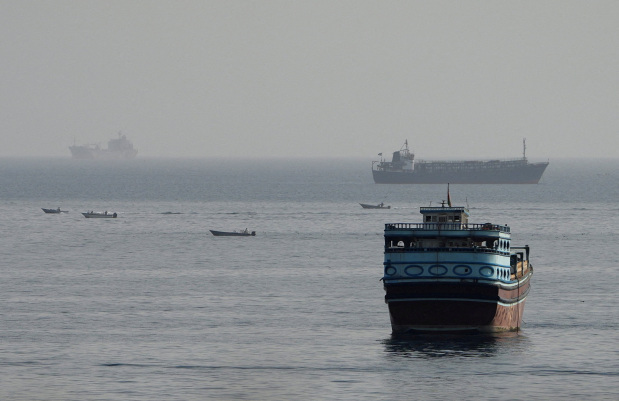
Given repeated aggressive statements by Iranian officials against GCC countries, it can be concluded that Iran will remain a never-ending threat. Iranian officials have repeatedly said that their country will continue to control the Strait of Hormuz, and have also asserted that the pre-war freedom of navigation in the strategic waterway will not be restored.
The conditions set by Iran’s Supreme National Security Council for reopening the Strait of Hormuz make this conclusion most likely. They are another signal that Iran’s policies will continue to seek to dictate to these countries the shape of their relations and alliances with other nations.
Recent developments have also proven that Iran’s proxies in Yemen and Iraq are part of Tehran’s threat to the GCC countries, as reflected in military attacks by the Houthis and pro-Iran militias in Iraq against Saudi Arabia.
Iranian officials have repeatedly stated that any prospective US military strikes against Iranian territories would result in Iranian moves to destabilise and foment insecurity in the whole region. This is yet another factor that shows that it is very likely that Iran will continue to be a threat to GCC nations.
Iran’s threats and military attacks against the GCC countries have been in line with its antagonistic policies against them over the past decades. These policies have persisted in spite of repeated reconciliatory gestures and moves by the GCC leaders and officials towards Iran.
The response to this situation should include accelerating the process of setting up not only a political GCC Union, but also a GCC military alliance, to bring about a regional military balance that puts an end to Iran’s continued threats, which have turned into military aggression against GCC countries after the US war on Iran.
Another factor that can put an end to threats and any future military aggression by Iran against GCC countries is a regime change in Iran – a matter that should be left to be achieved by the Iranian people who have suffered the most over the past decades because of the policies of such a regime.
Saad A Hafez
&uuid=(email))