

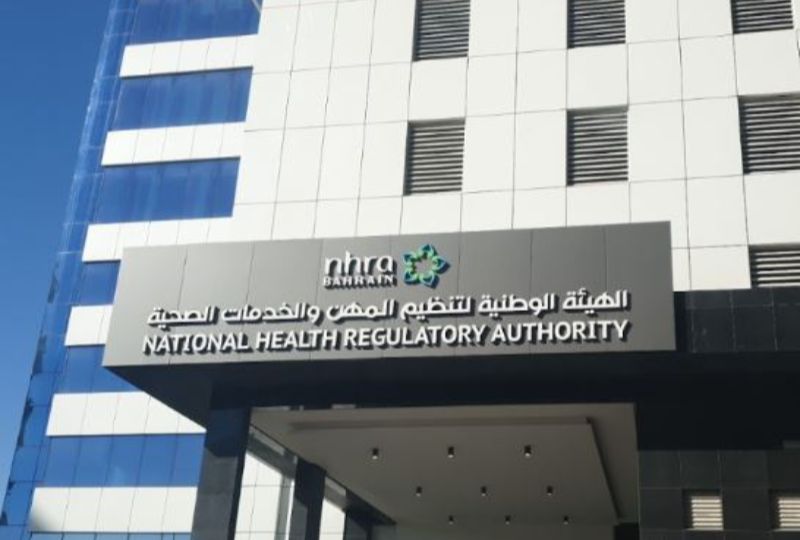
Three digital services have been developed by the National Health Regulatory Authority (NHRA) to enable health establishments in the kingdom to register medicines and renew their registrations.
The Medications System is part of efforts to enhance service quality, re-engineer procedures, expedite transactions, reduce the time and effort required by institutions, improve the beneficiary experience and increase procedural efficiency.
The newly developed services include the Medicine Registration (Accreditation) Service, Medicine Registration (Regular Track) Service, and Medicine Registration Renewal (Regular Track) Service.
Under the new system, the processing time for the Medicine Registration (Accreditation) Service has been reduced from 10 working days to three. The number of required steps has also been cut from four to three, while the number of required documents has been reduced from 14 to five.
The Medicine Registration (Regular Track) Service has likewise been enhanced, reducing the processing time from 45 to 35 working days.
Meanwhile, the processing time for the Medicine Registration Renewal (Regular Track) Service has been shortened from 30 to 25 working days, with the application process simplified to three steps.
NHRA chief executive Dr Ahmed Al Ansari said the development of the services reflects the authority’s commitment to adopting innovative digital solutions.
“The authority is keen to re-engineer procedures, enhance efficiency, streamline medicine registration and renewal processes and meet the needs of healthcare institutions,” said Dr Al Ansari.
“The launch and development of these services reflect our commitment to continuously improving services and leveraging digital transformation to simplify procedures.
“They will reduce the time and effort required by institutions, improve the quality of services provided and enhance operational efficiency.”
Users should start by accessing the ‘Adweya’ system at adweya.nhra.bh and then choose the required digital service.
They must then complete the application form with accurate information, upload the required documents, submit the application and pay the applicable fees electronically. If necessary, the application may be reviewed by specialists, and applicants will be required to fulfil any additional requirements.
The final decision will then be issued and approved electronically through the system.
More than 1,300 government services have been documented, translated and published as part of ongoing efforts to enhance public service delivery, while around 800 services are currently being developed and re-engineered across various government sectors.
The initiatives are based on proposals and feedback received through the National System for Suggestions and Complaints (Tawasul), investor feedback and secret shopper reports assessing government services. They also include the launch of guidance manuals and service level agreements.
These efforts contribute to improving procedural efficiency, enhancing service quality, strengthening the beneficiary experience and supporting the government’s digital transformation journey.
The GDN last month reported that Supreme Council for Health (SCH) chairman Lieutenant General Dr Shaikh Mohammed bin Abdulla Al Khalifa and Health Minister Dr Jalila Al Sayyed reviewed new digital projects and initiatives developed by the NHRA.
The SCH chairman emphasised the importance of using modern technologies and digital solutions to develop the healthcare system, improve performance and enhance the quality of health services in Bahrain.
nader@gdnmedia.bh
&uuid=(email))